 Sarah Thompson
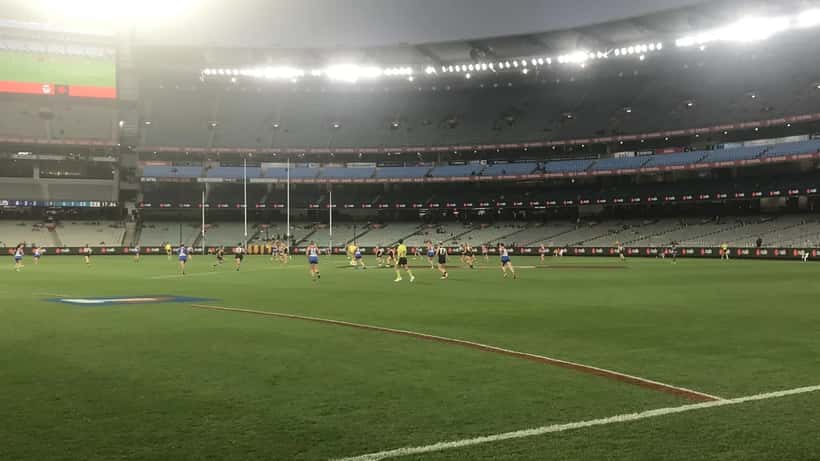
The Western Bulldogs and Adelaide Crows clash at Marvel Stadium on 11 June 2026 in AFL Round 14, with kick-off at 7:30pm AEST. Both clubs are in contention for finals spots, making it one of the week's most-watched games. But as fans settle in — at the ground or in front of screens — Australia's gambling crisis is playing out in the background, shaped by landmark reforms the Albanese government introduced in April 2026.
What Changed in April 2026
Prime Minister Albanese's gambling advertising restrictions represent the first meaningful legislative intervention in the relationship between Australian sport and the betting industry. The reforms took effect from April 2026 and introduced the following requirements:
- Gambling advertisements are banned inside sports venues and cannot appear on players' jerseys
- Betting ads cannot be broadcast during live sport between 6am and 8:30pm on free-to-air and streaming services
- Betting companies are limited to a maximum of three television advertisements per hour
For AFL fans attending games like Bulldogs vs Adelaide at Marvel Stadium, the practical effect is a reduction in the betting messages that have saturated Australian sports venues. For decades, boundary fences, scoreboard advertising, and halftime content have been dominated by wagering promotions. The April 2026 rules mark a legal shift in what clubs are permitted to display.
The AFL has long held substantial commercial agreements with betting companies — arrangements that generated significant revenue but contributed to what public health researchers have called "a tsunami of gambling exposure" for children and teenagers attending games.
The Scale of Problem Gambling in Australia
The new rules exist because the harm is real and well-documented. According to the Australian Institute of Health and Welfare (AIHW), gambling in Australia sits at the following levels:
- Approximately 80,000 to 160,000 Australian adults (0.5–1.0% of the population) are experiencing significant problems from gambling
- A further 250,000 to 350,000 adults are at moderate risk
- 73% of Australian adults gambled at least once in the past 12 months
- Nearly 38% gambled at least weekly
- Total gambling losses (net) in 2022–23 reached $31.5 billion — the highest in two decades
- Almost half (46%) of all gamblers were classified as being at some risk of harm
Sports betting — predominantly on AFL, NRL, and cricket — is among the fastest-growing gambling categories in Australia, particularly through online platforms accessible from smartphones. The AFL's combination of frequent broadcast matches and historical saturation advertising has been identified in multiple research reviews as a direct driver of normalised gambling behaviour among sports fans.
What the New Laws Mean for Fans and Families
The April 2026 reforms are a legal baseline — a floor, not a ceiling. They restrict advertising but do not regulate the underlying betting products themselves, and they do not prevent adults from gambling. What they change is the environment:
- Children attending AFL games at Marvel Stadium and other venues will no longer be exposed to betting promotions embedded in the match-day experience
- Schools and sporting clubs using broadcast AFL content in the 6am–8:30pm window will see fewer betting interruptions
- Parents can now take legal action through the Australian Communications and Media Authority (ACMA) if broadcasters or venues breach the advertising restrictions
For fans experiencing gambling-related harm, the legal landscape includes additional protections. Online wagering operators licensed in Australia are required under the Interactive Gambling Act 2001 (Cth) to offer self-exclusion options, cooling-off periods, and responsible gambling messaging. If a licensed operator has failed to honour self-exclusion or has continued marketing to a registered problem gambler, legal advice may be appropriate.
As gambling reform advocate Senator David Pocock has argued publicly, the April 2026 measures, while meaningful, leave significant gaps — particularly around online advertising outside broadcast windows.
When to Get Legal Advice
Gambling harm has legal dimensions that are often overlooked:
- Debt from gambling: Credit cards used to fund gambling are enforceable debts, but there are consumer protections against predatory lending to known problem gamblers. A lawyer can assess whether a financial institution has breached responsible lending obligations
- Self-exclusion breaches: If a wagering operator violated a self-exclusion agreement and continued to accept bets, the affected person may have grounds for compensation
- Workplace or financial consequences: Gambling-related financial difficulty can intersect with employment, family law, and insolvency issues — situations where legal advice is essential
ExpertZoom connects Australians with qualified legal professionals experienced in consumer rights, gambling harm, and financial law, available for confidential online consultations.
Tonight's match at Marvel Stadium is a fixture most fans will watch cleanly, as sport intended. But for the fraction dealing with gambling harm in the background, Australia's 2026 reforms — and the legal rights that exist alongside them — deserve to be better understood.
Disclaimer: This article provides general legal information only. For personalised legal advice, consult a qualified lawyer. If gambling is causing harm, contact the National Gambling Helpline on 1800 858 858.
