 Emie Wang
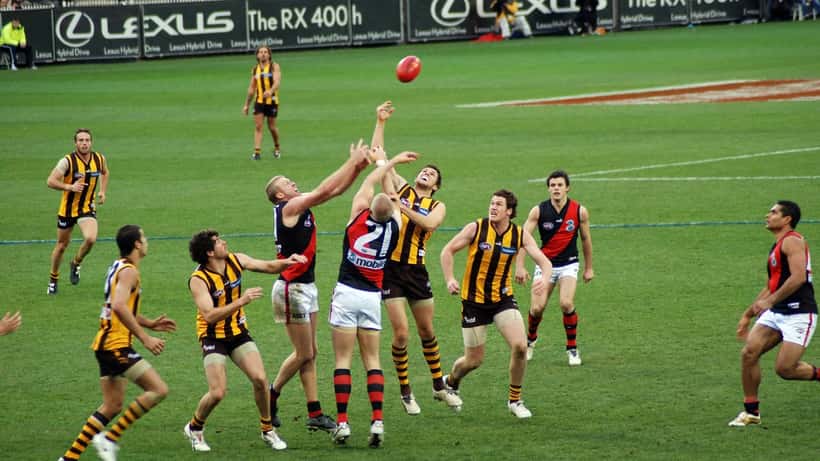
When Western Bulldogs and Melbourne Demons run out at Marvel Stadium for AFL Round 11 on 24 May 2026, the collision that follows will be watched by millions. But off the field, a critical legal reality about AFL player injuries goes largely unnoticed — and it may surprise even the most dedicated footy fans.
The AFL's Updated Concussion Guidelines Are Stricter Than Ever in 2026
In May 2026, the AFL released updated concussion management guidelines applying across all levels of the game outside AFL and AFLW competition. The revisions reflect new evidence about the long-term effects of head trauma in contact sports, and they introduce tighter timelines for community footballers.
Under the current framework:
- AFL and AFLW players: A mandatory minimum 12-day return-to-play protocol applies after any concussive event
- Community football players: The updated guidelines extend the minimum recovery window to 21 days before any return to play is permitted
These changes — outlined on the AFL's official concussion guidance page — align Australian football with growing international consensus that even sub-concussive impacts carry meaningful cumulative risks.
For a team like the Western Bulldogs, which has won just five of its first ten games and is under pressure to turn around their 2026 season, the temptation to hurry recovering players back before they are medically ready is real. The question is: what happens legally if something goes wrong?
The Workers' Compensation Gap Most Fans Don't Know About
Here is a fact that surprises many Australians: most AFL players are not covered by standard state and territory workers' compensation schemes.
Exemptions were introduced in the 1970s when professional sport was first commercialised. At the time, sporting leagues lobbied governments on the basis that clubs could not afford workers' compensation premiums for highly-paid athletes. Those exemptions largely remain in place today across most Australian states and territories.
This creates a significant protection gap. An AFL player who suffers a career-ending head injury cannot simply file a WorkCover claim the way a nurse, teacher or construction worker could after being hurt on the job. Parliamentary inquiry reports into head trauma in sport have flagged this disparity as an urgent reform issue.
Instead, an injured AFL player who wants compensation must demonstrate employer negligence — a far more demanding legal standard that requires proving the club failed in its duty of care.
What 'Duty of Care' Actually Means in an AFL Context
Even without standard workers' compensation cover, AFL clubs are bound by obligations under the Work Health and Safety Act 2011 (Cth) and applicable state legislation. These laws require clubs to eliminate or minimise risks to player safety so far as is reasonably practicable.
In the context of concussion, this means:
- Qualified medical staff must be present and able to conduct proper sideline assessments
- The AFL's concussion management protocol must be followed without commercial pressure influencing medical decisions
- Clubs must not direct or pressure players to return before receiving medical clearance
- All head injury events must be documented and communicated transparently to the affected player
If a club fails to meet these standards and a player suffers greater harm as a result, they may have grounds to bring a civil negligence claim separate from the workers' compensation system. To succeed, they would need to show the club knew or should have known the player was unfit to continue, and that this failure directly caused their injury.
Australian courts have increasingly recognised these claims as medical science develops stronger evidence linking on-field incidents to long-term neurological conditions.
Earlier in 2026: Carlton's Case Set a Precedent
The pressure on clubs to take their duty of care seriously is not theoretical. Earlier in the 2026 AFL season, the Carlton Football Club faced scrutiny over its obligations after an incident involving Elijah Holland highlighted the legal exposure clubs carry when player welfare decisions go wrong. The case reinforced that AFL clubs — regardless of standings or financial pressure — are accountable under Australian law.
Similarly, an AFL Round 6 injury case examined what players are legally entitled to when injured on the field, showing this is a pattern of growing legal scrutiny across the competition.
The Bulldogs, facing Melbourne at Marvel Stadium today, will be managing at least some players through injury uncertainty as they push to revive their flagging season.
What Players and Parents Should Know Right Now
The concussion risk in AFL is not limited to professional ranks. Parents of under-18 players in community competitions need to understand that clubs at every level owe a duty of care to their athletes.
If your child suffers a head knock and is returned to play before the mandatory 21-day window, that may constitute a breach of duty. Documentation is critical: always ensure any head injury is formally recorded by the club's medical officer or first aid staff and that the player receives an independent medical assessment — not only the club's on-field assessment.
For former professional players experiencing symptoms such as memory difficulties, depression, mood changes or cognitive decline after their playing days, legal options may still exist. Australian courts have recognised long-latency claims where medical evidence can connect past employment conditions to present health conditions, even years after the fact.
When to Get Legal Advice
Whether you are an active AFL player, a parent of a junior footballer, or a former professional noticing changes in your health, the practical steps are the same:
- Document the injury from the moment it occurs — dates, circumstances, club responses
- Seek independent medical assessment outside the club structure
- Act before time limits expire: personal injury claims in most Australian states have limitation periods typically measured in years from the date of injury or discovery
- Consult a personal injury or employment lawyer with experience in sporting injury cases — an initial consultation is often free
The AFL's strengthened 2026 guidelines are a meaningful step forward for player protection at all levels. But guidelines alone cannot guarantee that every club follows them under the heat of a close final-quarter lead. Legal accountability remains the essential backstop for athletes who need more than a protocol on paper.
This article provides general legal information only and does not constitute legal advice. For advice about your specific situation, consult a qualified legal professional.
