 Sarah Thompson
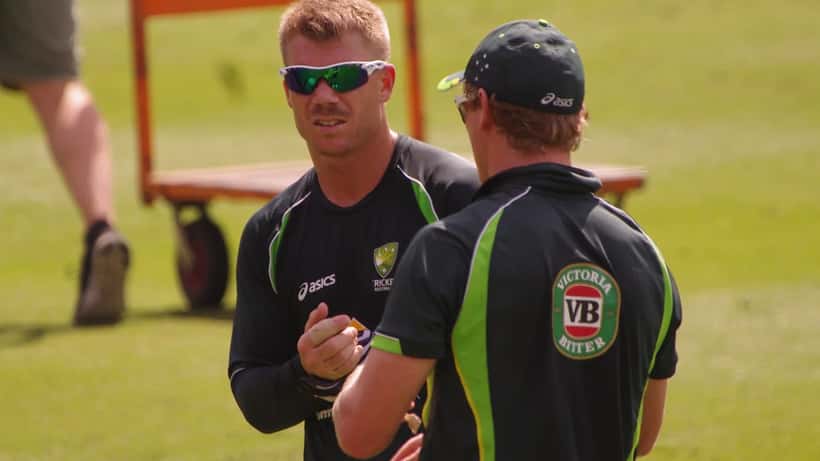
Former Australian cricket captain David Warner was charged with mid-range drink-driving on Saturday, 5 April 2026, after being stopped at a random breath test checkpoint on South Dowling Street, Maroubra, Sydney, at approximately 11:20 pm. Warner, 39, returned a blood alcohol reading of 0.104 — more than double the legal limit of 0.05 — and is due to appear at Downing Centre Local Court on 7 May 2026.
Warner, who captains the Sydney Thunder in the Big Bash League and was recently playing for the Karachi Kings in the Pakistan Super League, consumed three glasses of wine before driving. Cricket NSW said it "takes incidents of this nature very seriously" and confirmed it would provide further education on safe driving in partnership with Transport for NSW.
The incident has prompted widespread conversation about drink-driving consequences in Australia — and what a mid-range DUI charge actually means in NSW courts.
What Is a Mid-Range DUI Charge?
In New South Wales, prescribed concentration of alcohol (PCA) offences are divided into three bands based on blood alcohol concentration (BAC):
- Low range: 0.05–0.079
- Mid range: 0.08–0.149
- High range: 0.15 and above
Warner's reading of 0.104 falls squarely in the mid-range category. This is not a minor infringement — it carries significant legal consequences under NSW road transport law.
What Penalties Can Warner Face?
Under NSW road transport law, mid-range PCA penalties for a first offence (assuming no prior history) include:
- Maximum fine: $2,200 AUD
- Maximum imprisonment: 9 months
- Immediate licence suspension at time of charge
- Automatic disqualification: 6 months (minimum 3 months if the court exercises discretion)
- Mandatory interlock program: 1 year following licence restoration
The interlock requirement — added to NSW law in 2015 and updated in recent years — means Warner, if convicted, would need to install an alcohol interlock device in his vehicle. The device requires a breath test before the car will start, and any failed test is logged and reported.
For a first offence, imprisonment is rarely imposed, but is available to the court where aggravating circumstances exist. Courts consider factors such as the level of traffic, time of night, and whether the offender showed remorse or sought legal advice before appearing.
The Real-World Consequences Beyond the Courtroom
The financial and legal penalties are only part of the picture. A mid-range DUI conviction in NSW carries lasting practical consequences:
Insurance: A DUI conviction must be disclosed to vehicle insurers. Premiums typically increase significantly, and some insurers may refuse coverage for a period following conviction.
Employment: Many employers — particularly in transport, aviation, or any role requiring a driver's licence — treat a DUI conviction as a disqualifying offence. For public figures like Warner, reputational damage extends well beyond employment.
Travel: A DUI conviction is a criminal record in Australia. Some countries, including the United States and Canada, can deny entry to individuals with drink-driving convictions. This is particularly significant for Australian cricketers who travel internationally.
The Interlock Impact: Interlock devices are costly (installation, monthly rental, and maintenance fees add up), inconvenient, and visible to passengers. While designed as a rehabilitation measure, they are experienced by many as an ongoing social penalty.
Why Random Breath Testing Works — and Why It Catches Everyone
Warner's arrest at a random breath test (RBT) checkpoint illustrates a key point: drink-driving in Australia is not caught primarily by bad driving. Police don't need to observe erratic behaviour or an accident to test a driver. RBT checkpoints operate throughout NSW at all hours, and drivers are selected at random — regardless of how the vehicle is being operated.
The NSW Police operate thousands of RBT stations per year, testing hundreds of thousands of drivers. According to the Australian Bureau of Statistics recorded crime offenders data, road transport offences remain among the most common criminal matters processed through Australian courts, with drink-driving among the top categories.
Three glasses of wine — Warner's stated consumption — is enough to push many adults well over the 0.05 limit, depending on weight, gender, food intake, and timing. The common belief that "a few drinks" is safe to drive on is one of the most dangerous misconceptions on Australian roads.
What to Do If You're Charged With Drink-Driving
If you are charged with a PCA offence in NSW or any Australian state, the most important step is to seek legal advice before your court date. A traffic law solicitor can assess:
- Whether the breath test was conducted correctly (equipment calibration, procedure compliance)
- Whether a Section 10 order — which can result in conviction without a licence disqualification — might be available given your circumstances
- How to present mitigating factors effectively to reduce the mandatory minimum disqualification
- Whether character references and a genuine traffic offender program will help your case
Most traffic law matters can be resolved efficiently with proper legal representation. The difference between appearing unrepresented and having an experienced traffic solicitor can be significant — particularly for professionals whose livelihood depends on their licence or reputation.
Disclaimer: This article provides general information about drink-driving laws in New South Wales. It does not constitute legal advice. For advice specific to your situation, consult a qualified Australian lawyer.
