 Liam Campbell
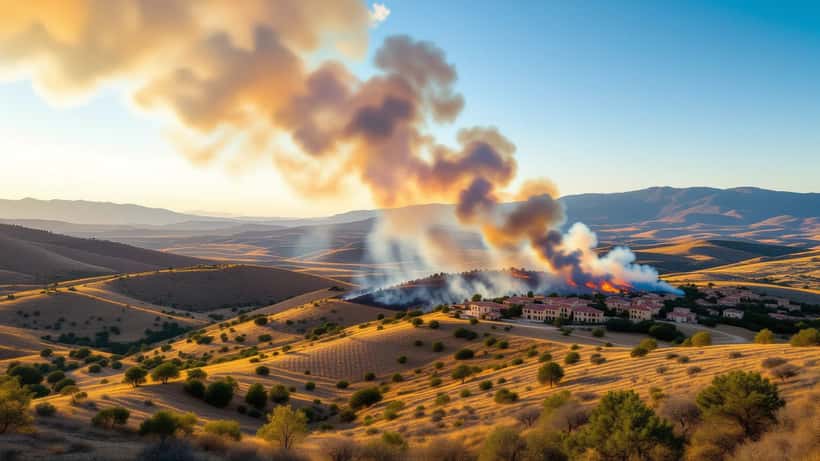
In early July 2026, fast-moving wildfires across parts of Spain have put thousands of homes at risk and triggered a wave of questions from property owners, holidaymakers and expats about insurance cover and claims. For Australians with property, family or travel plans in Spain, the emergency is a sharp reminder that a bushfire overseas can create financial stress just as easily as one at home. Understanding how to file a home or travel insurance claim after the Spain wildfires of 2026 can save time, reduce stress and help families recover faster.
Spain’s 2026 fire season has already burned tens of thousands of hectares in regions such as Valencia, Andalusia and Catalonia, driven by record temperatures and dry winds. While local authorities focus on evacuation and containment, insurance experts say the next phase—claims and recovery—can be just as complex, especially for policyholders outside the country. The good news is that most standard home buildings and contents policies cover fire damage, and many comprehensive travel policies include trip disruption and evacuation benefits. The challenge is knowing what documentation is required, who to contact first and how to avoid common delays.
Check your cover before you claim
The first step after any wildfire is to confirm that your policy is active and that the specific peril is included. For Australian-owned Spanish property, this usually means a Spanish home insurance policy issued by a local or international insurer. Policies typically separate buildings cover, which protects the physical structure, from contents cover, which protects furniture, appliances and personal belongings. If you are a tenant or a landlord, the responsible party and the policy in force may differ.
Travel insurance works differently. Most comprehensive policies cover cancellation, curtailment and additional accommodation expenses if a natural disaster such as a wildfire makes a destination uninhabitable or forces evacuation. However, cover usually starts only if the policy was purchased before the disaster became a known event. Once wildfires are widely reported in the media, insurers may treat them as foreseeable, which can limit new claims for trips already booked. If you are already in Spain, emergency medical and repatriation cover generally continues, but check the event-specific limits in your product disclosure statement.
Act quickly and document everything
Insurance experts recommend contacting your insurer or broker as soon as it is safe to do so. Many insurers operate 24-hour emergency lines and can arrange temporary accommodation, emergency repairs and loss-assessor inspections. If you are outside Spain, a local property manager, neighbour or loss assessor can act on your behalf, provided you give written authority.
Documentation is the key to a smooth claim. Photograph and video all damage before any clean-up begins, and keep a running list of destroyed or damaged items with approximate purchase dates and values. Save receipts for emergency purchases such as clothing, toiletries and temporary lodging, because most policies will reimburse reasonable additional living expenses. Official reports from Spanish emergency services, local police or the Consorcio de Compensación de Seguros can also strengthen your claim, especially if the fire was declared a catastrophe.
Watch for common pitfalls
One of the most frequent mistakes after a major fire is disposing of damaged property before an assessor has inspected it. Insurers may reduce or deny a contents claim if they cannot verify what was lost. Another common issue is underinsurance: if the sum insured for buildings or contents is lower than the actual replacement cost, the claim may be scaled down under the average clause. Reviewing your policy limits now, even if your property was not affected, can prevent a nasty surprise later.
For Australian travellers, a related trap is assuming that a standard policy automatically covers wildfire disruption. Some cheaper policies exclude natural disasters or impose sub-limits for accommodation and cancellation. Reading the fine print, or asking an insurance broker to compare options, is worthwhile. The same principle applies at home: understanding your wildfire insurance rights after a home loss can make a real difference when emotions are running high.
When to bring in an expert
Wildfire claims can become complicated when multiple policies overlap, when the cause of damage is disputed, or when a claim is partially denied. An independent loss assessor, insurance lawyer or licensed broker can review your policy, quantify the damage and negotiate with the insurer on your behalf. In Spain, loss adjusters known as peritos de seguros can prepare technical reports that carry significant weight in disputed claims.
For Australians unfamiliar with the Spanish insurance system, an expert with cross-border experience can also help coordinate claims across Australian travel insurance, Spanish home insurance and any mortgage-lender requirements. This is particularly important if the property is mortgaged, because the lender may need to approve settlement payments or release funds for repairs. The cost of professional advice is often recoverable, either as a claims-handling expense or simply through a higher settlement offer.
Protecting property before the next event
Prevention is the cheapest form of insurance. Property owners in fire-prone parts of Spain can reduce risk by clearing vegetation near buildings, installing ember-resistant screens, maintaining gutters and using non-combustible roofing materials. Many insurers now offer premium discounts or improved terms for homes that meet modern bushfire construction standards. The principles are similar in Australia, where home fire-safety assessments have become a routine part of bushfire preparation.
Travellers can also reduce exposure by monitoring emergency warnings from Spain’s Protección Civil and the Australian government's Smartraveller service. Booking flexible accommodation and flights, and purchasing travel insurance at the time of booking rather than at departure, gives the widest cover if a natural disaster disrupts plans.
What happens next
As the 2026 Spain wildfires continue to burn, claims teams are likely to be stretched for weeks or months. Early notification, complete documentation and professional advice are the three factors that most often separate a fast settlement from a prolonged dispute. Whether you own a villa near the Costa Blanca, rent an apartment in Madrid or have a holiday planned for the Spanish mainland, the same rule applies: understand your policy now, act quickly after loss, and do not hesitate to ask an expert when the stakes are high.
