 Olivia Taylor
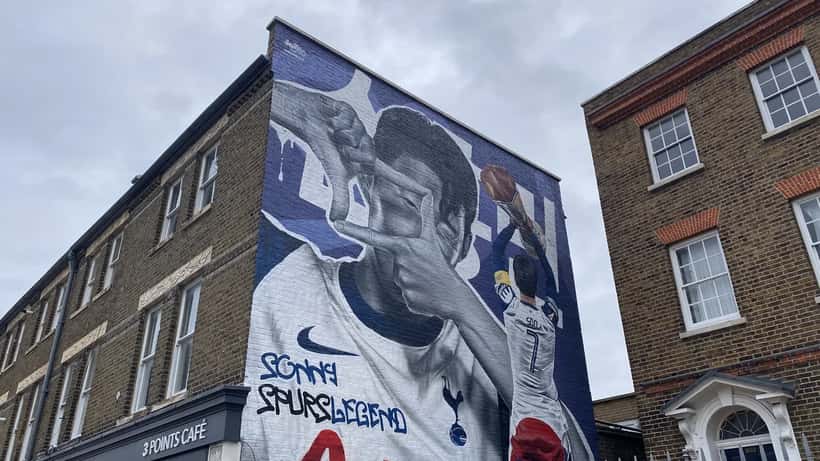
Son Heung-min stepped onto the pitch in Guadalajara on 11 June 2026, becoming only the 12th outfield player in history to appear at four FIFA World Cups — and at 33, he did so as captain of South Korea, contributing directly to his team's opening campaign against the Czech Republic. His performance has reignited a global conversation: how do elite athletes maintain peak physical output well into their thirties?
Why 33 Is the New Athletic Prime
The traditional sports science assumption was that athletic performance peaks in the late twenties and declines steadily thereafter. Research affiliated with the Australian Institute of Sport has documented a different picture over recent decades. Recovery technologies, personalised nutrition, and precision training load management have pushed the effective peak of elite sport firmly into the early-to-mid thirties for many disciplines.
According to Sports Medicine Australia, adults engaged in regular sport should undergo a professional movement screening and health assessment at least every two years — a protocol Son has reportedly maintained throughout his career. The organisation notes that musculoskeletal injuries are the single leading cause of sporting retirement, and most are preventable with structured monitoring.
For a footballer competing at international level at 33, every session is managed against fatigue data, sleep quality metrics, and recovery biomarkers. That level of personalised oversight is increasingly accessible to ordinary Australians too — not just professionals.
The Science Behind Son Heung-Min's Longevity
Son has been consistent about the fundamentals underpinning his continued excellence: "Sleep well, eat well and do what you need," he said in the build-up to the World Cup. It sounds deceptively simple, but each element is grounded in physiology.
Sleep is now the most evidence-backed recovery variable in elite sport. Research published in the British Journal of Sports Medicine found that athletes sleeping eight or more hours per night sustained a significantly lower rate of acute soft tissue injury compared with those sleeping fewer than six hours. For Son, who relocated from Tottenham Hotspur to Los Angeles FC ahead of the 2026 MLS season, managing the Pacific time zone shift required a professional-grade circadian adaptation protocol.
His training foundations are also unusual. Son's father, Son Woong-jung — a former professional footballer — drilled extreme endurance and technical repetition into his son from a very early age. That early specialised regime built the neuromuscular foundations that now allow him to sustain 90-minute elite-level performances at an age when most footballers have retired or significantly declined.
Nutritionally, Son has emphasised whole foods and controlled energy periodisation — eating more on high-intensity training days and scaling back on rest days. This cyclical approach aligns with Australian sports dietitian guidelines for athletes in their thirties, where muscle mass preservation becomes an explicit goal rather than a byproduct.
What Aging Athletes in Australia Need to Know
Son is an extreme case, but the physiological principles that keep him performing apply to every active Australian — from masters-level club players to weekend warriors targeting their first half-marathon.
The body signals that warrant professional assessment, rather than simple rest, include:
- Persistent fatigue lasting more than 72 hours after moderate exercise, which may indicate overtraining syndrome or iron deficiency — both diagnosable with standard blood panels
- Recurring soft tissue injury in the same anatomical region, suggesting a biomechanical imbalance that rest alone cannot correct
- Declining performance despite consistent training volume, a classic marker of central nervous system overload that responds poorly to simply pushing harder
Sports and Exercise Medicine is a recognised specialty under the Australian Medical Association. Accredited practitioners can conduct VO2 max assessments, body composition analysis, and individualised periodisation planning — the same services that underpin Son's longevity, calibrated for a recreational athlete's context.
The Hidden Cost of Ignoring the Warning Signs
Many recreational athletes treat rest as weakness. The physiology consistently tells a different story. Son recorded nine assists in 13 MLS appearances before the World Cup — while playing in a deeper, less physically demanding tactical role. That intelligent adaptation, choosing output efficiency over raw intensity, is a deliberate response to the body's changing signals at 33.
Overtraining syndrome, which affects an estimated 10–30 per cent of elite athletes at some point in their careers, is largely preventable with appropriate monitoring. In amateur sport, it routinely goes undiagnosed because athletes manage their own training loads without expert oversight. The result is cumulative physical breakdown that sidelines people for months rather than the days a well-timed de-load week would have cost.
For athletes over 35, the stakes intensify. Bone density, cartilage resilience, and hormonal recovery responses all shift in ways that require active professional management — not the same programme that worked at 28. Seeking expert guidance is not a concession to ageing. It is the same investment Son Heung-min makes every single week.
When to Book a Sports Medicine Consultation
You do not need to be preparing for a World Cup to benefit from a sports medicine assessment. If you are an active Australian and any of the following apply, a professional evaluation is warranted:
- Musculoskeletal pain that persists beyond two weeks of standard management
- Return to sport after an injury absence of more than four weeks
- Planning a significant athletic goal — a marathon, a cycling century, a full football season — after the age of 40 for the first time
- Chronic fatigue or mood changes associated with a heavy training block
Sports medicine practitioners can be accessed through GP referrals or directly booked via ExpertZoom's Health specialists, where verified Sports and Exercise Medicine physicians are matched to your location and budget.
Son Heung-min's fourth World Cup is not a coincidence or pure genetics — it is the cumulative result of making expert support a non-negotiable part of life as an athlete. Australian athletes who do the same can extend their active years far beyond what seemed possible a generation ago. For more on how elite longevity principles apply to everyday athletes, read about Cristiano Ronaldo's fitness and injury recovery approach.
This article is for general informational purposes. Always consult a registered healthcare professional for personalised medical or sports medicine advice.
