 Chloe Anderson
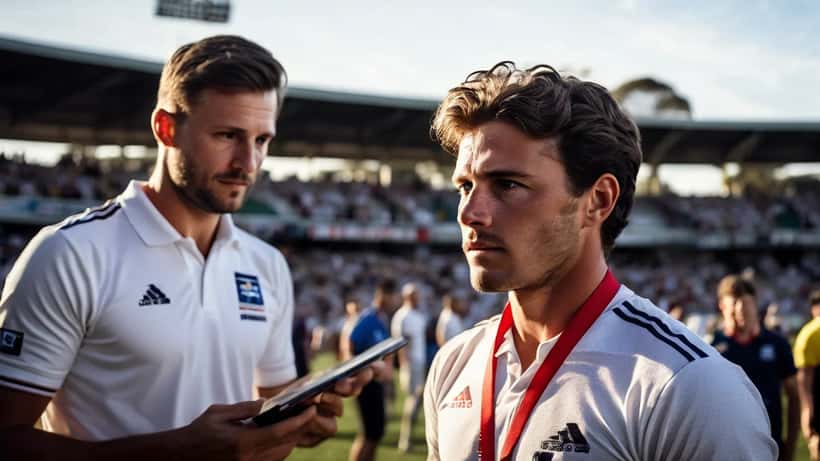
Sam Darcy, the 21-year-old Western Bulldogs star, entered the AFL's concussion protocol in Round 7 of the 2026 season after sustaining a head knock in last weekend's clash — the latest in a string of injury setbacks for the promising ruckman. With Australia's footy fever running high this weekend as Sydney faces GWS Giants, the incident has reignited the national conversation about concussion management in contact sport and what it means for long-term brain health.
What Happened to Sam Darcy — and Why It Matters Beyond AFL
The 21-year-old Western Bulldogs ruckman was placed in the AFL's Head Injury Assessment (HIA) protocol after copping a head knock in Round 6, joining Bailey Dale in sitting out ahead of Saturday's fixture. It is Darcy's latest injury disruption in a 2026 season that already saw him manage hip, groin, and shoulder concerns. While the AFL's concussion management protocols are among the most rigorous in Australian sport, the case has drawn attention from doctors and sports medicine specialists who warn that how a concussion is managed in those first critical days matters enormously.
According to the AFL's own injury management guidelines published on afl.com.au, players must pass a graduated Return to Play (RTP) protocol before they are cleared to train or play — a process that typically spans a minimum of 11 days and includes cognitive, neurological, and physical assessment stages. Darcy must clear all stages before he is available for selection.
The Science Behind Head Knocks: What Doctors Want You to Know
A concussion is a traumatic brain injury caused by a blow, jolt, or bump to the head that temporarily disrupts normal brain function. It does not require a loss of consciousness — in fact, according to the Australian Institute of Health and Welfare, many concussions in sport go unrecognised because symptoms such as headache, brain fog, nausea, and sensitivity to light can be subtle or delayed by hours.
For everyday Australians — not just elite AFL footballers — the key risk is returning to activity too soon. Research published in the British Journal of Sports Medicine found that premature return to sport following concussion increases the risk of a second impact syndrome, a rare but potentially fatal condition where a second head injury occurs before the brain has fully recovered from the first.
"Rest is no longer considered the gold standard," notes Sports Medicine Australia, the peak body for sports medicine in this country. "Active recovery — meaning light, symptom-limited movement — now forms the basis of modern concussion management." A sports medicine doctor can guide both athletes and recreational players through this protocol individually, adjusting based on age, severity of symptoms, and prior concussion history.
Not Just for AFL Players: Concussion in Community Sport
Most concussions in Australia don't happen at the MCG — they happen on suburban ovals, school rugby fields, and local netball courts. According to Sports Medicine Australia, an estimated 28,000 sport-related concussions are treated at Australian hospital emergency departments each year, with children and adolescents disproportionately affected.
Parents and weekend warriors often make one critical mistake: they downplay symptoms and allow a child or themselves to "play through it." This is dangerous. Three signs that require immediate medical attention after any head knock are:
- Repeated vomiting or vomiting more than once after impact
- One pupil larger than the other, which can indicate increased intracranial pressure
- Deteriorating consciousness or inability to recognise familiar people or places
If any of these signs are present, call 000 immediately. For more moderate symptoms — persistent headache, difficulty concentrating, sleep disturbance, irritability lasting more than 24 hours — see your GP or a sports medicine specialist as soon as possible.
The AFL Protocol vs. What Most Australians Actually Do
The AFL's mandatory HIA protocol is thorough: it requires immediate pitch-side assessment, a mandatory 11-day minimum recovery period, and sign-off by an independent medical officer before return. It was strengthened in 2021 following pressure from the AFL Players Association and neurologists concerned about chronic traumatic encephalopathy (CTE), the degenerative brain disease linked to repeated head trauma in contact-sport athletes.
For amateur players, no such mandatory protocol exists. Community sport in Australia relies on the goodwill of coaches, parents, and club medics to enforce rest — and studies show voluntary compliance is low. A 2023 survey by the Concussion Alliance found fewer than 40% of community sport participants followed a formal RTP protocol after a diagnosed concussion.
This is where seeing a medical professional makes a measurable difference. A GP or sports physician can provide:
- An objective neurological assessment and baseline cognitive testing
- A written, individualised RTP plan that satisfies insurer and school requirements
- Referral to a neuropsychologist if symptoms persist beyond 10–14 days (post-concussion syndrome affects roughly 15% of cases)
- Documentation for WorkCover or sport insurance claims
When Should You See a Doctor After a Head Knock?
The short answer: sooner than you think. A doctor should assess any head knock that results in confusion, memory gaps (even brief), or any loss of consciousness — no matter how momentary. The "shake it off and keep playing" mentality costs Australians dearly, both in prolonged recovery times and in downstream neurological risk.
Sam Darcy's team has the best medical minds in Australian football managing his recovery. For the rest of us, an experienced GP or sports medicine specialist is the equivalent safety net — and consultations are covered by Medicare for eligible patients.
If you or someone in your family has recently experienced a head knock in sport or daily life, speaking with a qualified health professional is the smartest first step. Expert Zoom connects Australians with experienced doctors and specialists who can provide timely, informed advice on concussion management and return-to-activity planning.
Disclaimer: This article is for general informational purposes only and does not constitute medical advice. Always consult a qualified medical professional for diagnosis and treatment of a head injury.
