 Olivia Miller
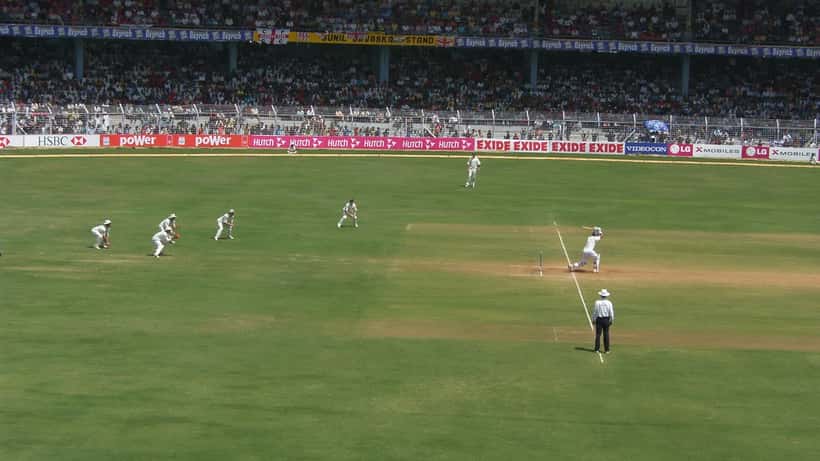
Royal Challengers Bengaluru blasted 240/4 at Wankhede Stadium on 12 April 2026, crushing Mumbai Indians in the 20th match of IPL 2026. But the standout moment was not Phil Salt's blistering 78 not out or Virat Kohli's partnership — it was Mumbai captain Rohit Sharma limping from the field with a hamstring injury mid-chase, leaving his side needing 94 runs in 30 balls with six wickets standing.
What Happened in Match 20
RCB posted an imposing 240/4 with Phil Salt (78 off 58 balls) and Virat Kohli combining for a 120-run partnership that set the tone. Rajat Patidar added a rapid half-century with five sixes. Mumbai Indians' chase never truly threatened: Ryan Rickelton made 36 off 19 balls in the powerplay, but Rohit Sharma's hamstring forced his withdrawal from the chase, and the collapse was swift.
The match result mattered — but Rohit's hamstring mattered just as much to millions of Australians watching who play cricket themselves every weekend.
The Most Common Cricket Injuries (and Why They're Relevant to Weekend Players)
Elite cricketers and weekend club players share many of the same injury risks. The biomechanics of bowling, throwing, and sprinting between wickets place the same stress on the same body parts — regardless of whether you're playing at the Wankhede or on your local oval in Penrith.
Hamstring injuries are among the most common in cricket at every level. Explosive acceleration — whether sprinting for a single, diving in the field, or charging in to bowl — places significant eccentric loading on the hamstrings. Rohit Sharma's mid-match withdrawal on 12 April 2026 is a high-profile example of what weekend players experience regularly, often with less access to immediate medical assessment.
Lower back strain is the most prevalent injury in pace bowlers. The repetitive spinal rotation and extension required during delivery creates cumulative loading that, without proper conditioning and load management, leads to stress fractures and chronic pain. According to research published in PubMed, bowlers who experience sudden spikes in workload — such as playing twice in a weekend after weeks off — face significantly elevated injury risk.
Shoulder injuries affect fast bowlers and fielders who make repetitive overhead throws. Posterior shoulder muscle strain builds over a season and often goes ignored until the pain becomes too severe to continue playing. By that point, recovery timelines are significantly longer than if the issue had been addressed early.
Knee and ankle injuries arise from rapid direction changes in the field and high-impact landing when batting. Inadequate footwear, hard outfield surfaces, and inadequate warm-up are the most common contributing factors for recreational players.
Groin and adductor strains develop from the wide batting stance and lateral movements required in the field. Australia's own T20 World Cup 2026 preparations were disrupted by multiple hamstring and groin injuries across the squad, according to coverage by ICC Official in early 2026 — confirming these risks exist at every level of the game.
What Sports Medicine Australia Says
Sports Medicine Australia recommends a structured approach to cricket injury prevention that recreational players can apply directly:
- Pre-season conditioning — eccentric strengthening exercises for hamstrings, trunk extensor endurance training, and dynamic neuromuscular control drills significantly reduce injury rates in both elite and amateur players
- Load management — avoid bowling volume spikes after extended breaks; gradually increase to match intensity over several weeks
- Warm-up and cool-down — 10-15 minutes of dynamic movement before play and 5-10 minutes of stretching after is non-negotiable
- Protective equipment — helmets, pads, and properly fitting cricket shoes reduce both acute and overuse injuries
When Australian Cricket Players Should See a Doctor
Many weekend cricketers walk off with injuries they dismiss as "soreness" and fail to address. This is often where short-term pain becomes a long-term problem. A sports medicine specialist or general practitioner should be consulted when:
- Pain persists beyond three to five days after the match
- There is swelling, bruising, or reduced range of movement
- Pain affects sleep or daily activities beyond sport
- An injury recurs season after season
- There is acute sharp pain during play (stop immediately — do not play through)
Modern sports medicine now includes advanced treatment options such as platelet-rich plasma (PRP) injections and targeted physiotherapy programmes that return recreational cricketers to play faster than traditional rest-and-recover approaches.
Expert Help for Australian Cricket Players
Australia has a strong tradition of community cricket — the game is one of the most popular recreational sports in the country. But participation comes with injury risk that is often underestimated by players who associate serious injuries only with elite competition.
If you or a club teammate is dealing with a persistent cricket injury, Expert Zoom connects Australians with qualified doctors and sports medicine specialists who can assess your condition and recommend a treatment plan tailored to your activity level. A professional assessment is the most reliable path back to the game you love.
Disclaimer: This article provides general health information only. It does not constitute medical advice. Consult a qualified Australian health professional for assessment of any injury or condition.
