 Emily Turner
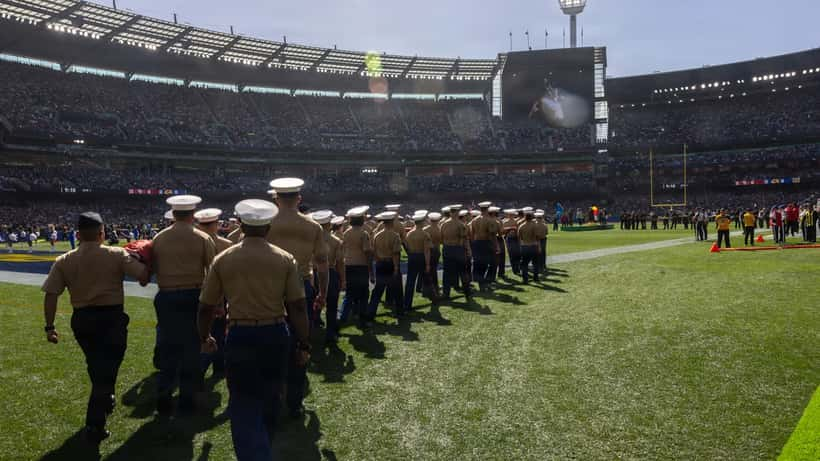
On 11 September 2026, 53,000 fans packed Marvel Stadium to watch the Los Angeles Rams defeat the San Francisco 49ers — the first NFL regular-season game ever played in Australia. The roar carried into suburban living rooms streaming on Netflix, and across the country a new generation of Australian kids discovered the spectacle of American football. What many didn't know: a landmark BMJ study published on 26 August found that at least one in four former NFL players who died between 2016 and 2021 had CTE — chronic traumatic encephalopathy. The timing is striking. Australia has never had a bigger NFL moment, and the science has never been more confronting.
What the August 2026 BMJ Study Actually Found
The study drew on brain donations from former NFL players who died over a five-year window and found CTE in at least 25 per cent of those examined. Depending on methodological assumptions — including players whose brains showed early-stage or borderline pathology — that proportion rises as high as 91 per cent, the research team noted. CTE is a degenerative brain condition that can only be definitively confirmed after death. Its hallmarks are deposits of abnormal tau protein that accumulate over years of repeated head trauma. This includes not just concussions, but the hundreds of smaller subconcussive impacts that occur in every full-contact training session.
Critically, the researchers found that the bulk of the damaging impacts didn't occur at the elite NFL level at all. They accumulated during youth football, high school, and college play — stages where helmets are lighter, rules less protective, and medical oversight thinner. That finding has direct relevance for Australia, where the Melbourne game has just made American football feel aspirational to a new generation of young athletes.
The Melbourne Game and Australia's Gridiron Boom
The NFL's Melbourne event drew 21.7 million viewers worldwide, with Netflix reporting 18.5 million US viewers alone — the most-watched NFL game ever in Australia, according to Netflix. Channel Seven's supplementary coverage extended the reach further. The NFL Kickoff Festival at Melbourne Park ran from 10 to 12 September, attracting tens of thousands of visitors to interactive experiences, flag football clinics, and player appearances.
Two Australians on active NFL rosters have made the sport feel achievable. Jordan Mailata, the Western Sydney-raised offensive lineman with the Philadelphia Eagles, and Luke Felix-Fualalo are tangible proof that Australian athletes can compete at the world's highest gridiron level. Junior Gridiron clubs across Victoria, New South Wales, and Queensland reported enquiry spikes in the weeks following the game. Coaches are welcoming it. Parents are less certain what to make of it.
Australia Already Has Its Own CTE Reckoning
The conversation about brain injury in sport is not new to Australia — it has been building inside AFL circles for several years. A former West Coast Eagles player was diagnosed with CTE in 2026, the latest in a string of post-mortem diagnoses that prompted an AFL class-action lawsuit, which expanded in scope over the same year. The AFL concussion class action raises fundamental questions about the duty of care owed to players who sustained repeated head trauma over long careers.
Rugby league and rugby union face the same reckoning internationally. The emerging scientific picture — that cumulative subconcussive impact, not single catastrophic events, drives CTE pathology — means every contact sport that allows full-body tackling carries some version of this risk. American football, with its helmet-to-helmet collisions and larger-bodied athletes, sits at the higher end of that spectrum.
What Health Specialists Can Assess Right Now
CTE cannot be detected in a living patient with current technology. But the symptoms it produces — memory loss, depression, impulsive behaviour, difficulty concentrating, mood volatility, and in severe cases early-onset dementia — are recognisable by qualified specialists, and risk factors can be mapped and managed. The challenge is that many former contact sport players in their 30s and 40s dismiss early cognitive and mood symptoms as normal ageing or work stress. They rarely consider a potential link to their sporting history.
A sports medicine physician or neurologist can take a comprehensive head trauma history, conduct standardised cognitive screening, and order neuroimaging where appropriate. They can then build a management plan tailored to the individual's symptom profile. This doesn't produce a CTE diagnosis — that remains impossible in the living — but it does provide a clinical baseline and a framework for monitoring change over time. Sports medicine practitioners experienced in contact-sport brain health increasingly recommend that all athletes who play full-contact sport for more than three consecutive seasons consider a cognitive baseline assessment before symptoms appear.
If Your Child Wants to Play After Melbourne — A Concrete Scenario
Consider a family in Melbourne's inner west. Their 13-year-old son — call him Liam — watched the Rams–49ers game on Netflix on the night of 11 September and asked to sign up for the local junior Gridiron club, which runs full-contact sessions from Under-14s. Training begins in late October. His parents are broadly supportive of sport but want to understand what they're agreeing to.
By the time Liam reaches 18 — playing through junior Gridiron and potentially transitioning to a senior club — he will have accumulated at least five years of full-contact training and games. The 2026 BMJ study's most significant finding is that the number of years of contact sport, not the number of recorded concussions, is the strongest predictor of CTE pathology. Research from Boston University's CTE Centre suggests that each year of contact sport before age 18 carries an incremental increase in risk. This is a developmental window when the adolescent brain is still maturing and most susceptible to repeated trauma.
This doesn't mean Liam should be kept from sport. A single season carries a very different risk profile from a fifteen-year career. But it does mean his parents should consult a sports medicine physician before October enrolment — not after the first recorded concussion. At that consultation, the doctor can establish a cognitive baseline using validated tools such as CogSport or ImPACT, discuss appropriate training loads and contact limits for the Under-14s group, and lay out clear return-to-play protocols if a concussion occurs.
In Australia, a GP referral to a sports medicine specialist under Medicare costs between $150 and $350 out of pocket after the rebate, depending on the clinic and the level of assessment. That single appointment, made before enrolment rather than after an incident, could shape five years of safer participation.
Recognising the Warning Signs for Former Players
For adult Australians who played contact sport themselves in their teens and 20s, the CTE study lands differently. The question isn't about their children's future risk — it's about their own present symptoms. According to Healthdirect Australia, persistent headaches following a head injury, cognitive changes, and mood disturbance lasting more than a few days all warrant medical assessment.
Common early presentations that warrant professional evaluation include persistent headaches and increased sensitivity to light or noise. Difficulty concentrating across tasks that previously felt routine is another flag. Uncharacteristic irritability, mood swings, or disrupted sleep patterns that have appeared or worsened without obvious cause also deserve attention — particularly in the context of a long contact sport history. For former rugby, AFL, or Gridiron players presenting with these symptoms in their 30s, 40s, or 50s, a GP consultation is the appropriate first step. The GP can refer to a neurologist or sports medicine physician for cognitive screening and a thorough assessment of the patient's head trauma history.
What to Do Now
The Melbourne NFL game was a genuine celebration of sport and a landmark moment for Australian athletics. The science released two weeks earlier is not a reason to ban junior Gridiron or pull kids from rugby league. It is a reason to take brain health as seriously as any other aspect of athletic preparation.
If your child is excited about taking up contact sport after Melbourne, consider a baseline cognitive assessment before the first full-contact session. If you played contact sport for years and are noticing changes in memory, mood, or concentration, speak to your GP and raise your sporting history directly. Expert Zoom connects Australians with health specialists — including sports medicine professionals experienced in brain injury — who can advise on risk assessment, cognitive baseline testing, and appropriate management.
The Melbourne game has already happened. The next question is what Australians do with the science.
This article contains general health information and does not substitute for professional medical advice. If you or someone you know is experiencing symptoms following a head injury, consult a qualified health professional promptly.
