 Chloe Anderson
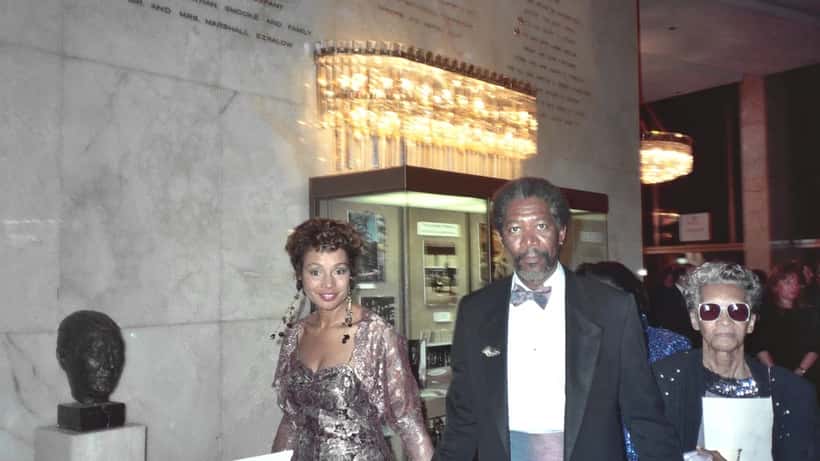
At age 88, Morgan Freeman made a rare public appearance at the Sierra Club's Trail Blazers Ball in Los Angeles in April 2026, arriving sharp in a grey suit and signature aviator glasses. The image circulated widely in Australia — where Freeman has a devoted following — prompting an outpouring of interest in how the Oscar-winning actor continues to present with such evident vitality at an age most Australians associate with residential aged care.
The Visibility of Healthy Ageing
Morgan Freeman at 88 is notable not simply because of his age, but because of how he appears. Engaged, sharp, and physically present in public life, Freeman represents the kind of older person many Australians aspire to become — and that many general practitioners and geriatric specialists say is entirely achievable with the right approach.
Australia's population is ageing rapidly. According to the Australian Institute of Health and Welfare, people aged 65 and over make up approximately 17% of the population, and that proportion is increasing. By 2050, one in four Australians will be 65 or older. The clinical question — how do we age well — has never been more important.
What Geriatric Medicine Tells Us About Staying Active at 80+
The science of healthy ageing has advanced significantly in the past two decades. Specialists in geriatric medicine have largely moved away from the idea that decline is inevitable and predictable, toward a model that emphasises individual variability, preventable decline, and active health management.
The key determinants of physical and cognitive vitality in the 80s, according to geriatric research, include:
Continued purposeful engagement. One of the strongest predictors of healthy ageing is having meaningful activity — work, creative pursuits, social roles — that provides structure and cognitive demand. Freeman's continued involvement in performance and public events is, clinically speaking, potentially protective of brain health. A concept called "cognitive reserve" suggests that ongoing mental engagement may delay the onset or progression of cognitive decline.
Maintaining muscle mass. Sarcopenia — the age-related loss of skeletal muscle — is one of the most significant drivers of functional decline in older adults. After 60, the body loses approximately 1-2% of muscle mass per year without active resistance training. After 70, that rate can accelerate. Geriatric physiotherapists recommend that older adults include at least two sessions of resistance exercise per week — not because they'll build significant muscle, but because maintaining what they have dramatically improves balance, mobility, and independence.
Social connection. Loneliness in older adults is associated with cognitive decline, depression, cardiovascular disease, and earlier mortality. Public appearances and community engagement — like Freeman's event attendance — maintain social connectedness that has direct physiological benefits. Older Australians who maintain strong social networks have measurably better health outcomes than those who become isolated.
Sleep quality management. Sleep architecture changes with age. Older adults typically have less deep sleep, more frequent waking, and earlier sleep onset than younger adults. These changes are normal — but when they tip into significant sleep disorders like sleep apnoea (which becomes more common with age), the downstream effects on cardiovascular health, cognitive function, and mood are substantial.
The Australian Context: What's Actually Available
For Australians navigating health in their 70s, 80s and beyond, the healthcare landscape offers more support than many people realise — but it requires active navigation.
GP-led health assessments. Australians aged 75 and over are eligible for a free annual Comprehensive Medical Assessment through Medicare. This is an extended consultation specifically designed to review medications, functional capacity, cognitive function, and identify preventable risks. Many older Australians are unaware they're entitled to this — or don't pursue it because they feel "basically fine."
Exercise physiology and physiotherapy. Allied health professionals with expertise in older adults can design safe, effective exercise programs for people in their 70s and 80s. This doesn't mean intense gym work — structured walking programs, resistance band exercises, and balance training can meaningfully reduce fall risk and maintain independence.
Geriatrician referral. Where older adults experience more complex presentations — multiple chronic conditions, medication management challenges, or significant functional concerns — GP referral to a geriatrician provides specialist assessment. Geriatric medicine is one of the most underutilised specialist disciplines in Australia.
What Morgan Freeman's Story Actually Tells Us
Genetics and lifetime circumstance play a role in how individuals age — and Freeman's presentation at 88 reflects a combination of factors that include luck. But the research consistently shows that the largest modifiable influences on healthy ageing are lifestyle: physical activity, social engagement, sleep, nutrition, and ongoing preventive health management.
The message from geriatric medicine isn't that everyone can or should look like Morgan Freeman at 88. It's that healthy ageing is not simply a matter of genetics — it's a practice. And the earlier that practice starts, the more protective it becomes.
For Australians in their 50s, 60s, and 70s who want to take an active approach to how they age, the first step is often a conversation with a GP who can review their current health, identify risks, and connect them with the right specialists and allied health professionals.
This article is intended as general health information. Consult a qualified medical professional for advice specific to your individual health circumstances.
