 Olivia Taylor
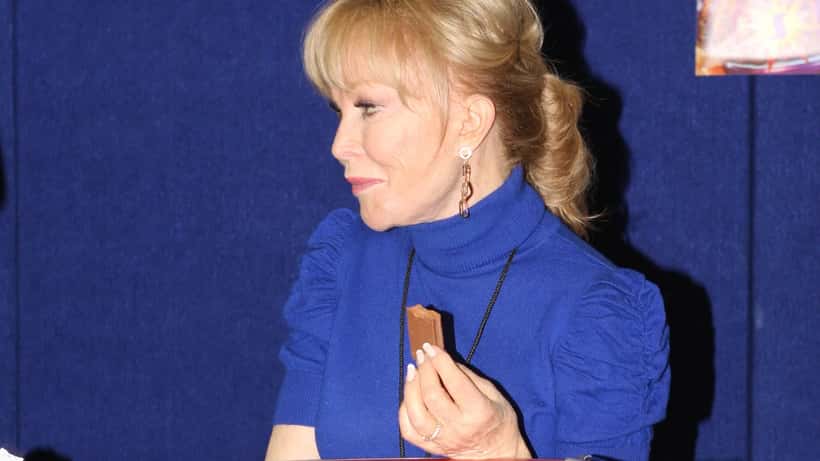
Barbara Eden, the iconic actress best known for her role in I Dream of Jeannie, captured the internet's attention this Easter when she shared a playful photo wearing bunny ears with her husband Jon Eicholtz. Eden is 94 years old — and the photo went viral precisely because she looks so remarkably well. For Australians asking "what's her secret?", the real answer lies in what preventive medicine has taught us about healthy ageing.
A 94-year-old defying expectations
The photo, posted on 8 April 2026, showed Eden smiling broadly in a red jacket, hands resting on her husband's shoulders, both wearing colourful bunny ears. Fan comments flooded in: "She's ageless," "What is she doing right?" and "Goals for my 90s."
Eden, who has remained active in recent months — attending a screening of her 1963 film The Yellow Canary and appearing publicly with fellow entertainment legend Pat Boone on 4 April 2026 — is something of a living advertisement for engaged, purposeful ageing. She is not in a care facility. She is attending events, posting on social media, and living an active public life.
This raises a question that many Australians are genuinely asking as our population ages: what does healthy ageing actually look like, and what should we be doing now — at 40, 50, 60 and beyond — to give ourselves the best chance of reaching our nineties in good health?
What preventive health looks like at every decade
Australia's population is ageing rapidly. According to the Australian Institute of Health and Welfare, people aged 65 and over make up nearly 17% of the population — a figure that is growing. The decisions you make in your forties and fifties significantly shape your health trajectory in your eighties and nineties.
In your 40s: This is the decade of screening. Bowel cancer screening begins at 45 under Australia's National Bowel Cancer Screening Program. Regular blood pressure checks, cholesterol panels, and blood sugar testing should become routine. Skin checks are particularly important for Australians given our high UV exposure.
In your 50s: Breast cancer screening (BreastScreen Australia) is recommended every two years from age 50. Men should discuss prostate health with their GP. Bone density tests become relevant, particularly for women approaching or post-menopause. Hearing checks are often overlooked but critical — untreated hearing loss has been linked to accelerated cognitive decline.
In your 60s and beyond: Annual GP visits become more important for managing chronic conditions. Falls prevention — through strength training, balance exercises, and home safety assessments — is a genuine life-or-death issue for older Australians. Cognitive health reviews should be part of routine care.
The role of a GP vs. a specialist
Barbara Eden's longevity likely reflects a combination of genetics, lifestyle, and — almost certainly — regular medical care over decades. For Australians, the first line of preventive health is your General Practitioner. But knowing when to see a specialist matters.
A GP can manage most preventive health needs and coordinate referrals. However, there are situations where a specialist consultation is appropriate:
- Cardiologist: If you have a family history of heart disease, or high blood pressure not controlled by medication
- Endocrinologist: If you have diabetes or thyroid issues that require closer management
- Geriatrician: If you or a family member are dealing with multiple chronic conditions and complex medication regimes
- Neurologist or Geriatric psychiatrist: If memory changes or cognitive concerns arise
The key is not to wait until something goes wrong. Preventive visits — even when you feel well — catch problems early, when they are most treatable.
What Australians can do today
You don't need to be a Hollywood icon to prioritise your health. Here are the most evidence-based steps for Australians focused on healthy ageing:
Stay physically active. The Australian Government recommends at least 150 minutes of moderate physical activity per week for adults over 65, plus muscle-strengthening activities on two days. Walking, swimming, and yoga all count.
Maintain social connections. Loneliness is a major risk factor for cognitive decline and cardiovascular disease. Staying connected — as Eden clearly does — is not just emotionally valuable; it's medically protective.
Don't skip your screenings. Many Australians miss out on recommended screenings simply because they feel well. Conditions like bowel cancer and type 2 diabetes are far more manageable when caught early.
Talk to your GP about a comprehensive health assessment. Australians aged 75 and over are eligible for a free annual health assessment through Medicare (MBS item 701). Those 45–49 years old at risk of chronic disease may also access a health assessment (MBS item 717).
Review your medications regularly. As we age, the number of medications often increases. A pharmacist or GP can review for interactions or dosages that may no longer be appropriate.
Barbara Eden's Easter photo is a joyful reminder that vitality at 94 is possible. But it's built on decades of choices — and the right medical support along the way. Whether you're 45 or 75, the best time to invest in your health is now.
Health Disclaimer: This article is for general informational purposes only. Always consult a qualified health professional for personalised medical advice.
