 Emily Turner
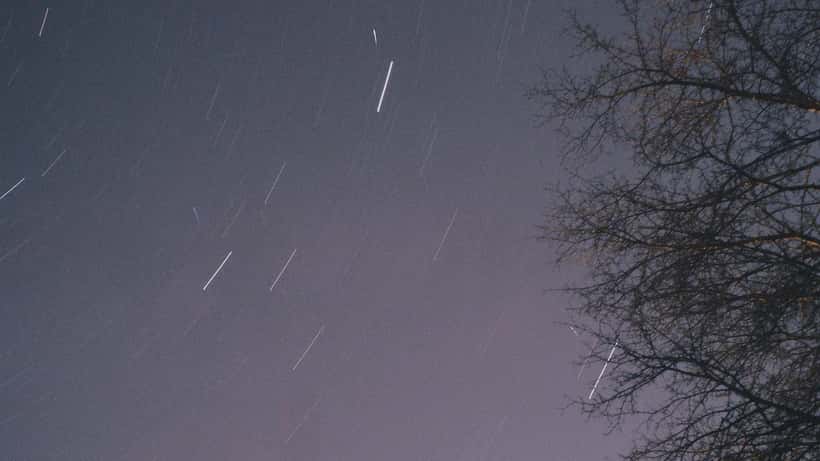
The Lyrid meteor shower peaks on the night of April 22–23, 2026, offering Australians up to 23 shooting stars per hour — and this year's conditions are unusually good. With the new moon falling on April 17, skies will be dark and free of moonlight interference during the peak window. But how safe is spending three or four hours outdoors staring at the night sky?
When and Where to Watch in Australia
According to the International Meteor Organization's 2026 Lyrid calendar, the shower's active period runs from April 16 to 25, with the precise peak occurring between late evening April 22 and the early morning hours of April 23 AEST. The Zenithal Hourly Rate (ZHR) during peak ranges from 14 to 23 meteors per hour, though observers in areas with light pollution will see fewer.
Best viewing times are between 11pm and 6am, with the highest density of meteors expected around midnight on April 22–23. Regional areas away from city light pollution — think rural New South Wales, the ACT highlands, or Western Australia's interior — will give the clearest view. No equipment is needed. The human eye captures a wider field of view than binoculars, making naked-eye observation the recommended approach.
The Lyrids are one of the oldest known meteor showers, with records stretching back 2,600 years. They are caused by Earth passing through the debris trail of Comet C/1861 G1 Thatcher, which last came close to Earth in 1861.
The Eye Safety Question Most Stargazers Don't Think About
Here is what surprises most people: the Lyrids themselves pose no direct risk to eyesight. Meteors burn up at altitudes of 80–120 km above Earth's surface — they are simply streaks of light in the sky, equivalent in brightness to a bright star or an aircraft.
The real eye health concerns are indirect:
Extended dark adaptation. When you spend more than 20 minutes outside in near-total darkness, your eyes undergo dark adaptation, a process involving the regeneration of rhodopsin in the rod cells of the retina. This is normal and beneficial — but returning to bright screens immediately afterward disrupts this process and can cause temporary visual discomfort. Optometrists recommend keeping your phone face-down during viewing and waiting 10–15 minutes before looking at bright screens after returning indoors.
Cold and dry air exposure. April nights in regional Australia can be cold and dry. Extended outdoor exposure in these conditions leads to increased tear evaporation, causing temporary dry eye symptoms. If you wear contact lenses, consider switching to glasses for your meteor-watching session. Bring artificial tear drops if you are prone to dry eyes.
Light recovery after staring at bright meteors. The average Lyrid is dim, but the occasional fireball — a meteor bright enough to cast shadows — can cause brief, harmless photophobia (sensitivity to light) lasting a few seconds. This is not a concern for most observers. Anyone with pre-existing photosensitive conditions, including certain forms of migraine, should be aware that sporadic bright flashes are part of the experience.
Sleep, Circadian Rhythm, and the Midnight Peak
The Lyrids are a genuine circadian challenge. Watching the peak at midnight or 1am means disrupting your sleep cycle — particularly the deep-sleep phase most Australians enter between 11pm and 2am.
For healthy adults, a single night of disrupted sleep has modest and reversible effects: reduced cognitive performance the following day, elevated cortisol, and mild immune suppression. Recovering takes one to two nights of normal sleep.
For people with existing sleep disorders, anxiety, or conditions such as Type 2 diabetes where sleep quality directly affects metabolic health, a missed night carries more weight. In these cases, it is worth asking whether watching the earlier phase of the shower (from 11pm to midnight) represents a reasonable compromise.
Children under 10 experience more pronounced next-day effects from sleep disruption, including irritability and attention difficulties. If you are bringing young children to a viewing session, a 10pm to 11pm window captures early Lyrid activity while preserving most of their overnight sleep.
When to See a Doctor
Stargazing is not a high-risk activity, but a few scenarios warrant professional attention:
- Persistent visual disturbances after the event — floaters, flashes, or blurred vision that continue the following day are not related to meteor-watching and should be assessed by an optometrist or GP.
- Eye pain during the session — this likely indicates dry eyes or a foreign particle (dust in the air), not light exposure. Rinsing with saline and resting usually resolves it.
- Sleep disruption that persists beyond two days — if you find yourself unable to re-establish normal sleep after the viewing session, a GP consultation is appropriate, particularly if you have underlying anxiety or sleep apnoea.
The Lyrid meteor shower is a genuinely low-risk, high-reward experience for most Australians. The eye and health considerations are real but manageable with simple preparation. If you have specific concerns about how a late-night outdoor event interacts with your health conditions, Expert Zoom's network of Australian general practitioners and specialists can provide tailored advice before you set up your camping chair in the paddock.
Pack a blanket, charge your star-map app, and enjoy one of 2026's best celestial events.
