 Fred Rivers
Liverpool FC and Leeds United kick off today, Sunday 2 August 2026, at Soldier Field in Chicago — the third and final match of Liverpool's North American pre-season tour. With resale tickets averaging USD $297 per seat (approximately AUD $460) on platforms like StubHub and Vivid Seats, tens of thousands of supporters from across the globe have turned to secondary market platforms to secure their place in the stands. For Australian fans among them, one risk has largely gone unspoken: overseas ticket transactions may leave you with almost no enforceable rights under Australian Consumer Law.
A Sold-Out Tour Fuelled a Booming Secondary Market
Liverpool arrived in Chicago having already beaten Wrexham 1-0 and Sunderland 4-2 on their 2026 North American pre-season tour — a run that built momentum and drove demand for the Chicago finale. Leeds United, fresh from a strong campaign, face the Reds as the final warm-up before both clubs' Premier League seasons begin in earnest.
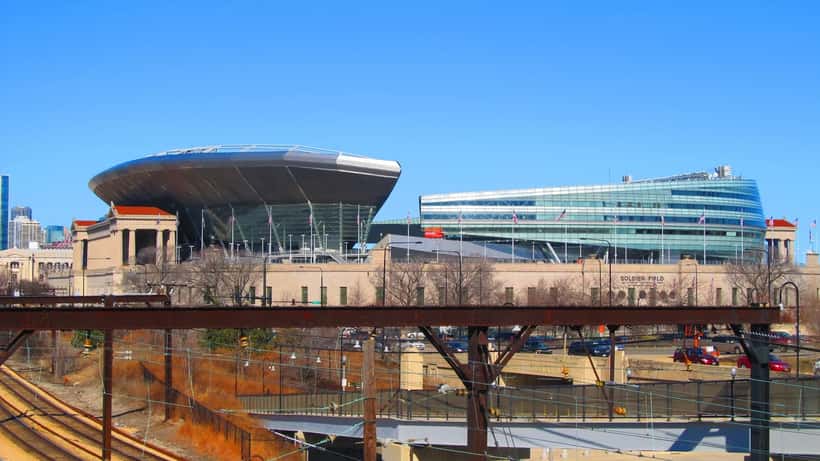
Soldier Field, which can seat more than 61,500 spectators, is hosting one of the biggest pre-season football crowds in US history this afternoon. Official tickets through Ticketmaster — the authorised US partner for this event — sold out within 72 hours of going on sale in May. Within days, secondary platforms had listed tens of thousands of resale options.
According to Yahoo Sports, prices dropped below USD $100 for upper-tier seats in the final 72 hours before kick-off, having traded as high as USD $500 for field-level positions earlier in the week. The average resale price on Vivid Seats hovered around USD $297. For an Australian buyer converting at today's rates, that translates to roughly AUD $460 per seat — before credit card surcharges, currency conversion fees, and platform service charges are factored in.
What the ACCC Says About Buying from Overseas Platforms
Australian Consumer Law (ACL) offers some of the strongest consumer protections in the world — but those protections are primarily built around transactions with Australian businesses. When you buy from StubHub (headquartered in San Jose, California), Vivid Seats (Chicago, Illinois) or SeatGeek (New York), you are entering a contract governed by US state law, not Australian law.
The Australian Competition and Consumer Commission makes this explicit in its guidance on buying online: while Australian businesses selling to Australians must comply with the ACL, overseas businesses are not directly bound by it. If something goes wrong, you may be limited to the platform's own internal dispute process — which each platform has written in its own favour.
The key distinction is between a platform that actively "does business" in Australia — which could attract some ACL obligations — and one that merely accepts payment from Australians under a US-law contract. Most major secondary ticketing platforms fall firmly into the latter category, and their Terms of Service reflect that positioning.
This does not mean you have no options at all. Your real leverage depends on three factors: the platform's contractual guarantee, the payment method you used, and whether the problem crosses into fraud rather than a straightforward commercial dispute.
Where a Legal Expert Adds Genuine Value
Consumer rights solicitors increasingly handle cross-border ticketing disputes, and there are several issues they can resolve that most buyers try to navigate alone — usually without success.
Credit card chargebacks. Even when a US platform declines your refund, your Australian bank or card network (Visa, Mastercard, American Express) has its own independent chargeback mechanism. A solicitor can advise you on the exact documentation required — transaction records, listing screenshots, seller correspondence — to file a chargeback through your Australian card issuer rather than through the platform's internal process.
Reading guarantee fine print. Platforms like StubHub advertise a "FanProtect Guarantee," but this is a contractual commitment by the company, not regulated insurance. A consumer lawyer can explain the circumstances in which that guarantee has practical limits: if StubHub cannot source a replacement, its obligation may extend only to a refund of the face value — not to your flight, accommodation, or other consequential costs.
Social media and peer-to-peer sales. A growing share of match tickets change hands via Facebook, Instagram and Telegram, sometimes with requests for payment via cryptocurrency or buy-now-pay-later services. These purchases carry almost zero protection under either Australian or US law. For a parallel look at football ticket rights in the UK market, this breakdown of EFL Championship season ticket protections covers similar consumer law issues in a European context.
Concrete Scenario: The Morning-of Ticket Cancellation
Consider an Australian supporter who purchased two resale tickets on StubHub in June 2026 at USD $230 each — a total of USD $460, approximately AUD $710 at today's rates. At 9:00 AM on the morning of the match, an automated email arrives: the seller has listed the tickets in error and they are no longer valid.
StubHub's FanProtect Guarantee presents two options. Option one: a full refund to the original payment method, processed in five to ten business days. Option two: replacement tickets of "comparable or better value" — but in this scenario, the only available comparable seats are priced at USD $340 each, an additional cost of AUD $154 per ticket.
If the buyer accepts the upgrade, they pay the difference. If they decline and request the full refund, they receive USD $460 back — minus the currency conversion fee their Australian bank charged at the time of the original transaction. At a typical rate of 2–3%, that is AUD $14 to $21 on this purchase: a small amount in isolation, but one the platform will not reimburse.
The guarantee covers none of the following: a return flight from Sydney to Chicago (from AUD $1,800), two nights of Chicago accommodation (from AUD $220 per night), or any other costs arranged around attending the match. If the event itself is not cancelled — if only the individual seller's tickets are unavailable — most standard travel insurance policies will not pay out. The total unrecoverable exposure can exceed AUD $2,500 with no straightforward legal remedy under Australian law.
This article addresses general legal principles and is not a substitute for individual legal advice tailored to your circumstances.
What to Do Before Buying Resale Tickets for Overseas Matches
These steps apply whether you are dealing with today's match or planning future international sports travel:
Pay by credit card, not debit. Credit card chargebacks provide a formal dispute mechanism through your Australian bank. Debit cards, BNPL services, and cryptocurrency payments offer almost no equivalent protection for cross-border transactions.
Verify the seller's licencing. In Illinois, secondary ticket brokers must be registered under the state's Ticket Sale and Resale Act. Sellers operating outside this framework — particularly on social media — have no compliance obligations to you or to any regulator.
Document the purchase immediately. Screenshot the listing price, seat details, and your final confirmation page at the time of purchase. These records are the foundation of any chargeback claim or dispute resolution process.
Consider whether travel insurance covers ticket no-shows. Most standard policies do not. Specialist event-cancellation policies exist, but they typically cover event cancellation by the organiser — not seller cancellations on secondary platforms.
Consult a consumer rights lawyer before or promptly after a problem arises. When flights and accommodation are tied to a ticket purchase, a 30-minute consultation is almost always worth the cost. A lawyer can identify whether a chargeback through your card issuer, a complaint through the platform's dispute process, or — in cases of fraud — a referral to the ACCC or your state consumer affairs office is the right path for your specific situation.
Liverpool vs Leeds United at Soldier Field on 2 August 2026 is exactly the kind of event that draws supporters across hemispheres. For any Australian who secured their seat through a secondary market, understanding your actual legal position is not a formality — it is the difference between a recoverable problem and a very expensive lesson.
