 Emie Wang
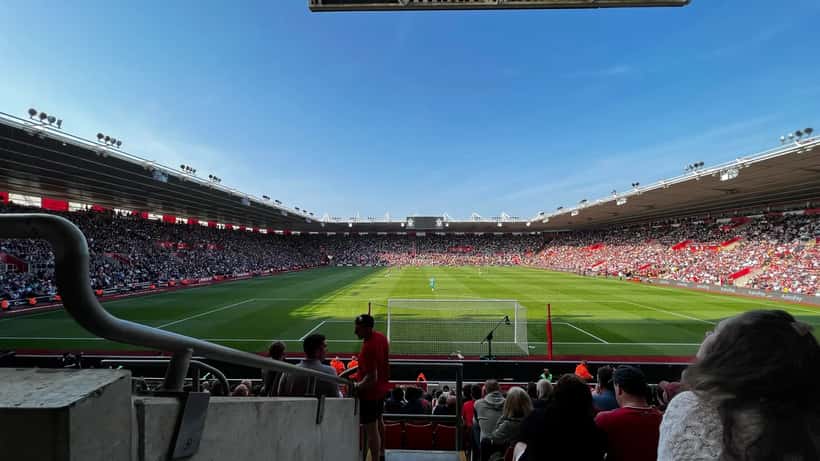
Southampton sit sixth in the EFL Championship with five games left in the 2025-26 season, and their match against Derby County on 11 April 2026 has sold every away seat. Millions of football fans — including tens of thousands of Australians who hold season tickets, streaming subscriptions, or supporter memberships for English clubs — are watching the playoff race closely. But what are your actual consumer rights if your club falls short?
The Playoff Stakes and What Fans Have Paid For
Southampton's 13-match unbeaten run under their current management has them chasing a top-six finish and automatic promotion to the Premier League. Derby County, sitting in the mid-table, needed a result on the road — but their away record of four defeats in five recent fixtures told a different story.
For supporters who bought season tickets expecting a promotion push, the question of value and refunds is legally murkier than most clubs' terms and conditions suggest. The same applies to Australian fans who have paid hundreds of dollars for official supporter memberships, streaming packages, or merchandise tied to club milestones.
What Consumer Law Says (and What Clubs Often Don't Tell You)
In Australia, the Australian Consumer Law (ACL) — administered under the Competition and Consumer Act 2010 (Cth) — provides protections that apply to sports memberships and subscriptions purchased from Australian retailers or via Australian subsidiaries of overseas clubs.
Misleading conduct is the most relevant provision. If a club's marketing materials, membership packs, or official communications promised benefits — such as access to a promotion celebration, a winners' parade, or specific match inclusions — that do not eventuate, there may be a case for partial refund or compensation under ACL sections 18 and 29.
Failure to supply the promised service is more straightforward. If a streaming subscription includes all playoff matches and the club is eliminated before the final, subscribers are not entitled to a refund for matches they correctly never accessed — but if technical failures prevent access to matches that did occur, there is a clear remedy.
Unfair contract terms can also be challenged. Under ACL amendments fully in force since 2023, standard-form contracts — including digital membership agreements — cannot include terms that allow the supplier to unilaterally vary what is delivered without giving consumers a meaningful right to exit.
Season Ticket Refunds: The Specific Rules
For supporters in the UK, the relevant framework is the Consumer Rights Act 2015 and the Ticket Touting provisions, but these do not create an automatic right to a refund if a club is simply relegated or fails to achieve a stated goal. The distinction lies in what was expressly promised versus what was reasonably implied.
Australian supporters buying through UK club websites are generally bound by English law, but if a purchase was made through an Australian bank account and marketed to Australian consumers via targeted digital advertising, the ACL may still apply concurrently. A commercial lawyer can advise on which jurisdiction's consumer protections are more advantageous in a specific case.
Practical Steps for Fans in Dispute
If you believe a sports club has not delivered what it promised, a qualified consumer law solicitor would typically recommend the following steps:
- Document the promise: Screenshot all marketing materials, emails, and membership benefit summaries at the time of purchase. Courts and tribunals look at what a consumer was reasonably led to expect at the point of sale.
- Write a formal complaint: Address it to the club's legal or compliance department, citing the specific benefit that was not delivered. Many disputes resolve at this stage without escalation.
- Lodge with a consumer tribunal: In Australia, each state has a civil and administrative tribunal (VCAT in Victoria, NCAT in New South Wales, QCAT in Queensland) with low-cost processes for disputes below $25,000 to $100,000 depending on the jurisdiction.
- Consider a chargeback: If the purchase was made by credit card and the service was materially different from what was advertised, a chargeback claim through your bank under Visa or Mastercard scheme rules is a parallel avenue — especially for subscriptions under $500.
The Broader Lesson for Sports Fans
Southampton's situation — a club that was in the Premier League only 12 months ago now fighting a playoff race — is a reminder that football operates in rapid cycles. Fans who purchase multi-year memberships, guaranteed-seat packages, or "founding member" tiers for clubs in transition take on real commercial risk.
The law does not protect you against a club simply having a bad season. But it does protect you against broken promises, misleading descriptions of what you are buying, and contracts that give one party unlimited discretion to change the deal. Understanding that distinction before you buy — ideally with five minutes of advice from a consumer lawyer — is worth considerably more than any dispute process afterwards.
This article provides general information only and does not constitute legal advice. For advice tailored to your situation, consult a qualified solicitor.
