 Emily Turner
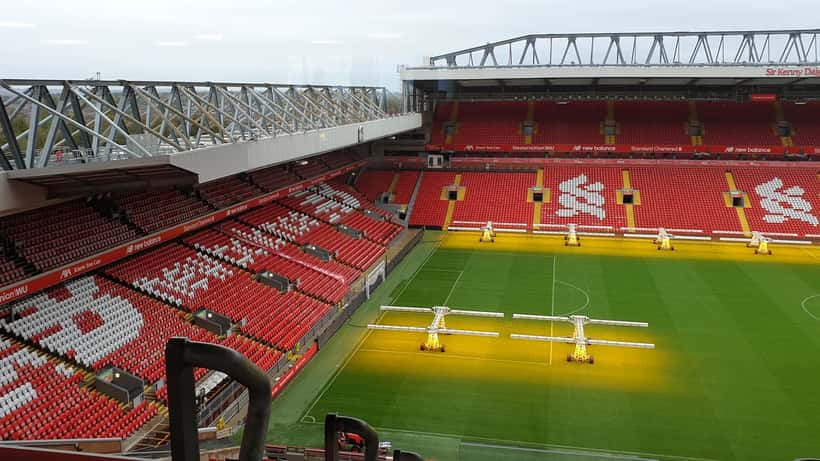
Liverpool and Brentford meet at Anfield this afternoon in the final fixture of the 2025-26 Premier League season. For Arne Slot's side — fifth in the table with 59 points — a draw is all that stands between them and UEFA Champions League football next season. For Brentford, sitting ninth on 52 points, a win combined with favourable results elsewhere represents a last chance at European qualification.
The stakes are high. The irony is that both squads are playing their 38th league game of a season that began in August 2025 — a nine-month grind that has already stripped most Premier League clubs of their best form long before the final whistle.
Liverpool have won just two of their last five league matches. Brentford have taken one win from their last nine outings. These are not tactical failures. They are biology.
What 38 Games Does to the Human Body
The Premier League season is one of the most physically demanding sports calendars in the world. Players typically cover 10 to 13 kilometres per match at high intensity, with sprint efforts of 25 to 30 kilometres per hour sustained across 90 minutes, repeated every four to seven days throughout the season.
By May, even the fittest athletes in the world are operating in a state of accumulated fatigue. Sports scientists call this "end-of-season syndrome" — a cluster of physiological and psychological markers that include reduced sprint speed, elevated baseline heart rate, impaired cognitive decision-making, and heightened injury risk. A 2024 study published in the British Journal of Sports Medicine found that Premier League players in the final four weeks of the season showed muscle power outputs averaging 12% below their early-season benchmarks.
For Liverpool, this explains a lot. The 4-2 loss to Aston Villa on 15 May 2026, followed by a 2-2 draw at Crystal Palace on 17 May — results that seemed inexplicable given Liverpool's quality — fit the pattern precisely. Bodies at the limit of their capacity do not perform like bodies fresh from pre-season.
The Australian Workplace Parallel
Most Australian workers do not think of themselves as elite athletes. But the physiological pattern at the end of a long Premier League season has a remarkably direct parallel to what happens to knowledge workers, healthcare professionals, tradespeople, and educators approaching the end of a demanding financial year or academic term.
Australia's financial year ends on 30 June 2026. For accountants, financial planners, construction managers, and business owners, May and June represent the highest-workload period of the professional calendar — the equivalent of a Premier League final day, except it lasts six weeks.
Research from the Black Dog Institute found that 48% of Australian workers report experiencing significant fatigue during the May-June period, with reported errors in critical tasks increasing by up to 20% in the final two weeks of the financial year.
Signs That Cumulative Fatigue Is Becoming a Health Risk
Acknowledging fatigue is not the same as admitting weakness. Sports medicine practitioners identify four warning signs that accumulated physical and mental load is crossing from manageable tiredness into medically relevant territory:
Persistent sleep disruption. When high-performance demands bleed into sleeping hours — difficulty falling asleep, waking early, or unrefreshing sleep despite adequate hours — the hypothalamic-pituitary-adrenal axis is typically dysregulated. This is treatable, but requires assessment rather than more caffeine.
Increased frequency of minor illness. Premier League clubs track upper respiratory tract infections as a proxy for immune suppression under sustained load. In the workplace equivalent, this often presents as frequent headaches, mild cold symptoms, or prolonged recovery from minor bugs.
Impaired decision-making and irritability. Cognitive fatigue is not laziness. The prefrontal cortex — responsible for sustained attention, risk assessment, and interpersonal regulation — is disproportionately affected by sleep debt and sustained stress, according to the Australian Institute of Health and Welfare.
Physical pain without a clear cause. Musculoskeletal pain that emerges without injury — lower back discomfort, neck tension, persistent headaches — is a common physiological expression of cumulative psychological load. It is the body's way of demanding the intervention it is not getting.
What to Do Before the Final Whistle
For Liverpool and Brentford, the end of the season brings automatic recovery protocols: structured rest, monitored load reduction, and medical assessment before pre-season begins. These are not optional extras — they are built into professional contracts because clubs know that failing to address them creates injury and underperformance in the following season.
Australian workers rarely have these protocols in place. Most push through June and call it a holiday in late July.
A general practitioner with occupational health experience can assess whether fatigue has crossed into clinical burnout — a recognised medical condition under the WHO International Classification of Diseases that requires structured recovery, not just annual leave. A GP referral can also access psychologists under the Better Access initiative, which provides up to ten subsidised mental health sessions per calendar year under Medicare.
Platforms like Expert Zoom connect Australians with qualified health professionals, including GPs and occupational health specialists, who can assess end-of-season load and help design a recovery protocol before the next year starts.
Liverpool will recover. Their pre-season programme will rebuild what 38 games took away. The question for Australians watching this final day is: what does your recovery plan look like?
Read more: Liverpool vs Fulham: The Hidden Heart Risk Australians Face When Watching High-Stakes Football
This article provides general health information only. It does not constitute medical advice. If you are experiencing symptoms of burnout or fatigue, please consult your GP.
