 Chloe Wilson
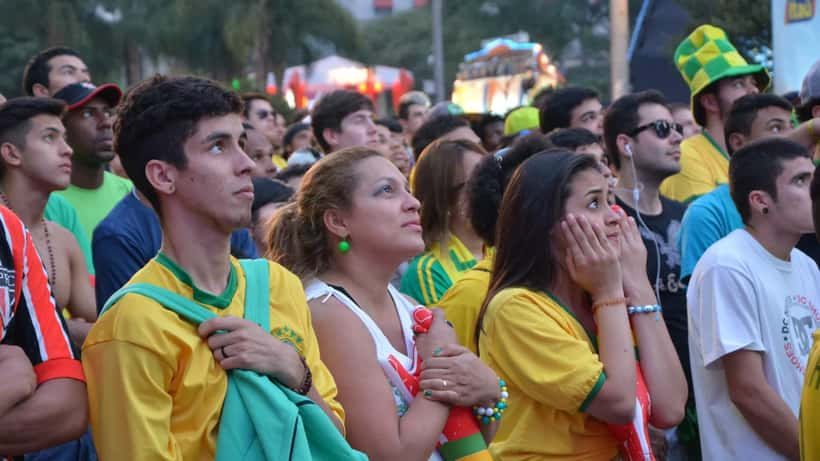
Bayern Munich and Real Madrid go head-to-head in the UEFA Champions League quarter-final second leg today, 15 April 2026 — and millions of Australians are setting early alarms, skipping sleep, and mainlining coffee to watch. But according to sports medicine doctors, the physical cost of sports fandom deserves more attention than it typically gets.
Tonight's Match and Why Australians Are Watching
The second leg kicks off at Allianz Arena in Munich with Bayern holding a 2–1 aggregate lead from the first leg at the Santiago Bernabéu on 7 April, where goals from Harry Kane and Luis Díaz edged out a Kylian Mbappé strike. Real Madrid need to score tonight and keep Bayern out — the stakes could not be higher.
Arsenal are also in Champions League action against Sporting CP tonight, according to Yahoo Sports, making this a back-to-back European football night for Australian fans. The UCL is the most-watched club football competition in Australia, with a dedicated fanbase that spans Sydney, Melbourne, Perth, and beyond.
Watching these matches live typically means a 3:00 AM to 5:00 AM wake-up for eastern Australian viewers — and a consistent pattern of disrupted sleep that doctors say should not be dismissed as trivial.
What Sleep Deprivation Does to Your Body
Sleep disruption is the most immediate health consequence of watching European football live. According to Healthdirect Australia, adults need 7–9 hours of sleep per night for healthy functioning. A single night of significant sleep loss produces measurable effects:
- Cognitive impairment equivalent to mild alcohol intoxication — slower reaction times, reduced decision-making capacity, and impaired concentration
- Elevated cortisol levels, which suppress immune function and increase inflammatory markers
- Cardiovascular strain — heart rate variability decreases and blood pressure can spike, particularly in fans experiencing high-stress match moments
For the occasional Champions League night, these effects are temporary and reversible with recovery sleep. The risk escalates when late-night viewing becomes habitual across an entire knockout tournament, or when it combines with existing health conditions.
The Adrenaline Effect: Your Heart During a Penalty Shootout
Research on the physiological impact of sports viewing has produced striking findings. A widely cited 2008 German study published in the New England Journal of Medicine found that cardiac emergency admissions in Munich more than doubled during Germany's World Cup matches — with the spike most pronounced in viewers with pre-existing cardiovascular conditions.
The mechanism is straightforward: emotional arousal during high-intensity sport triggers the same physiological stress response as physical exertion. Your body releases adrenaline (epinephrine) and cortisol. Your heart rate climbs. Blood pressure rises. Blood clotting factors increase. For healthy adults, this is manageable. For people with undiagnosed or poorly managed hypertension, arrhythmias, or previous cardiac events, the risk is real and non-trivial.
Australian sports medicine physicians consistently advise high-risk viewers — particularly men over 45 and anyone with known cardiovascular disease — to be aware of these effects and to have their cardiovascular health assessed if they are frequent high-intensity sports viewers.
The "Weekend Warrior" Problem and Champions League Syndrome
The pattern extends beyond the TV. For many Australian men in their 30s and 40s, the Champions League final stretch also coincides with increased informal physical activity — backyard football with the kids, five-a-side futsal with colleagues, Saturday morning runs inspired by the match highlights. Sports physicians have a term for the injury pattern this creates: weekend warrior syndrome.
Weekend warriors — people who are largely sedentary during the work week and then engage in intense, often high-impact physical activity at weekends — account for a disproportionate number of soft-tissue sports injuries seen in Australian general practice and emergency departments each year. Ankle sprains, hamstring tears, rotator cuff strains, and knee ligament injuries are common presentations.
The compounding factor is fatigue: watching a 3:00 AM match and then attempting a 9:00 AM run on minimal sleep significantly increases injury risk, as neuromuscular coordination is directly impaired by sleep deprivation.
Practical Advice From Sports Medicine
For Australian football fans, sports medicine doctors offer pragmatic guidance rather than prohibition:
If you are watching the match live tonight:
- Hydrate consistently — caffeine consumed late at night to stay awake is a diuretic and can increase cardiovascular strain
- Avoid alcohol during late-night viewing if you have any cardiovascular risk factors
- If you experience chest tightness, palpitations, or unusual shortness of breath during a tense moment, do not dismiss it — seek medical assessment
If you are a weekend warrior inspired by the Champions League:
- A 10-minute dynamic warm-up before any physical activity reduces soft-tissue injury risk significantly — static stretching before exercise is no longer recommended
- Build activity gradually rather than jumping straight to high-intensity play after a sedentary week
- If you have persistent knee, hip, or lower back pain that worsens after weekend sport, a sports medicine physician or physiotherapist can assess whether you have an underlying condition being exacerbated by irregular activity
When to see a doctor:
- Chest pain, irregular heartbeat, or extreme breathlessness during low-to-moderate exertion
- A joint injury that does not improve significantly within 48–72 hours with rest and ice
- Persistent fatigue that does not resolve after recovery sleep — this may indicate chronic sleep debt or an underlying condition
Don't Let Football Be the Reason You Miss a Check-Up
The Champions League is one of the great sporting spectacles. Australians' passion for European football is genuine and worth celebrating. But the combination of disrupted sleep, emotional arousal, and spontaneous weekend sport that surrounds each major match is also a legitimate window into how your body is functioning.
If late-night football watching leaves you noticeably depleted — more than the odd tired morning — it may be worth speaking to a GP or sports medicine specialist. Expert Zoom connects Australians with qualified health professionals for online consultations, making it straightforward to get a check-in without taking time off work. You can also find sports injury insights from the Expert Zoom health archive for more context on preventive sports medicine.
Enjoy the match tonight. Bayern or Madrid — just make sure you wake up tomorrow.
This article is for general informational purposes only. Consult a registered medical practitioner for advice specific to your health situation.
