 Theo Manning
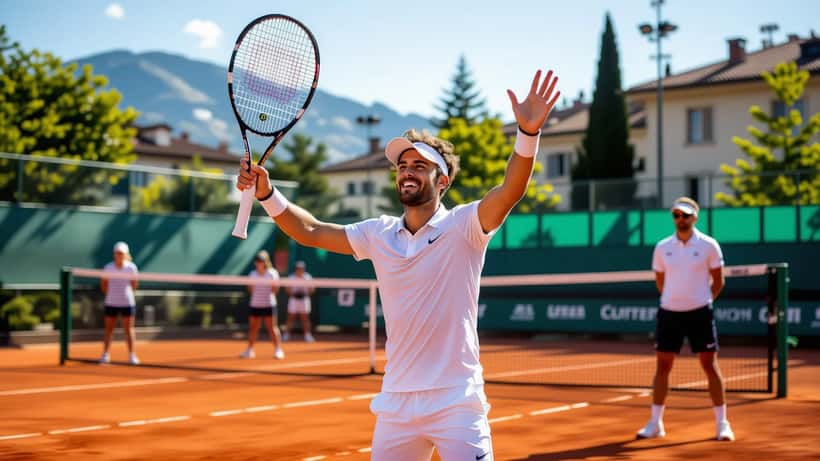
On 25 May 2026, Learner Tien became the youngest player to win the Geneva Open since 1989. The 20-year-old American — ranked world number 18 and climbing, a career high set the same day — defeated Argentina's Mariano Navone 3–6, 6–3, 7–5 in the final, then flew to Paris to play his Roland Garros first-round match against Cristian Garin less than 24 hours later.
For tennis fans, it was a statement performance. For the thousands of Australian families investing in junior athlete development programs — and for the junior athletes themselves — it was also a pointed reminder: when athletic talent begins attracting serious commercial attention, the legal and financial structures around a young athlete matter enormously.
A 20-Year-Old at the Top of the World
Tien was born in 2006. He is coached by Michael Chang, the former world number one who won the 1989 French Open at age 17 — the precise tournament Tien is now competing at, more than three decades later. The symmetry is poetic. The business reality behind it is instructive.
Chang's coaching relationship with Tien is not an informal arrangement between a mentor and a talented young player. It is a professional agreement that covers compensation structures, travel expenses, coaching fees, and likely a share of prize money earned during the coaching relationship. That agreement shapes both men's financial lives and the trajectory of Tien's career.
Australian junior athletes competing at national level face versions of this same reality earlier than most families expect. The moment a junior attracts professional coaching attention, agent outreach, or sponsorship interest — which can happen at ages well below twenty — the legal and financial frameworks surrounding their career begin to carry real consequences.
The Three Agreements That Define a Young Athlete's Career
Once a junior athlete begins attracting sponsorship interest, agent outreach, or professional tournament income, three categories of legal agreement typically become relevant:
Player-agent agreements. A player agent manages bookings, sponsorship negotiations, commercial deals, and media appearances. In Australia, sports agents are not regulated the same way as financial advisers or licensed professionals in other industries. There is no mandatory registration or minimum qualification standard. Before signing any agent agreement, an athlete or their family should clearly understand: the commission rate (typically 10 to 20 per cent), the term and renewal conditions, exclusivity clauses that restrict working with other agents, and what dispute resolution mechanisms are available if the relationship breaks down.
Coaching and development agreements. Professional coaches at elite level often work under formal contracts governing compensation, travel costs, performance bonuses, and termination conditions. Some senior coaching agreements include a percentage of prize money earned during the coaching tenure. These are not arrangements to enter verbally, however trusting the relationship feels at the start.
Sponsorship and endorsement agreements. Equipment sponsorships — racquets, shoes, clothing — are typically the first commercial deals junior athletes encounter. These agreements can include performance clauses that adjust or terminate payments if results fall, exclusivity restrictions that prevent the athlete from accepting competing offers for years, and reputation requirements that affect future deal-making. Signing a sponsorship agreement without understanding these implications is a common and frequently expensive mistake.
What Australian Law Provides — and Where the Gaps Are
Australia's contract law provides strong general protections. An agreement entered under duress, that materially misrepresents its key terms, or that involves a minor without appropriate guardian consent mechanisms can potentially be contested.
However, the sports industry operates in contractual territory that general consumer law was not designed to navigate. Most professional sporting relationships — including coaching arrangements and agent agreements — are structured as independent contractor engagements rather than employment contracts. This places them largely outside the protections of the Fair Work Act 2009, which governs standard employment relationships.
The Competition and Consumer Act 2010 provides protections against misleading conduct, but enforcing these in a dispute with a sports agent or management company can be technically complex and financially draining for a family without specialist legal advice.
The practical implication: an athlete who signs an unfavourable agreement without independent legal review has limited, expensive remedies available if that agreement causes problems later. Preventing the problem costs far less than addressing it after the fact.
The Timing Question: When to Get Legal Advice
One of the most common questions from families with junior athletes is when to engage a solicitor. The consistent answer from sports law practitioners is: earlier than you think.
The moment a third party — an agent, a program director, a sponsor — expresses serious commercial interest in a young athlete's career is the moment to seek independent legal advice. Not after the agreement is presented. Not after it is signed. Before.
This applies even where the terms seem fair and the relationship seems trustworthy. Professional agreements carry legal obligations that informal understandings do not. A solicitor who has experience in sports and entertainment law can identify clauses that could restrict an athlete's freedom of movement, financial arrangements that create unexpected obligations, and exit conditions that do not adequately protect the athlete's interests if circumstances change.
Australian professionals like Alexei Popyrin have navigated exactly this kind of commercial transition — from junior development pathways to established ATP tour competitors with prize money, agents, and endorsement deals. Building the right legal foundations early is part of what enables a career to sustain success rather than being derailed by poor agreements made under pressure.
What the Tien Model Suggests
Learner Tien won Geneva at 20 and arrived at Roland Garros ranked 18th in the world. He got there with a coach, an agent, and a commercial framework built deliberately around his development.
That framework did not emerge spontaneously from talent alone. It was constructed by people who understood — and probably helped negotiate — the legal and financial agreements that shaped how that talent could be developed and protected.
Australian junior athletes with genuine professional potential benefit from building equivalent foundations. Tennis Australia provides athlete support programs, development pathways, and some financial guidance for elite juniors. But independent legal advice — from a solicitor working in the athlete's interest alone, not in a shared interest with agents or sponsors — provides protections that no general development program can replicate.
For more information on athlete development pathways and career support resources available in Australia, visit Sport Australia.
