 Olivia Miller
Australian travellers heading to Laos in 2026 are facing a renewed health warning after Lao authorities banned the sale and consumption of Tiger Vodka and Tiger Whisky over methanol contamination fears. The Department of Foreign Affairs and Trade (DFAT) is now urging Australians to avoid these products entirely, a direct response to the alcohol poisoning tragedy that claimed several foreign lives, including two young Australians, in 2024.
Methanol poisoning is not a hangover you sleep off. It is a medical emergency that can blind or kill within hours, and its early symptoms are deceptively easy to dismiss. With Laos still drawing Australian backpackers to hotspots like Vang Vieng and Luang Prabang, knowing how to recognise the signs could save a life.
What triggered the 2026 warning
The current alert follows a Lao Government order prohibiting the sale of two locally produced spirits after they were linked to methanol contamination. According to Smartraveller, the Australian Government's official travel advisory service, several foreign nationals died from methanol poisoning after consuming tainted alcoholic drinks in Laos in 2024. Among them were Melbourne teenagers Bianca Jones and Holly Bowles, whose deaths after drinking free shots at a Vang Vieng hostel drew international attention.
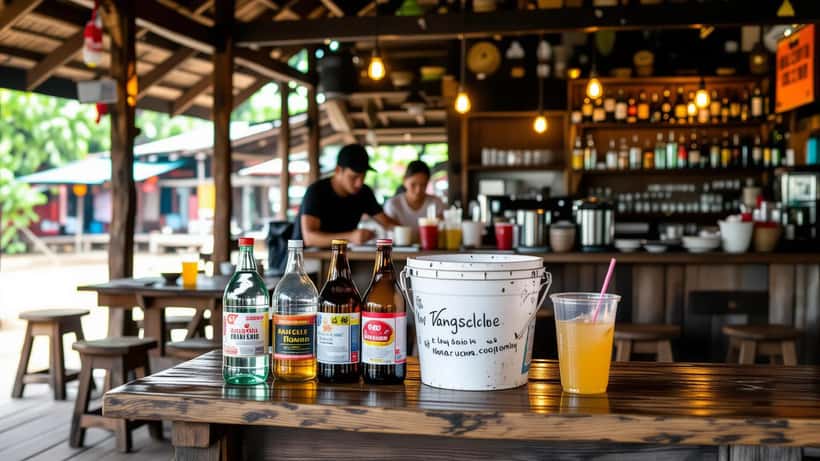
Methanol is a toxic industrial alcohol sometimes added illegally to spirits and cocktails to cut costs. It is odourless and tasteless when mixed into drinks, which is why victims often have no idea they have consumed it until symptoms appear. Backpacker bars serving cheap "bucket" cocktails and free-pour spirits are considered the highest-risk settings.
Why methanol is so dangerous
The danger with methanol lies in the delay. The body breaks it down into formic acid, a substance that attacks the optic nerve and central nervous system. Symptoms typically appear 12 to 24 hours after drinking, long after a traveller has left the bar and gone to sleep.
That gap is what makes methanol poisoning so lethal. A person may wake feeling unwell and assume they simply overdid it the night before. By the time serious symptoms emerge, significant damage may already be underway. Early hospital treatment dramatically improves survival, which is why speed matters more than almost any other factor.
The warning signs to watch for
Australians travelling in Laos should treat the following symptoms as a possible medical emergency, especially after drinking spirits or cocktails from an unverified source:
- Blurred, dimmed or "snowfield" vision, or partial loss of sight
- Severe or worsening headache that does not respond to painkillers
- Nausea, vomiting and abdominal pain hours after drinking
- Dizziness, confusion or drowsiness out of proportion to how much was consumed
- Rapid or laboured breathing, a sign the body is becoming dangerously acidic
Any visual disturbance after drinking should be treated as a red flag. Vision changes are the hallmark of methanol poisoning and rarely occur with an ordinary hangover.
What to do if you suspect poisoning
If you or a fellow traveller show these symptoms, do not wait to "see how it goes". Methanol poisoning is time-critical. Seek emergency medical care immediately and tell staff you suspect methanol, as the antidote and treatment differ from ordinary alcohol poisoning. In Laos, medical facilities outside major cities are limited, so travellers may need urgent transfer to Vientiane or across the border to Thailand.
This is where preparation before departure matters. A consultation with a doctor or a travel-health specialist ahead of your trip can help you understand destination-specific risks, arrange appropriate vaccinations, and put together a plan for what to do in a medical emergency abroad. A GP can also advise on comprehensive travel insurance that covers medical evacuation, which can cost tens of thousands of dollars if arranged after the fact. For travellers already unwell overseas, a telehealth consultation with an Australian doctor can help interpret symptoms and decide whether to escalate to a hospital.
Practical steps to reduce the risk
Health authorities and experienced travellers recommend several simple precautions:
- Avoid spirit-based drinks, cocktails and "buckets" from unlicensed or informal bars
- Stick to beer, wine or drinks you have seen poured from sealed, branded bottles
- Never accept free or heavily discounted shots from strangers or venues
- Avoid the banned Tiger Vodka and Tiger Whisky brands entirely
- Watch drinks being made and keep them in sight
These habits are not about avoiding a good time. They are about removing the single highest-risk category of drink from the equation while enjoying everything else Laos has to offer.
The bigger travel-health picture
Laos remains, for most visitors, a rewarding and generally safe destination. DFAT currently advises exercising normal safety precautions in the country, and recent changes such as the abolition of internal travel permits have made independent travel easier. Northern Laos in particular is emerging as a quieter, eco-focused alternative to the region's busier tourist trails.
The methanol warning is a reminder that the biggest health risks abroad are often not exotic diseases but everyday choices. Australians heading overseas this year face similar considerations across Southeast Asia, and the same preparation applies whether the destination is Laos or a neighbouring country. Travellers can read more on managing regional risks in our guide to health risks Australians must know before visiting Vietnam.
Booking a pre-travel health consultation, checking the latest official advice on Smartraveller's Laos advisory, and knowing the warning signs of methanol poisoning are the three steps that turn a risky unknown into a manageable one.
This article is general information only and is not medical advice. If you suspect methanol poisoning, seek emergency medical care immediately. Consult a qualified doctor or travel-health professional for advice tailored to your circumstances.
