 Olivia Miller
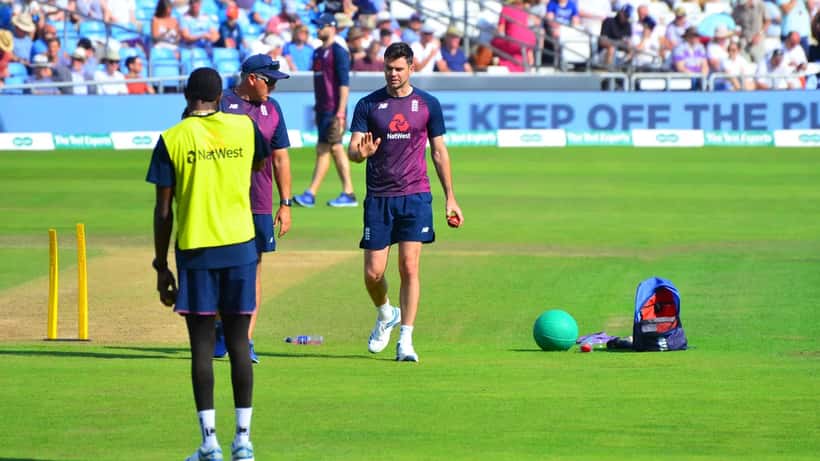
On 4 July 2026, Jofra Archer walked back into an England XI for the second T20I against India at Emirates Old Trafford in Manchester — and every cricket fan in Australia noticed. His return was not simply a selection call. It was the end point of one of international cricket's most closely watched recovery journeys, and a reminder of what modern sports medicine can achieve when it is applied with patience and precision.
A Comeback Built Over Years, Not Weeks
Archer, now 30, spent the better part of two years managing a chronic stress fracture in his right elbow — an injury that forced repeated surgeries and extended absences from the England setup. The path back was methodical. The England and Wales Cricket Board deployed advanced load-monitoring technology, tracking his delivery counts per session and incrementally increasing intensity only when clinical evidence supported it.
His first real test came in the 2026 IPL season with the Rajasthan Royals, where he claimed 25 wickets in 16 matches to finish as the team's leading bowler. Then came the New Zealand Test series, where he took 11 wickets at an average of 22.81 and was named Player of the Series. By the time the India T20I tour arrived, Archer had already built a full match-workload bank — the 4 July selection at Old Trafford was the reward for a recovery process that had respected every step.
Why Stress Fractures in Fast Bowlers Are Especially Difficult
Not all sports injuries are equal in complexity. Stress fractures — unlike acute breaks — develop through cumulative loading rather than a single traumatic event. For a fast bowler generating speeds above 140km/h, the elbow absorbs a force pattern that no amount of general fitness work can fully counteract.
According to the Australian Institute of Sport's sports medicine guidelines, the return-to-sport protocol for stress fractures in throwing athletes typically spans 12 to 18 months: an initial offloading phase, gradual reintroduction of throwing volume, biomechanical reassessment, and only then the progression to full match intensity. Imaging confirmation of bone healing is required before any competitive return.
Archer's elbow required multiple surgical cycles because early conservative management was not sufficient. The ECB eventually took a more interventionist approach, rebuilding his preparation from the ground up. The lesson — that stress fractures rarely resolve with passive rest alone — is one that sports medicine specialists have been emphasising for recreational athletes too.
IPL 2026: The Proof-of-Concept Phase
The IPL has increasingly become a rehabilitation proving ground for international cricketers. The shorter format, combined with the competition's medical infrastructure, allows players to return to high-intensity competition in a more controlled environment than a full international tour.
For Archer, 16 matches across two months in the IPL effectively served as his return-to-sport clearance test. The Rajasthan Royals' medical staff worked in parallel with the ECB, sharing data on Archer's load, delivery velocity, and post-match recovery markers. The 25-wicket haul was not just a performance metric — it was evidence that his body could sustain the demands of elite fast bowling without breakdown.
This approach mirrors a broader trend in elite sports medicine: the phased reintegration of injured athletes into competitive environments before full international return, rather than a binary off-then-on switch.
What This Means for Weekend Cricketers in Australia
Millions of Australians play recreational cricket — in suburban competitions, corporate leagues, and school competitions — without access to the resources that surround a player like Jofra Archer. Yet the injuries they sustain are often the same: elbow stress reactions, shoulder overuse, lower back pain from bowling actions.
The difference is not just medical access. It is the willingness to seek professional assessment early. A stress fracture caught at the bone stress reaction stage — before it progresses to a full fracture — can often be managed with a six-to-eight-week modified activity protocol. Left undiagnosed and loaded through continued play, the same injury can require surgery and many months of rehabilitation.
The recovery trajectory of Harshit Rana, India's fast bowler who also returned from a knee injury for this England tour, illustrates how even in elite settings, early structured intervention produces better outcomes than delayed action. And the back stress fracture experience of Cameron Green during the IPL is a cautionary reminder that inadequate recovery planning carries real consequences, even for athletes with full support systems.
When to Stop Blaming the Pitch and See a Professional
The Australian Institute of Sport recommends seeking expert assessment when elbow or shoulder pain in a throwing sport meets any of the following criteria: localised bone tenderness (rather than general muscle soreness), pain that does not resolve after two to three weeks of reduced training, any loss of grip strength or throwing range of motion, or a pattern of recurring pain in the same location across multiple seasons.
These are not edge cases. They are common presentations in recreational cricket clinics across Australia every summer — and in many cases they are assessed late because players wait too long, hoping the pain will resolve on its own.
Archer's story is ultimately a positive one. After years of setbacks, the structured application of sports medicine principles brought him back to an international XI. But it required multiple professional interventions, specialist collaboration, and a willingness to prioritise long-term health over short-term availability.
For the weekend cricketer watching the ENG vs IND T20I series with an elbow that has not felt right since last season, that is perhaps the most useful takeaway from Old Trafford on 4 July.
Disclaimer: This article provides general health information and does not constitute medical advice. If you are experiencing pain or injury symptoms, consult a qualified health professional before returning to sport.
ExpertZoom connects Australians with qualified health and sports medicine consultants. If you are managing a sports injury and want expert guidance tailored to your situation, a consultation through ExpertZoom can help you understand your recovery options and return to the sport you love safely.
