 Chloe Wilson
The Invictus Games Foundation and Invictus Australia announced in April 2026 that a brand-new Invictus Australia Sports Festival will take place in Perth, Western Australia, in October 2026 — open to veteran competitors from Australia, New Zealand, and the Republic of Korea. Prince Harry, Duke of Sussex and Patron of the Invictus Games Foundation, visited Australia alongside Meghan, Duchess of Sussex, to mark the announcement, joining veteran participants aboard a sailing tour of Sydney Harbour. The Department of Veterans' Affairs has confirmed that expressions of interest for the 2026 Adaptive Sports Program (ASP) — the formal pathway to participation — are now open. Beyond the sporting milestone, the announcement prompts a broader conversation: what does the health evidence actually say about adaptive sport and veteran mental wellbeing?
What the Invictus Australia Sports Festival Is
The Perth festival represents a new regional chapter in the Invictus Games movement, which Prince Harry founded in 2014 to harness the power of sport in supporting the recovery of wounded, injured, and ill service personnel and veterans. Unlike the full international Invictus Games — which Invictus Australia is separately bidding to host in 2031 — this festival focuses on regional participation from Pacific neighbours Australia, New Zealand, and South Korea.
According to the Department of Veterans' Affairs, the Adaptive Sports Program (ASP) is the official pathway. Veterans seeking to participate must first register with the ASP, through which they receive access to adaptive sports coaching, conditioning programs, and the selection pathway for events including the Warrior Games and Invictus competitions.
The Health Evidence Behind Adaptive Sport
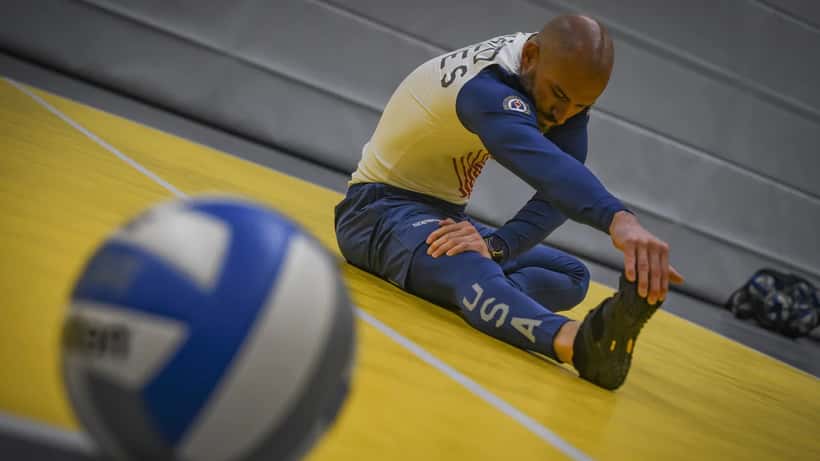
The growing body of research on adaptive sport and veteran mental health paints a compelling picture. Veterans who engage in structured physical activity — particularly in a team or competitive context — report significant reductions in PTSD symptoms, depression, and social isolation.
Key findings from international and Australian research include:
- PTSD symptom reduction: Research consistently shows that structured physical activity in a competitive or team setting meaningfully reduces PTSD symptom severity in veterans, particularly when combined with standard clinical care. DVA-funded programs have incorporated adaptive sport into veteran treatment pathways precisely because the evidence for its effectiveness is robust.
- Social reconnection: Veterans frequently cite isolation as one of the most debilitating aspects of life after service. Invictus-style competitions create peer networks of others who have shared similar experiences, reducing the psychological cost of disclosure.
- Purpose and identity: Military service provides structure, identity, and mission. Adaptive sport restores a sense of competitive purpose — something many veterans describe as missing in civilian life.
- Physical rehabilitation: For veterans with musculoskeletal injuries, adaptive sport programs often complement physiotherapy by providing motivation, goal-setting, and measurable milestones.
When Mental Health Support Goes Beyond Sport
Sport is a powerful tool, but it is not a substitute for professional mental health care. Australian veterans have access to a range of DVA-funded mental health services, and it is important to understand when professional support is the right next step.
The DVA's Open Arms program provides free counselling and mental health support to veterans and their families, with no GP referral required. Veterans experiencing:
- Persistent feelings of anxiety, hopelessness, or worthlessness
- Difficulty sleeping, recurrent nightmares, or flashbacks
- Withdrawal from family, friends, or activities that once brought pleasure
- Alcohol or substance use as a coping mechanism
- Thoughts of self-harm or suicide
...should seek professional mental health assessment regardless of their level of engagement in physical or sporting programs.
The Veterans and Veterans Families Counselling Service (VVCS), now operating under Open Arms, offers 24/7 crisis support at 1800 011 046.
What an Adaptive Sports Assessment Involves
Veterans interested in the Invictus Australia ASP pathway typically begin with a sports medicine or allied health assessment. This involves:
- Functional assessment: Evaluation of physical capacity, injury history, and movement limitations to match the veteran with appropriate adaptive sports disciplines (wheelchair basketball, swimming, athletics, rowing, archery, and others).
- Mental health screening: Many adaptive sport programs conduct baseline mental health screening to track improvements over the program's duration and to identify participants who may benefit from concurrent psychological support.
- GP or specialist referral: Veterans whose injuries require medical management alongside sport — including chronic pain, acquired brain injury, or limb difference — may be referred to specialists under DVA funding arrangements.
For veterans unsure whether they have a formal DVA entitlement for allied health or specialist services, consulting a healthcare provider or patient advocate familiar with DVA funding can clarify what is available at no cost.
Perth 2026: Why Location Matters for Veteran Health
Perth's selection as the host city for the Invictus Australia Sports Festival is strategically important. Western Australia has one of Australia's largest veteran populations relative to its size, and the state has consistently recorded some of the highest rates of veteran mental health service access. A local sporting event creates both inspiration and a practical pathway for WA veterans who might not otherwise have the means to travel to events on the eastern seaboard.
The presence of the Duke and Duchess of Sussex at the Sydney Harbour announcement also generated substantial national media coverage, which advocates note can meaningfully reduce the stigma veterans feel in seeking mental health support. High-profile moments of visibility — whether on a yacht in Sydney Harbour or at the steps of the Perth venue — help normalise the idea that struggle does not equal weakness.
What to Do If You or Someone You Know Is a Veteran Struggling
If you are a current or former Australian Defence Force member experiencing mental health challenges, the first step is to speak with a healthcare professional. GP referrals are not required to access Open Arms services (1800 011 046), and DVA-funded allied health sessions are available for eligible veterans.
For veterans who want to explore adaptive sport as part of their recovery, expressing interest in the ASP through the DVA website is the formal first step. Sports medicine professionals, physiotherapists, and psychologists who work in veteran health can help design a personalised plan that combines structured sport with any necessary clinical support.
ExpertZoom connects Australians with qualified health professionals, including those who specialise in veteran wellbeing, sports medicine, and mental health. A brief consultation can help identify the right combination of support — from adaptive sport pathways to clinical care.
For more on how sport and specialist support intersect for Australians with disabilities and performance goals, see how specialist guidance supported an Australian world record holder.
Perth 2026 is more than a sporting event. It is a signal that Australia takes its veterans' recovery seriously — and that the evidence for sport as a health intervention is strong enough to build an international festival around it.
This article is for informational purposes only and does not constitute medical advice. Veterans experiencing mental health crises should contact Open Arms on 1800 011 046 or Lifeline on 13 11 14.
