 Isabelle Torres
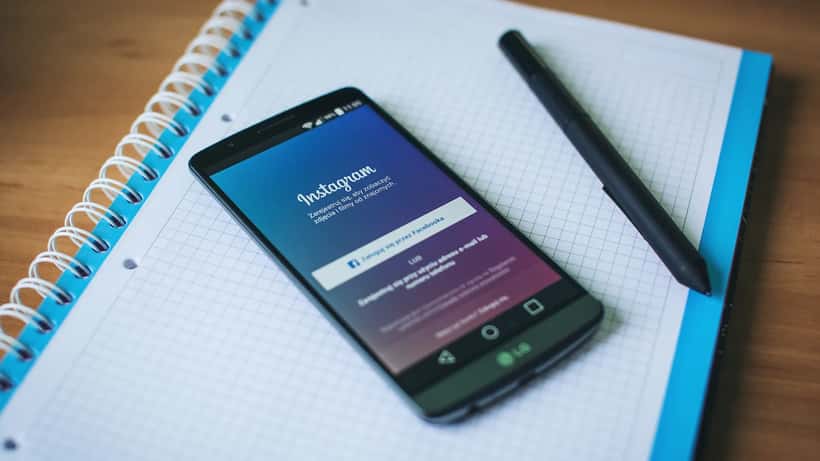
On 12 June 2026, Meta's platforms collapsed globally, locking millions of Australians out of Instagram, Facebook, WhatsApp and Messenger simultaneously. For the nation's content creators and social media-dependent small businesses, the disruption was more than a technical nuisance — it exposed a legal gap that most Australians have never been told about.
The Outage: What Actually Happened
Downdetector logged over 100,000 user reports within the first hour of the disruption. Australian users reported the same failures as people in the United States, Canada, Germany, the Netherlands, the Philippines and Türkiye: Instagram feeds refused to load, Stories went blank, Reels stalled mid-scroll, and the login page returned errors. StatusGator confirmed the incident began on 12 June 2026 at approximately 1:43 PM AEST.
Meta Ads Manager — the dashboard businesses use to monitor active advertising campaigns — showed high disruptions throughout the outage period. Digital agencies immediately advised clients to pause their live campaigns to prevent budget waste on impressions that were not being served.
Meta spokesperson Andy Stone confirmed that service restoration was underway, saying: "We're coming back, though it may take a bit of time for everything to be fully back to normal." As of midday AEST, the root cause had not been publicly disclosed.
What Meta's Terms of Service Actually Say
Every Australian who uses Instagram has agreed to Meta's Terms of Service — almost certainly without reading them. Those terms contain a provision that is highly relevant to anyone whose income depends on the platform: the service is provided "as is" and "as available," with no warranty of uptime, performance, or availability.
This is not standard practice across all technology platforms. Enterprise providers such as Google Workspace and Microsoft Azure publish Service Level Agreements (SLAs) that guarantee measurable uptime percentages and credit customers automatically when those targets are not met. Meta provides no such commitment.
There is no automatic refund mechanism for advertisers whose campaigns were disrupted on 12 June. There is no compensation process for creators who missed a contractual post deadline because the app was inaccessible. Under Meta's own terms, you agreed to this risk when you created your account.
The Australian Competition and Consumer Commission (ACCC) has flagged concerns about unfair contract terms in digital platform agreements under the strengthened provisions of the Competition and Consumer Act 2010. The ACCC's expanded unfair contract terms regime, which came into full force in late 2023, allows courts to void standard-form contract clauses that create a significant imbalance in the parties' rights — including terms that limit a platform's liability for service failures while imposing strict obligations on users.
The Gap in Your Creator Contracts
Most brand-creator agreements in Australia include delivery deadlines, content approval processes, and campaign performance requirements. What they rarely include is any provision for what happens when the platform itself goes offline.
If a creator had a paid partnership post scheduled to go live at 2:00 PM AEST on 12 June 2026, and Instagram was inaccessible at that moment, they were technically unable to fulfil a contractual obligation through no fault of their own. Without explicit protective language in the agreement, the creator carries that legal exposure.
Three clauses that every Australian influencer contract should include — and rarely does:
Force majeure language for digital platforms. Traditional force majeure clauses cover events like natural disasters and government shutdowns. Platform outages are not automatically included. The clause must explicitly name "verifiable third-party platform outages" or list specific platforms by name to provide protection.
Delivery window flexibility. A 24–48 hour reschedule right, triggered when an outage is confirmed by an independent monitoring service such as Downdetector or a platform's own status page, protects both the creator and the brand from disputes over a missed window.
Performance metric carve-outs. Reach, engagement, and conversion data captured during a verified outage period should be excluded from any campaign performance benchmarks or penalty provisions. Without this carve-out, artificially suppressed metrics from an outage could be used against a creator months later.
These are not complex provisions, but they require a lawyer who understands digital contracts to draft them correctly. Australia's social media defamation cases have repeatedly demonstrated that the courts are willing to take digital platform disputes seriously — but only when the underlying agreements give them something to work with.
What Australian Creators and Businesses Should Do Right Now
The June 12 outage is the clearest possible signal that it is time to treat your creator business with the same legal seriousness you would apply to any other commercial enterprise.
Document your losses from this outage. Capture screenshots of your Ads Manager dashboard, the Downdetector timeline for the June 12 incident, and any brand communications about delayed deliverables. This creates a contemporaneous record that may prove valuable in a later dispute.
Audit your existing brand contracts. Do they contain force majeure language? Does it specifically address platform downtime? If not, raise the issue before you sign your next agreement. Most professionally run brands will accept the addition without resistance.
Diversify your revenue channels. Every legal and financial expert in the creator economy space gives the same advice: a business entirely dependent on a single platform carries an unacceptable concentration risk. This outage is a concrete example of why.
Seek legal advice specific to creator contracts. Australia now has lawyers who specialise in influencer agreements, entertainment law, and digital intellectual property. Celebrity endorsement cases in Australia have made clear that the details of the agreement are what determine outcomes — not the intent of the parties when they shook hands. Expert Zoom connects Australian creators and businesses with qualified legal professionals who specialise in exactly this area.
A Two-Hour Warning
The Instagram outage on 12 June 2026 lasted approximately two hours. The contract vulnerabilities it revealed have existed for years — and will continue to exist until creators and their legal advisers address them systematically. The platform going down is not the risk you can control. The gaps in your agreements are.
This article provides general information only and does not constitute legal advice. For advice on your specific contracts and circumstances, consult a qualified Australian lawyer.
