 Emie Wang
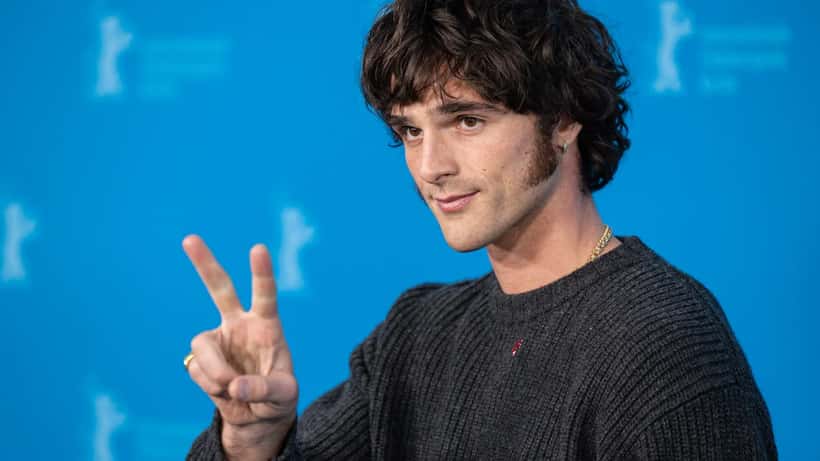
Jacob Elordi showed up to the 2026 Met Gala in RM Williams Chelsea boots, snug chinos and a striped button-up — while the rest of Hollywood interpreted the "Fashion Is Art" theme with elaborate gowns and avant-garde couture. The 28-year-old actor from Brisbane became an instant talking point online, and so did the Australian brand on his feet. Whether the look was deliberate or simply Jacob being Jacob, it raises a question that matters to every Australian business, influencer and creative. What actually counts as a celebrity endorsement, and what legal framework governs it?
Organic Alignment vs Paid Partnership: Where Does the Law Draw the Line?
The most common misconception about celebrity endorsement is that only paid deals carry legal weight. Under Australian Consumer Law, that is not the case.
If a public figure publicly uses or promotes a product — whether paid or unpaid — in a way that is likely to influence purchasing decisions, the same rules apply. If the appearance is paid for and not disclosed, the brand and the talent are both exposed to claims of misleading conduct under Section 18 of the Competition and Consumer Act 2010.
Australia's Ad Standards and consumer protection framework are clear: where there is a commercial relationship between a brand and a content creator or celebrity, that relationship must be disclosed. This applies to Instagram posts, red carpet appearances tied to brand agreements, gifted products, and long-term ambassador contracts alike.
Whether or not RM Williams had a formal deal with Elordi for the 2026 Met Gala, the scenario highlights a reality for Australian brands. The moment a celebrity wears your product publicly, you have a valuable commercial asset — and a potential legal exposure if the relationship is not documented.
What a Celebrity Endorsement Contract Must Include
For Australian businesses entering into endorsement agreements, a properly drafted contract protects both parties. A commercial lawyer specialising in brand and entertainment law will typically advise that the agreement covers:
Scope of use. What can the brand do with images and footage of the celebrity? Can they use a Met Gala photograph in advertising? On the brand's social media? In print? Without this clause, use of the celebrity's likeness without permission may infringe their image rights.
Exclusivity clauses. Is the celebrity allowed to promote competing products during the same period? A Chelsea boot brand, for example, would typically seek a clause preventing the talent from wearing or endorsing a direct competitor.
Approval rights. High-profile talent almost always negotiate the right to approve how their image is used. This can affect creative execution significantly and should be defined before signing.
Termination triggers. What happens if the celebrity faces a public controversy? A clearly defined moral clause allows the brand to end the agreement if the talent's public conduct causes reputational harm.
Compensation structure. Whether it's a flat fee, a royalty, gifted product or a combination, the payment structure should be explicit — including any GST obligations, which apply to payments made to Australian residents providing commercial services.
Image Rights in Australia: The Legal Landscape
Unlike the United States, Australia does not have a statutory "right of publicity" that gives individuals automatic control over commercial use of their name and likeness. Instead, protection for celebrities and public figures is built from several overlapping areas of law.
Trade mark registration. An individual can register their name or likeness as a trade mark in Australia, providing a clear legal mechanism to prevent unauthorised commercial use. IP Australia administers trade mark registration in Australia, with the process typically taking around seven months.
Consumer protection (passing off / misleading conduct). Using a celebrity's image in a way that implies endorsement without their consent can constitute misleading or deceptive conduct under the Competition and Consumer Act 2010 — even without a trade mark infringement.
Defamation law. In Australia, defamation protections are available to individuals (and some small businesses), and a false implication of endorsement that damages someone's reputation can give rise to a claim.
For Australian Brands: Five Steps Before Signing Any Endorsement Deal
Endorsement agreements can deliver significant commercial value. They can also expose your business to costly disputes if not structured correctly.
Define the deliverables precisely. Don't rely on "a red carpet appearance." Specify: which events, what styling approvals, what social media posts, and in what timeframe.
Get a formal licence for image use. Even if the celebrity participates in your campaign, you need an explicit licence to use their likeness. Ownership of the photograph does not give you the right to use someone's face commercially.
Disclose commercial relationships. Any paid or gifted arrangement must be disclosed clearly in any associated content. "#Gifted," "#Ad," or "#Partnership" tags are the minimum standard expected by regulators.
Register your brand. If your brand is growing, trade mark registration protects you from others attempting to ride your commercial relationship with a celebrity.
Seek legal advice before — not after. Endorsement contracts are frequently renegotiated or disputed. A commercial lawyer who specialises in brand agreements can identify the pressure points before they become problems.
For Australian Talent: Protecting Your Own Image
For Australian actors, athletes, influencers and public figures building their careers, understanding image rights is equally important. Before accepting any brand partnership — whether it's an Instagram post or a global campaign — an entertainment lawyer can help you clarify what rights you are granting, what approvals you retain, and how to protect your name and likeness from unauthorised commercial use.
Jacob Elordi's casual Met Gala look may have been nothing more than a Queenslander being a Queenslander. But in the world of brand and entertainment law, image is always commercial — and in Australia, the legal framework that governs it is more complex than most people realise.
This article is for informational purposes only and does not constitute legal advice. Consult a qualified commercial or entertainment lawyer for advice specific to your situation.
ExpertZoom connects Australians with qualified commercial and entertainment lawyers who can review endorsement agreements and advise on image rights.
