 Emie Wang
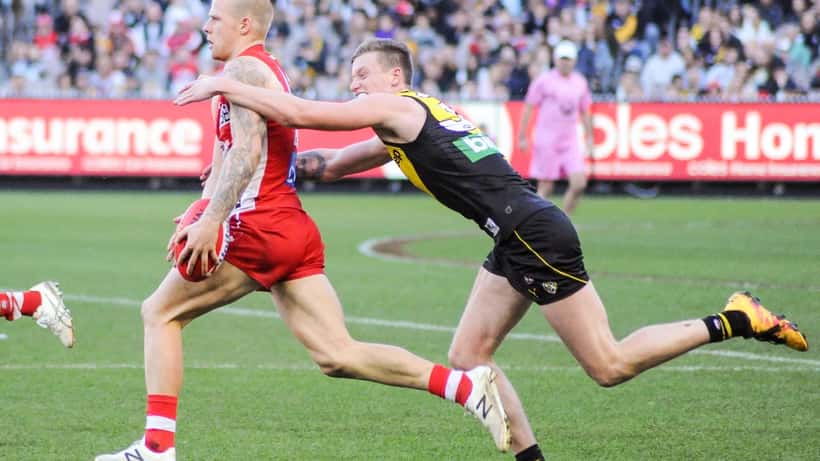
Tom Stewart is out with a calf injury. Errol Gulden won't play for Sydney. Matt Roberts is sidelined with a groin complaint. As Geelong hosts Sydney at GMHBA Stadium in AFL Round 11 on Saturday 23 May 2026, the injury toll on both sides is already significant — and Australian fans watching the ladder-leaders clash are wondering: what actually happens when an AFL player goes down?
The Round 11 Showdown With a Long Injury List
The Sydney Swans arrive in South Geelong as genuine title favourites. They are top of the AFL ladder with a 9-1 record, a percentage above 150%, and are riding a seven-game winning streak after coming from behind to beat Collingwood at the SCG. The Geelong Cats, four wins from their last five, will be looking to disrupt that momentum at home.
But the pre-match injury news has dominated the build-up. Geelong returns Mark Blicavs, James Worpel, Jack Bowes, Jake Kolodjashnij, and Rhys Stanley from rest or injury — reinforcing just how thin the margins are when the elite body is pushed across a full AFL season. For Sydney, losing Gulden — one of the competition's premier midfielders — to injury is a significant blow regardless of the result.
These names represent individual careers and livelihoods, not just match-day selections. When an AFL player is injured, the legal and insurance machinery that determines their income and recovery options is more complex than most fans realise.
AFL Players Are Employees — and That Changes Everything
Professional AFL players are not independent contractors. They are employees of their respective clubs, and that designation carries meaningful legal weight under Australian workplace law. The Fair Work Act 2009 and state-based WorkCover schemes together form the backbone of what a player is entitled to when injured in the course of their employment.
AFL player contracts are negotiated under the AFL Players Association (AFLPA) collective bargaining agreement, which includes specific provisions for:
- Income replacement during the period a player cannot perform their duties due to injury
- Medical and rehabilitation expenses covered through the club's insurance arrangements
- Return-to-play protocols mandated by the AFL's injury management framework, requiring graduated testing before a player resumes full training
However, even with these protections in place, there are significant grey zones. Pre-existing conditions, injuries sustained during private activities, and career-ending trauma all create legal complexity that a standard employment arrangement doesn't resolve neatly.
The Jurisdictional Problem Nobody Talks About
AFL clubs operate across multiple states and territories, and this creates an often-overlooked legal problem. A Geelong player injured during tonight's home game in Victoria will likely fall under WorkSafe Victoria's jurisdiction. But what about the same player injured during a Sydney away game?
According to WorkSafe Victoria, employees injured at work are entitled to lodge a workers' compensation claim — but the applicable legislation depends on where the injury occurred, not where the club is based. For a Geelong player hurt at the SCG in Round 14, the relevant jurisdiction could well be New South Wales — with meaningfully different entitlements, limitations periods, and claims processes.
There is also the question of employer negligence. Where a player can demonstrate that a club's training methods, medical decisions, inadequate warm-up protocols, or failure to manage accumulated workload contributed to their injury, a civil claim may be available separate from standard workers' compensation. This pathway is rare but is being discussed with increasing seriousness, particularly as more data emerges on cumulative injury patterns in contact sport.
The Concussion Layer
No AFL injury discussion in 2026 is complete without addressing concussion. The AFL updated its concussion management guidelines in 2025 to extend mandatory stand-down periods following head contact, responding to ongoing concerns about long-term cognitive health among former players.
For current players like those in the Round 11 Geelong-Sydney fixture, this matters in two ways. First, any player who takes a head knock during the game is subject to protocols that can end their day — regardless of perceived severity. Second, the cumulative effect of repeated concussive and sub-concussive events is now understood to pose real long-term risks.
The Australian Institute of Sport's concussion framework states clearly that anyone who suffers a suspected concussion — at any level of sport — should not return to play on the same day and must be assessed by a medical professional before resuming sport. This principle applies equally to Tom Stewart nursing a calf and to a suburban league player helped off the local ground.
What Amateur Athletes Should Know Right Now
The Round 11 injury list is front of mind for AFL fans, but the legal lessons extend to millions of Australians who play sport at amateur or semi-professional level and assume their club's insurance or their private health cover will protect them if they go down.
The reality is more layered:
- Club insurance typically covers the minimum required by the relevant sporting body — not comprehensive income replacement if you can't work for weeks or months
- Medicare and private health insurance generally cover medical treatment, but not lost wages
- Income protection insurance must be held before the injury occurs — it cannot be taken out after the fact
- Third-party claims may be available if your injury was caused by another player's reckless conduct or dangerous ground conditions
A solicitor specialising in personal injury or sports law can help you map which of these pathways applies to your specific situation — and more importantly, whether you've missed any critical deadlines.
As discussed in our recent AFL legal explainer, the concussion class action landscape is shifting the way Australian courts think about sports duty of care — and that shift has direct implications for recreational and club-level athletes, not just professionals.
When to Talk to a Lawyer
Round 11 is a reminder that AFL football — at every level — carries real physical risk. What happens after the injury whistle is blown matters just as much as what happened during the game.
Whether you are an elite player navigating a club's insurance process, or a weekend player unsure whether your knee injury qualifies for workers' compensation, a legal expert with sports and personal injury experience can:
- Assess which compensation pathway applies to your injury
- Determine whether a civil negligence claim is open to you
- Review your income protection position and identify coverage gaps
- Advise on limitations periods before they expire
This article provides general legal information only and is not a substitute for professional legal advice. Every injury situation is different — speak with a qualified solicitor to understand your specific rights.
