 Chloe Wilson
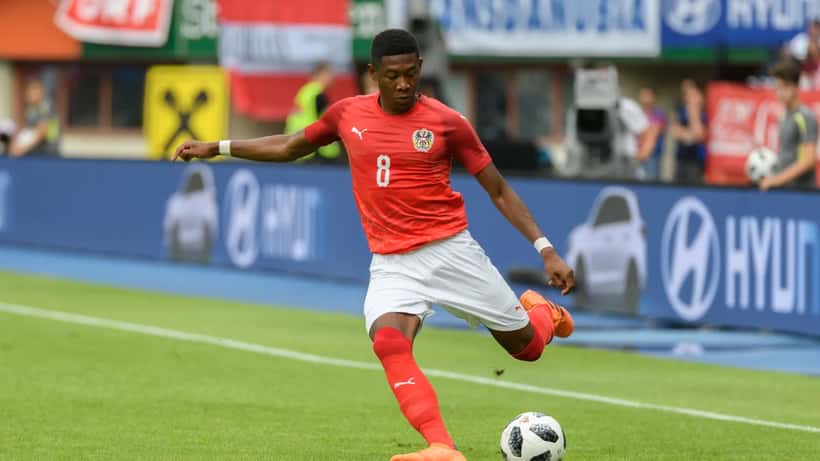
Austria captain David Alaba stepped onto the field at SoFi Stadium in Los Angeles on 2 July 2026 to face Spain in the FIFA World Cup Round of 32 — a moment that seemed impossible when he collapsed on a La Liga pitch in December 2023 with a torn anterior cruciate ligament. For the millions of Australians who suffer knee injuries each year, his journey back to elite competition holds lessons that reach well beyond the world of football.
The Injury That Could Have Ended Everything
On 17 December 2023, during Real Madrid's La Liga match against Villarreal, Alaba went down without contact, clutching his left knee. The diagnosis confirmed what many feared: a complete ACL tear requiring surgical reconstruction.
ACL tears are among the most disruptive injuries in sport. Recovery demands surgery, months of physiotherapy, and considerable psychological resilience. For Alaba, then 31 years old and one of the world's most decorated defenders, the injury raised real questions about whether his elite career could continue.
Thirteen Months on the Sideline
Alaba underwent ACL reconstruction surgery and began a rehabilitation process that lasted approximately 13 months. He returned to action on 19 January 2025, appearing in a 4–1 La Liga win for Real Madrid against Las Palmas — to a reception that underlined just how much his absence had been felt.
The journey was not without further setbacks. In April 2025, Alaba suffered a meniscus complication — a secondary injury that is more common in ACL recovery than many patients realise. The meniscus, the cartilage disc that cushions the knee joint, is frequently stressed during extended rehabilitation, and complications can extend recovery timelines significantly.
His case highlights a crucial point for anyone undergoing ACL rehabilitation: recovery is rarely a straight line. Setbacks are common and do not necessarily mean the original procedure has failed.
Austria's Historic World Cup Return
On 18 May 2026, Austria head coach Ralf Rangnick included Alaba in his 26-man squad for the 2026 FIFA World Cup in North America — Austria's first appearance in the tournament since 1998. For Austrian football, it marked a historic return after a 28-year absence. For Alaba personally, it completed one of the more remarkable rehabilitation stories in recent sport.
He played 59 minutes in Austria's opening match against Jordan, a 3–1 victory, logging one shot, three clearances, two interceptions, and a block. Every minute of those 59 represented a small victory over the injury that had threatened to end his international career.
Now Austria face Spain — one of the tournament favourites — in the Round of 32, with Alaba lining up as captain. His presence on the pitch after 13 months of rehabilitation is, itself, a story of what expert-led recovery can achieve.
What Alaba's Recovery Reveals About ACL Rehabilitation
Alaba's experience offers practical insights for everyday athletes dealing with similar injuries across Australia:
Standard timelines vary — and that is normal. Medical guidelines generally recommend 9–12 months before returning to sport after ACL reconstruction. Alaba took 13 months, with an additional meniscus setback along the way. Pushing a return before the ligament graft has fully matured significantly increases re-injury risk.
Secondary injuries are a documented complication. Meniscal damage — from either the original trauma or stress during rehabilitation — is one of the more common complications in ACL recovery. A thorough MRI assessment before and after surgery can identify pre-existing meniscal damage that may need to be addressed concurrently.
Psychological readiness is as important as physical recovery. Fear of re-injury is one of the leading barriers to successful return to sport. Working with a sports medicine specialist who addresses both the physical and psychological dimensions of recovery is associated with better long-term outcomes.
Feeling better is not the same as being ready. For recreational athletes, the temptation to return to sport as soon as the knee feels functional is real — and dangerous. Biological healing of an ACL graft continues long after pain subsides.
When to Seek Expert Help for a Knee Injury
Not all knee injuries involve the ACL, but distinguishing between sprains, tears, and meniscal damage requires clinical assessment. According to healthdirect.gov.au, Australians should seek medical attention for a knee injury when experiencing:
- A sudden "pop" or crack in the knee at the moment of injury
- Rapid swelling within 2–4 hours
- Inability to bear weight on the affected leg
- A feeling of the knee giving way or feeling unstable
- Pain or swelling that does not improve within 48 hours
Accurate diagnosis — through physical examination and imaging such as MRI — is essential before starting any rehabilitation programme. Delayed or incorrect treatment can lead to longer recovery timelines and increased long-term joint damage.
This article is for general information only. Always consult a qualified health professional before making decisions about an injury or medical condition.
Getting the Right Support in Australia
Behind Alaba's World Cup return is a team of specialists — orthopaedic surgeons, physiotherapists, and sports medicine doctors working in coordination over more than a year. The outcome was a player who not only returned to elite competition, but did so at the biggest stage in world football.
For Australians managing ACL injuries or other complex musculoskeletal conditions, access to experienced sports medicine professionals can make a decisive difference. To understand how recurring injuries affect athletes at the highest level — and what the rehabilitation process actually involves — see how injury history shapes World Cup careers.
The right specialist at the right moment can be the difference between a season-ending injury and a World Cup comeback.
