 Olivia Taylor
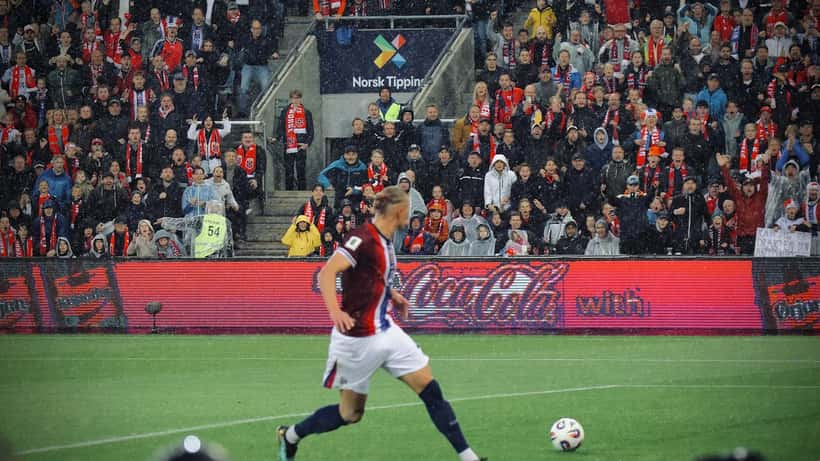
When Erling Haaland and Côte d'Ivoire captain Sébastien Haller stepped onto the pitch at AT&T Stadium in Dallas on 30 June 2026, it was 1PM local time — but for Australia's millions of football fans, the kick-off arrived at 3AM AEST. Norway's Round of 32 clash with Côte d'Ivoire is one of a series of matches this World Cup that have turned Australian living rooms into late-night vigils, and sports health professionals are now flagging a real cost.
The 3AM Match That Has Australia Talking
Norway arrived in Dallas as one of the tournament's most dangerous attacking sides, with Haaland already scoring four group-stage goals — a brace against Iraq and another two against Senegal. Côte d'Ivoire, making their first modern knockout-stage appearance at a World Cup, brought Franck Kessié and goalkeeper Yahia Fofana as their defensive backbone. The stakes could not be higher: the winner advances to face Brazil in the Round of 16.
For Australian fans, the decision of whether to watch live at 3AM, set an alarm, or wait for the replay by morning is not merely about commitment — it is increasingly a health decision.
What Sleep Deprivation Does to the Body
Losing even one night of adequate sleep triggers measurable physiological changes. According to Healthdirect Australia, adults require between seven and nine hours of quality sleep per night for immune function, mental clarity, and cardiovascular health. Disrupting that cycle — even for a single night — elevates levels of the stress hormone cortisol, slows reaction time, and reduces the effectiveness of the immune response.
For World Cup viewers, the problem runs deeper than missing hours. The adrenaline surge from watching a tense knockout match like Côte d'Ivoire vs Norway makes it physiologically harder to fall back asleep after the final whistle. The brain interprets high-intensity sporting excitement as a stress event, releasing cortisol and adrenaline that can delay sleep onset by a further one to two hours — meaning a 3AM kick-off with a 5AM finish may not translate to sleep until 6AM or later.
Research by LiveScore ahead of the 2026 World Cup found that Australian fans face some of the most demanding viewing conditions globally, with East Coast matches kicking off between 2AM and 8AM AEST throughout the tournament.
Fan Fatigue Over a Six-Week Tournament
A single late night rarely causes lasting harm in otherwise healthy adults. The health concern escalates when multiple matches per week fall in the early hours over the six-week tournament window — from 11 June to 19 July 2026.
Chronic sleep disruption, defined as consistently sleeping fewer than six hours per night for two or more weeks, is associated with elevated cardiovascular risk, reduced cognitive performance, and increased vulnerability to respiratory infections. For fans following every round of the World Cup closely, that timeline can easily stretch across the entire knockout stage.
Sports medicine professionals — including those tracking the physical demands on players in this tournament, as explored in our coverage of elite athlete recovery at the 2026 World Cup — consistently highlight sleep as the single most important recovery tool. The same neurological processes that repair a professional footballer's muscles overnight are at work protecting an Australian fan's immune system and cognitive function.
Practical Approaches for Managing the Sleep Deficit
Health professionals who work with shift workers and frequent travellers have developed strategies directly applicable to World Cup viewers.
Strategic napping: A 20-minute nap in the late afternoon before a 3AM match reduces acute sleep debt without disrupting the body's ability to sleep again after the match. Naps exceeding 30 minutes produce sleep inertia — that groggy, disoriented feeling that can persist for up to 45 minutes on waking.
Post-match screen control: The blue light from televisions and phones suppresses melatonin, the hormone that triggers sleep onset. Switching off screens immediately after the final whistle and dimming your environment shortens the time between the match ending and falling asleep — often by 20 to 40 minutes.
Fixed wake time: Regardless of when you go to bed, sleep scientists recommend maintaining a consistent morning wake time during the tournament. Varying your wake time by more than 90 minutes across consecutive days shifts your circadian rhythm progressively later — a phenomenon known as social jetlag — making subsequent nights harder to manage.
Alcohol and hydration: Beer and football are culturally paired, but alcohol disrupts the restorative phases of sleep even when it accelerates sleep onset. Fans who drink during late-night matches typically experience reduced REM sleep — the phase most critical for emotional regulation and immune recovery.
Warning Signs That Warrant Seeing a GP
Most Australians will experience moderate fatigue during the World Cup and recover within days of the tournament ending. Several symptoms, however, indicate that sleep disruption has moved beyond the ordinary.
These include persistent difficulty falling asleep even when an opportunity exists, waking multiple times during the night across more than two weeks, daytime fatigue that interferes with work or concentration, increased irritability or mood changes that are uncharacteristic, and physical symptoms such as heart palpitations or chest tightness during or after matches.
If two or more of these symptoms are present, speaking with a GP is advisable. A consultation can determine whether disruption is situational — and likely self-resolving after the tournament — or a sign of an underlying condition that the World Cup schedule has revealed. A health professional can also advise on safe short-term management strategies tailored to your situation. Platforms like Expert Zoom allow you to access a GP from home, without needing to wait for a clinic appointment.
Côte d'Ivoire's Historic Moment and What Comes Next
Beyond the health context, this match carries genuine sporting significance. Côte d'Ivoire's Round of 32 appearance represents a milestone for West African football at this World Cup. Norway's run — anchored by Haaland's four goals in three group-stage matches — marks their first deep run at a World Cup since 1998, when they reached the Round of 16 before losing to Italy.
Whichever nation advances from Dallas will meet Brazil in the Round of 16 — a fixture that will again require Australian fans to weigh their sleep health against their passion for the game.
Important: This article contains general health information only and does not constitute medical advice. If you have concerns about your health or sleep, consult a registered GP or health professional for personalised guidance.
