 Chloe Wilson
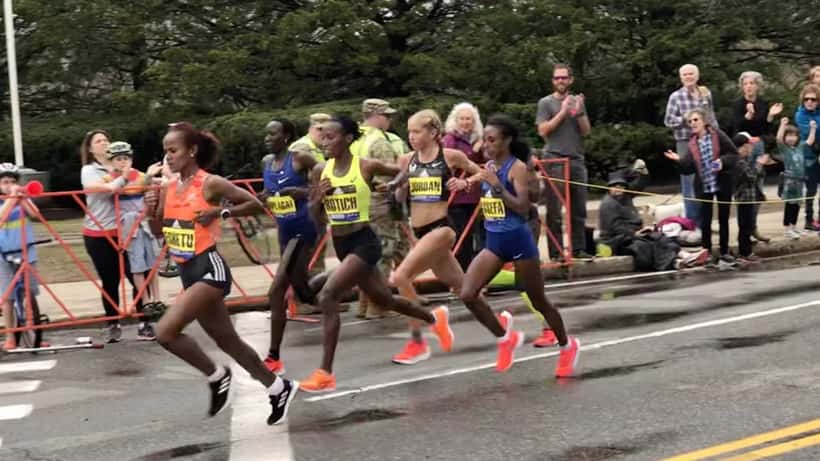
Kenya's John Korir smashed the course record at the 2026 Boston Marathon on April 20, finishing in 2:01:52 to claim his second consecutive title in front of more than 30,000 runners — including a pair of Australians from Brisbane celebrating their 50th wedding anniversary. As the post-race adrenaline fades over the coming week, doctors are urging all marathon finishers to pay close attention to their bodies and know when soreness becomes something that needs professional attention.
The 130th Boston Marathon: A Record-Breaking Day
Sharon Lokedi of Kenya won the women's race in 2:18:51, also her second consecutive Boston title, while Marcel Hug took the men's wheelchair division in 1:16:06 for a remarkable ninth win at the event. The 130th edition of the world's oldest annual marathon drew competitors from across the globe, with relatively few medical incidents reported — 18 EMS transports during the race — largely due to chilly conditions rather than serious running injuries.
Among the 30,000-plus finishers were Peter and Kerry Geraghty, a Brisbane couple aged 76 and 73 respectively, completing their first Boston Marathon together. Their achievement highlights a growing trend of older Australians taking on endurance events — and the importance of proper medical screening and recovery guidance at every age.
What Happens to Your Body After a Marathon
Marathon running places enormous physiological stress on the body. Over 80% of serious running injuries are linked to overuse — doing too much, too soon, or failing to recover adequately between training sessions and races. The most common injuries affecting distance runners include:
- Knee pain (patellofemoral syndrome and iliotibial band friction syndrome)
- Shin splints (tibial stress syndrome)
- Plantar fasciitis (heel pain, especially common in the days after a long race)
- Achilles tendonitis
- Hip pain from overloaded hip flexors and glutes
After a marathon, elevated muscle breakdown byproducts in the blood are entirely normal for seven to ten days. Your body is repairing microtears in muscle tissue and clearing inflammatory markers — a process that causes the familiar post-race soreness, stiffness, and fatigue. This is expected. What is not expected is worsening or sharp pain that doesn't follow that recovery curve.
Warning Signs That Mean You Need a Doctor
Most runners can manage general post-marathon fatigue with rest, hydration, gentle movement, and time. But certain symptoms warrant a consultation with a sports medicine doctor or specialist — and sooner is always better when it comes to running injuries.
See a doctor if:
- Any ache or pain has not improved after seven to ten days of rest
- Pain worsens rather than gradually easing
- You notice swelling, bruising, or significant heat around a joint
- You experience sharp or stabbing pain (rather than generalised muscle soreness)
- You feel chest pain, shortness of breath, or extreme fatigue that is disproportionate to your exertion
- You cannot bear weight on an affected foot, ankle, or knee
The rule of thumb from sports medicine specialists is simple: general muscle soreness is part of the process; structural or joint pain that lingers or intensifies is a red flag. Ignoring it typically leads to longer recovery times, not shorter ones.
The "10% Rule" and Other Prevention Strategies
For runners already eyeing their next event after Boston Marathon season, prevention matters as much as treatment. Sports medicine authorities recommend increasing your weekly mileage by no more than 10% per week, building in at least one full rest day, and scheduling periodic "lighter" training weeks every three to four weeks to allow full tissue recovery.
New shoes, new terrain, or a sudden spike in intensity are the three most common triggers for overuse injuries in recreational runners. Cross-training — swimming, cycling, yoga — helps maintain cardiovascular fitness while reducing cumulative load on the same joints and tendons.
For older runners in particular, recovery windows are longer and the risk of stress fractures and tendon injuries increases. A sports medicine physician can conduct a running gait assessment, identify biomechanical vulnerabilities, and design a training plan that protects you through race season.
When to Consult a Health Expert
This article provides general information only and does not constitute medical advice. If you are experiencing pain, swelling, or symptoms that concern you following a race or training session, consult a qualified healthcare professional.
The Boston Marathon inspires hundreds of thousands of Australians to take up or return to running every year. Whether you are a veteran finishing your third decade of marathons, or a newcomer working toward your first 5K, having a GP or sports medicine doctor in your corner is one of the most effective performance investments you can make.
Expert Zoom connects you with experienced health professionals across Australia who specialise in sports medicine, musculoskeletal health, and exercise physiology. If you're carrying an injury from this season's racing or want a pre-race medical check before your next event, book a consultation today.
The Better Health Channel, maintained by the Victorian Department of Health, recommends the RICE protocol (rest, ice, compression, elevation) as the first-line treatment for soft tissue running injuries — and sees a doctor if symptoms do not resolve within 48 hours for anything more than minor muscle soreness.
For more on Australian running and injury recovery, see how Jessica Hull's pursuit of a championship treble was shaped by managing overtraining.
