 Dave Campbell
The 154th Open Championship wrapped up at Royal Birkdale on 19 July 2026, and Australian golf fans who spent four days watching the world's best carve up the Southport links are now turning their attention closer to home — literally. Searches for backyard putting greens and home practice areas spike every July, and turf installers across the country report the same seasonal rush. But before you rip up the lawn to chase that Birkdale feeling, there are drainage, cost and council realities worth knowing.
The tournament itself gave plenty of inspiration. Royal Birkdale hosted its 11th Open, with a 156-player field and a reshaped back nine — the former par-3 14th was removed, the old par-5 15th shifted to become the 14th, and a brand-new par-3 15th was slotted in since the course last held the event in 2017. Watching that level of precision putting is exactly what sends weekend players looking for a way to practise at home.
Why the base matters more than the grass
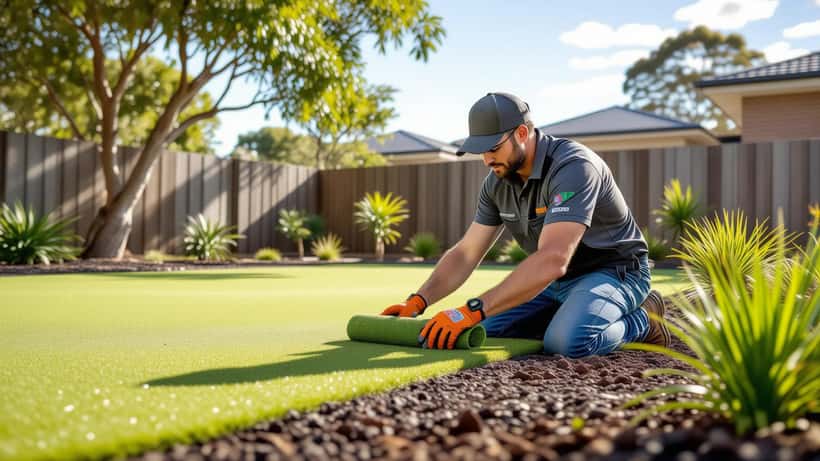
The single biggest mistake homeowners make is treating a putting green like a rug you roll out over the existing lawn. A real putting surface — even a synthetic one — is a layered system. Underneath the turf sits a compacted crushed-rock base, usually 75 to 100 millimetres deep, graded to shed water and hold a true, ball-rolling surface.
Skip that base and two things happen. First, the green develops soft spots and dips within a season as the soil beneath settles unevenly. Second, water pools instead of draining, leaving a soggy, algae-prone surface that plays nothing like a real green. Getting the fall right — typically a gentle slope of around one to two per cent — is the difference between a green that rolls true and one that becomes an expensive eyesore.
This is where a professional landscaper earns their fee. Laser-levelling a base, compacting it in layers and setting the correct drainage fall are not weekend-DIY skills for most people. A poorly installed green is not just disappointing; it can channel water toward your home's foundations or a neighbour's fence line.
The council rules you cannot ignore
Here is what the golf broadcasts never mention: there is no single national rule on synthetic turf in Australia, but a growing patchwork of local council controls. Several councils — including Subiaco and Fremantle in Western Australia — limit or disallow synthetic turf on verges and other council-controlled land. The City of Gold Coast has a long-standing position that synthetic turf is not permitted on road verges, and Melbourne's Maribyrnong City Council has used planning controls to restrict synthetic grass in visible public settings.
The bigger issue for a backyard green is permeability. Many councils require that a portion of your site remain permeable so rainwater can soak into the soil rather than run straight into the stormwater system. Central Coast Council, for example, publishes guidance on managing stormwater on private property, and similar controls appear in development plans across the country. Cover too much of your block with impermeable underlay and you may breach site-coverage limits — or create a runoff problem you become liable for.
There is also an environmental catch. Artificial turf fibres shed microplastics as they wear under UV, foot traffic and cleaning, and those fragments can wash into drains and waterways without proper edge containment. A qualified installer will build in permeable drainage and edging that keeps you on the right side of both the rules and the environment.
What it costs and when to call a professional
Budgets vary widely with size and site conditions. A small chipping-and-putting area might start in the low thousands, while a larger, contoured green with multiple holes and a fringe can run well beyond that once excavation, base material, quality turf and infill are factored in. The cheapest quotes almost always cut the base — the one layer you should never economise on.
A licensed landscaper or synthetic-turf specialist can assess your soil, existing drainage and slope before a single sod is lifted. They will also know which local planning controls apply to your street, which saves you from a costly redo if a council inspector takes issue later. If your green sits near a boundary, a retaining structure or your home's slab, the case for professional advice is even stronger.
On the plus side, a well-built synthetic green needs no watering to stay green — a genuine advantage under Australia's recurring water restrictions — and only the occasional rinse to keep it clean. That low-water appeal is a big reason the surfaces keep gaining ground despite the council scrutiny.
The smart way to chase the Birkdale feeling
The pros at Royal Birkdale make it look effortless, but their greens are the product of expert groundwork — and yours should be too. Before you commit, get a proper site assessment: soil type, drainage fall, permeability requirements and a realistic budget that funds the base, not just the pretty top layer.
If you are weighing up a backyard green, connect with a qualified landscaping or home-improvement expert on Expert Zoom. A short consultation to review your yard, local council rules and drainage can save you thousands and deliver a surface that actually rolls like the real thing — long after the Claret Jug leaves Southport. For the on-course side of your game, our guide to golf tech and rangefinders covers the gadgets amateur Australians actually use.
