 Emie Wang
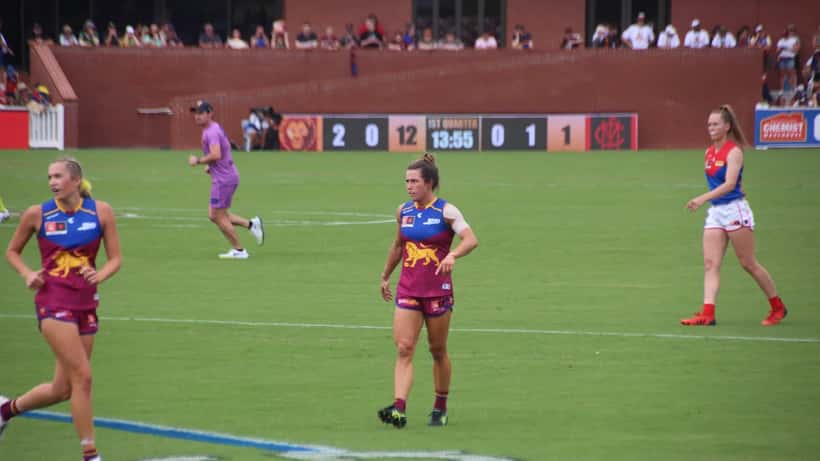
The 2026 NAB AFLW season kicked off on 8 August with a landmark double-header at Marvel Stadium, but for the more than 900 contracted players across 18 clubs, the bigger game has already been played off-field. The sport's new Collective Bargaining Agreement, ratified earlier this year, rewrites the rules around multi-year contracts, pregnancy protections, and minimum pay — changes that sports employment lawyers say many players are still only beginning to understand.
A New Landscape for Women in Professional Football
AFLW entered its tenth season with the strongest player protections in the competition's history. Under the 2026 CBA, a Tier 4 entry-level contract now guarantees $70,030 per year — up from approximately $54,000 under the previous agreement, a 29 per cent increase negotiated by the AFL Players' Association. More significantly, clubs can now offer multi-year contracts as standard practice, mirroring the arrangement that has long been available to AFL men.
The CBA also introduces a 12-month pregnancy policy effective from six weeks before a player's due date. Under this provision, a player's contract pauses rather than terminates during pregnancy and the post-birth period, preventing clubs from using physical unavailability as grounds for delisting. According to the Fair Work Ombudsman, employment provisions that explicitly protect pregnant employees reduce the gender pay gap and improve workforce retention — precisely what AFLW's updated terms are designed to achieve.
Three rounds into the 2026 season, the practical impact of these changes is filtering through club legal and medical departments. Player managers and sports lawyers are fielding a surge of enquiries from players who signed contracts before fully understanding their new entitlements.
What Legal Experts Are Saying About the CBA
Sports employment lawyers note that while the headline pay increases attract most attention, the structural changes around contract duration are the more transformational element. Multi-year deals were the exception in AFLW; they are now the standard option — and that shift fundamentally alters a player's negotiating position.
The new agreement also equalises relocation and travel benefits between AFL and AFLW players who move interstate. Previously, a woman drafted by a club in a different state could find herself bearing costs that a male counterpart would have covered. Under the 2026 CBA, that disparity is formally addressed — though sports lawyers caution that practical implementation varies considerably by club.
The pay gap between AFL men and AFLW remains substantial. The average AFL men's salary is roughly $430,000 per year; the AFLW average sits near $70,000. Even at Tier 1, the highest AFLW bracket, annual earnings fall well short of the men's base contract. Legal advocates frame this not merely as an equity issue but as a contract negotiation problem — one that specialist lawyers are positioned to address clause by clause. Research published by the Australian Sports Commission confirms that professionalisation and structured pay increases are the primary mechanisms for closing the gender wage gap in team sport.
The Fine Print: Clauses Players Often Overlook
The AFLW standard player agreement runs to dozens of pages. Key provisions that players routinely underestimate include:
Delisting notice periods. Clubs must give specified notice before terminating a contract, but the required window is shorter for Tier 4 players than for higher-tier contracts. In practice, a Tier 4 player on a one-year deal may receive as little as four weeks' notice before the end of her contract — less financial runway than most players expect.
Image rights clauses. The 2026 CBA clarifies that clubs do not automatically own a player's personal brand. Players retain the right to negotiate independent sponsorships, provided those arrangements do not conflict with club or league commercial agreements. However, the exact scope of "conflict" is often drafted broadly by clubs, and players who don't seek independent advice may unknowingly sign away income from their own social media channels or personal partnerships.
Training load and rehabilitation provisions. A player who suffers injury during club-directed activities is entitled to financial support during rehabilitation, but the specific caps and durations depend on tier and contract length. Misunderstanding these provisions has led to disputes in at least three AFLW clubs over the past two seasons.
As one Melbourne-based sports employment lawyer noted to clients last month, reviewing contracts before signing means identifying what's missing as much as what's present — default CBA terms do not automatically fill every gap a club leaves silent.
See how comparable contract rights apply in the men's competition at Expert Zoom: Callum Mills' Swans Apology Reveals the Hard Truth About Player Employment Rights.
Zoe's Case — What a Two-Year AFLW Deal Actually Changes
Consider the situation of a 22-year-old midfielder from regional Victoria — call her Zoe — signed to a Tier 3 AFLW contract for two seasons beginning in Round 1, 2026. Her base salary is $87,500 per year, placing her in the middle bracket of the new pay structure.
Under the old one-year model, a significant hamstring tear in Round 4 would trigger a rehabilitation clause capped at her weekly rate for up to 16 weeks, after which the club could simply choose not to renew her contract without further obligation. Total at-risk income loss in that scenario: up to $43,750 in earnings from the unrealised second year.
Under the new two-year arrangement, the calculation changes materially. The same injury now entitles Zoe to full salary continuation through Season 1's rehabilitation period, and the club must formally negotiate — rather than silently decline — extension into Season 2. If she falls pregnant during Season 1, her contract pauses from six weeks before her due date and resumes when she is medically cleared to return. No contract years are lost to the pregnancy period.
If Zoe had engaged a sports employment lawyer before signing, she could have sought two additions not present in the standard form contract: a $7,500 signing bonus (common in similar-tier deals that players negotiate individually) and a carve-out for her existing partnership with a regional fitness brand worth approximately $4,200 per year. Over two seasons, those additions represent an additional $15,900 in income — an 18 per cent increase on what the standard form alone would have provided.
The lesson is arithmetically simple: contract review costs a few hundred dollars per hour. The potential difference in total earnings across a two-year contract can be ten to fifteen times that cost.
Know Before You Sign — Practical Steps for AFLW Players in 2026
Players approaching their first or renewed AFLW contract this season should act well before clubs impose deadlines:
Request the full contract text at least ten business days before signing. This includes the standard agreement and any club-specific addenda. Rushed signings are the most common cause of unfavourable terms.
Identify your CBA tier and verify the matching entitlements. Confirm that the base salary, delisting notice period, relocation support, and rehabilitation caps match the published 2026 CBA rates. Fair Work Australia provides minimum employment conditions that apply even where CBA terms are silent.
Clarify image rights before signing. If you have any existing sponsorship, commercial partnership, or social media following above 5,000 followers, ask for a specific carve-out. Without one, a broadly worded commercial clause may restrict that income for the duration of your contract.
Ask for the pregnancy policy in writing and specific to your tier. The CBA establishes the baseline, but implementation varies between clubs. Get clarity in writing before the contract is executed, not after.
Seek independent legal advice. The AFL Players' Association provides general guidance, but their mandate covers the full playing list. A specialist sports employment lawyer acts solely for you, which changes the advice you receive.
Finding the right adviser matters. General employment lawyers may be unfamiliar with AFLW's tribunal processes, CBA-specific provisions, or image rights in professional sport. Expert Zoom's Legal category connects players, agents, and families with sports employment specialists who can review agreements, identify clause risks, and negotiate on behalf of their clients — before Round 1 forces a signing decision.
This article is for informational purposes only and does not constitute legal advice. Players and their representatives should consult a qualified sports employment lawyer before signing or renegotiating a contract.
