 Olivia Taylor
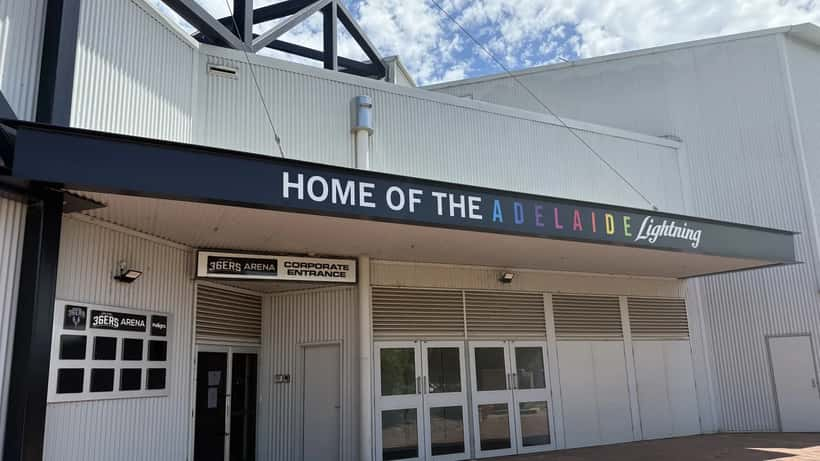
Round 4 of the 2026-27 NBL season brings the Adelaide 36ers and Melbourne United to Hindmarsh on 7 October 2026 — one of the biggest home fixtures on the 36ers' calendar. But every time the NBL tips off a blockbuster round, something predictable happens off the court: Australians pull on their sneakers, head to their local competition or the neighbourhood court, and start imitating their favourite players. And that's when the injuries begin.
According to the Australian Institute of Health and Welfare, basketball accounts for roughly 2,900 hospitalisations in Australia each year. Around 1.0 million Australians aged 15 and over play the sport regularly. The problem is that most recreational players treat injuries the way they treat a bad cold: wait it out, ice it, and hope it disappears. Any health professional will tell you that approach costs far more in the long run than a timely consultation.
Health note: this article provides general information only and does not constitute medical advice. If you are concerned about an injury, seek assessment from a registered health professional.
Why the NBL Season Drives a Surge in Recreational Injuries
There is a well-documented pattern in sports medicine: participation in a sport spikes in the weeks following a major televised event. The AFL grand final sends people to oval kick-about sessions. The Open sends them onto tennis courts. NBL fixtures — especially marquee matchups like Adelaide 36ers vs Melbourne United — send Australians to their local basketball clubs and public courts in higher-than-average numbers.
The 2026-27 season has already generated significant excitement. Joe Ingles returned to the NBL for the first time since 2009, and the competition launched with 13 games across nine nights in late September 2026. The event drew considerable media coverage and social chatter, which directly correlates with a seasonal spike in recreational play. By Round 4, participation typically sits at its peak for the early season — and so does the injury count in local gyms and community courts across South Australia and Victoria.
The data is consistent. The 15–19 age group records the highest number of basketball-related hospital admissions in Australia — 760 cases annually. But adults aged 20–39, the recreational cohort who played through school and return for social competition on Thursday or Friday nights, represent the fastest-growing share of basketball-related emergency presentations. Many of them walk off an injury in Round 1 and spend Round 4 dealing with something far worse.
The Injuries That Professionals Take Seriously (That Amateurs Routinely Ignore)
Ankle sprains account for approximately 25 per cent of all basketball injuries. They look mild — a rolled ankle, a stumble mid-drive — but beneath the surface, they can represent anything from a stretched ligament to a partial or full tear. A grade 2 or grade 3 ankle sprain, improperly managed, can destabilise the joint for years.
ACL tears are less common — 0.07 injuries per 1,000 male athlete-exposures, 0.20 for females, according to a 2024 systematic review — but carry significantly higher costs in treatment and recovery. The mechanism is often identical to a rolled ankle: a sharp lateral pivot, a poor landing, or contact mid-air. Without imaging, a recreational player cannot distinguish one from the other.
There is also the broader category of overuse injuries that develop across a season rather than in a single moment: stress fractures in the foot, patellar tendinopathy ("jumper's knee"), and shoulder strain from repeated overhead shooting. These are routinely dismissed as soreness, right until they become season-ending. Research published in sports medicine literature shows that ankle braces alone reduce sprain recurrence risk by up to 71 per cent — but only when the initial injury has been properly assessed to determine ligament damage grade. A brace worn on an unassessed grade 3 sprain masks a structural problem rather than managing it.
What Happened When Mark Ignored His Post-Game Ankle
Mark is 34, plays in a social competition at his Adelaide suburb's recreation centre on Thursday nights, and rolled his right ankle during a crossover drive three weeks before Round 4. The ankle swelled quickly, he sat out the second half of the game, applied ice for two days, and returned to play the following week.
He did not see a specialist.
By Round 4 week, the ankle was swelling again after every session. The original injury — unassessed and untreated beyond rest and ice — was a grade 2 lateral ligament sprain. Under standard Australian sports physiotherapy protocols, a grade 2 sprain requires 3 to 6 weeks of structured rehabilitation: proprioceptive retraining (balance and joint-position training), progressive load management, and a graduated return-to-sport plan. The typical cost for an initial physiotherapy assessment plus two follow-up sessions: between $160 and $280, depending on location and Medicare bulk-billing eligibility.
Without that intervention, the numbers shift dramatically. An untreated grade 2 sprain carries a 70–80 per cent recurrence rate within the same season, according to Australian Institute of Health and Welfare injury data. A second injury to already-weakened ligaments commonly escalates to a grade 3 tear, which may require surgical reconstruction costing $8,000–$15,000 out of pocket in Australia, plus 9 to 12 months off sport.
The if/then logic here is concrete: if a basketball injury causes significant swelling within two hours, bruising extending below the ankle, or inability to bear weight for more than 20 minutes, then imaging and specialist assessment are warranted within 24–48 hours — not after two more Thursday night games. Mark's initial $200 assessment would have changed everything that followed.
The Four Signs That Mean You Need a Specialist, Not Just Ice
Sports physiotherapists and GPs use the Ottawa Ankle Rules to determine when imaging is required after an ankle injury. The underlying logic applies equally to any recreational player:
- Bone tenderness along the posterior edge of the fibula — pain on pressing the back of the outer ankle bone, distinct from general soft-tissue soreness.
- Inability to bear weight — if you cannot take four steps immediately after the injury, regardless of pain level, that is an imaging indicator.
- Swelling that peaks within two hours, rather than the 12–24-hour window typical of soft-tissue sprains.
- Mechanism involved another player — collision injuries to the knee or ankle carry significantly higher ACL and bone fracture risk than non-contact rolls.
Beyond ankles: any knee injury that produces locking (inability to fully straighten), giving way without warning, or visible swelling inside the joint warrants specialist assessment rather than rest-and-ice. The key distinction is structural versus soft-tissue, and that distinction requires clinical eyes. Recreational players who understand the relevant warning signs avoid the most damaging pattern in amateur sport: playing through an injury that a one-hour consultation would have resolved.
Injuries at the elite level receive immediate physiotherapy attention — as illustrated in coverage of NBA stars navigating season-long injury management — but community players rarely have the same access or instinct to seek help promptly.
What to Do Before You Lace Up Next Week
The NBL season runs to 36 rounds plus finals, which means months of opportunity for recreational players around Adelaide, Melbourne, and every Australian capital to be inspired back onto the court. That's good for physical fitness, social connection, and community health. The injury risk is real but manageable — if it is addressed early.
The gap most recreational players fall into is not ignorance. It's uncertainty about whether their injury warrants professional assessment or just a few days off. That question is precisely what a brief health consultation answers. A registered physiotherapist, GP with a sports medicine specialisation, or orthopaedic consultant can tell you within a single session whether you are managing a minor sprain, a ligament tear, or a structural injury that needs a different plan entirely.
If you are currently managing a basketball injury from a recent game, or you have been dealing with recurring ankle or knee pain without a formal assessment, connecting with a qualified health professional is the clearest next step. Don't let an evening at Hindmarsh turn into a season on the sideline.
