 Charles Jackson
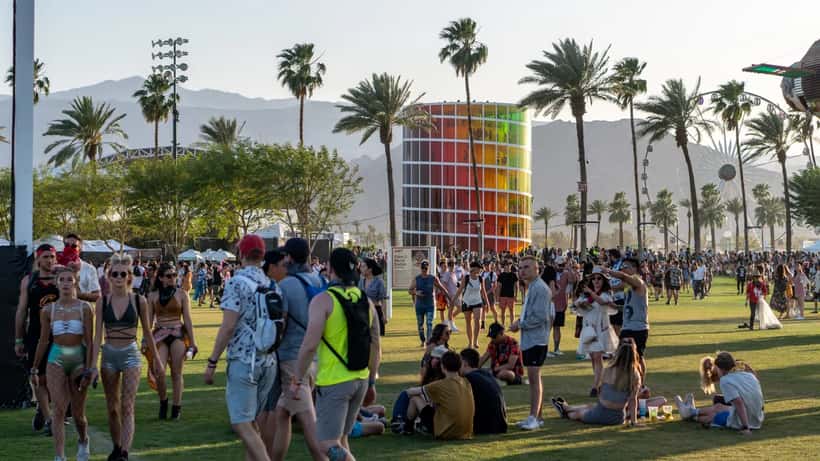
Coachella 2026 is underway this weekend — and so are the ticket scams targeting fans hoping to catch Taylor Swift in the crowd alongside headliners Sabrina Carpenter and Justin Bieber.
Coachella Ticket Scams Hit Hard as Festival Opens
As the Empire Polo Club in Indio, California, welcomed its first wave of attendees on April 10, 2026, reports quickly emerged of fraudulent ticket purchases leaving fans stranded at the gates. StubHub account hacks, fake resale listings on social media, and counterfeit wristbands were among the most common complaints. In a high-profile development, StubHub agreed in April 2026 to refund $10 million to consumers over deceptive ticket pricing practices — a settlement reached with the Federal Trade Commission.
According to industry data, one in three Americans has fallen victim to a ticketing scam. The average loss per incident now stands at $303. With Taylor Swift spotted attending Coachella this weekend to support close friends Sabrina Carpenter and Sombr, demand for last-minute resale tickets surged — and so did fraud.
Taylor Swift has never headlined Coachella's main stage, but her mere presence at the festival drove massive search traffic and renewed interest in last-minute tickets. Scammers exploited that attention aggressively.
Why Concert Ticket Scams Are So Pervasive
The secondary ticket market generates more than $15 billion annually in the United States. That enormous volume — combined with the urgency fans feel when trying to attend sold-out events — creates a perfect environment for fraud.
Scammers operate primarily through:
- Fake social media listings: Counterfeit tickets sold via Facebook Marketplace, Instagram DMs, or X (formerly Twitter)
- Phishing websites: Sites designed to look like AXS.com (Coachella's official ticketing partner) or well-known resellers
- Account hacking: Legitimate StubHub or Ticketmaster accounts are compromised; real tickets are resold under false pretenses to multiple buyers
- Bait-and-switch pricing: Tickets advertised at face value with hidden service fees only revealed at checkout
Taylor Swift and Sabrina Carpenter were identified as the most targeted artists for impersonator scams in 2025, with fraudulent schemes linked to their names generating an estimated $5.3 billion in losses combined.
What Federal Law Says About Ticket Fraud
The Better Online Ticket Sales (BOTS) Act is a federal law that prohibits using automated software to circumvent ticket purchase limits or security measures. Violators face fines of up to $16,000 per infraction, enforced by the FTC. State attorneys general can pursue additional penalties.
A new FTC rule on deceptive fees, which took effect in May 2025, requires any business selling live event tickets to display the total price — including all mandatory fees — upfront and prominently. Bait-and-switch pricing is now explicitly illegal.
If you bought tickets to a live event and were defrauded, federal consumer protection law entitles you to a full refund in several situations:
- The tickets were counterfeit or fake
- The event was canceled without a refund offer
- The tickets did not match the seller's description
- The tickets were not delivered before the event date
- You were shown incomplete pricing before purchase
These protections apply whether you bought through a major resale platform or a private seller.
What to Do If You've Been Scammed
Step 1: Contact your payment provider. Credit card companies and PayPal both offer buyer protection for fraudulent transactions. File a dispute immediately — the sooner you act, the better your chances of recovery.
Step 2: Report the fraud. The FTC operates a dedicated consumer fraud reporting portal at reportfraud.ftc.gov. Reports to the FTC feed into the Consumer Sentinel Network, which is used by law enforcement agencies across the country to identify and prosecute fraud rings. You should also file a complaint with your state's attorney general.
Step 3: Contact the platform. If the scam happened through StubHub, SeatGeek, or another resale platform, file a formal dispute with their customer service. Most major resale platforms have buyer guarantee policies that cover counterfeit tickets.
Step 4: Consult a consumer rights attorney. If you lost a significant amount — common in cases involving premium VIP packages or floor seats — a lawyer specializing in consumer protection can advise you on civil remedies. Some attorneys take these cases on contingency, meaning you pay nothing unless you win.
How to Buy Concert Tickets Safely
The safest approach is always to buy directly from the official source. For Coachella, that means AXS.com. For most major concerts and sporting events, that means Ticketmaster or the venue box office.
If you need to use the secondary market:
- Stick to established platforms that offer explicit buyer guarantees (StubHub, Vivid Seats, SeatGeek)
- Avoid any transaction that asks for Venmo, Zelle, cryptocurrency, or gift card payment
- Verify the seller has reviews and a transaction history before completing a purchase
- Be skeptical of prices significantly below market value — counterfeit tickets are often sold cheaply to move quickly
Never buy concert tickets from Facebook Marketplace, Craigslist, or social media DMs. These channels offer no recourse and are the top source of fake ticket fraud in the US.
The Expert Zoom Angle: When to Call a Lawyer
Most ticket scam victims assume they have no recourse beyond disputing the credit card charge. That's rarely true. A consumer protection attorney can review your case and determine whether you have grounds for civil action — particularly if a seller misrepresented the tickets, sold the same tickets to multiple buyers, or operated a coordinated fraud scheme.
If you paid by credit card and the issuer refuses your dispute, a lawyer can also advise on next steps including small claims court or a formal complaint to the Consumer Financial Protection Bureau.
Concert ticket fraud is not a minor nuisance — it's a federal crime with real remedies. If you were scammed at Coachella 2026 or another event this year, you have more options than you may realize. An experienced consumer rights attorney can help you understand them.
Legal disclaimer: This article provides general information about consumer protection law and is not legal advice. For advice specific to your situation, consult a licensed attorney.
