 Odette Caplan
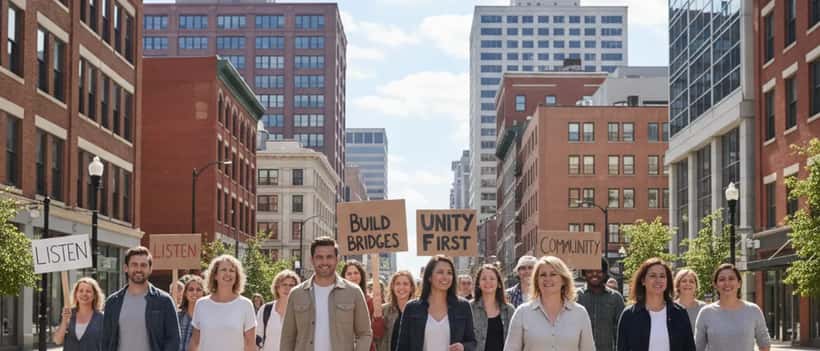
More than 3,000 "No Kings" protests are scheduled across the United States on March 28, 2026 — set to be among the largest coordinated demonstrations in American history. Organized by Indivisible, the ACLU, and hundreds of local groups, the marches respond to recent immigration enforcement actions and what organizers describe as executive overreach.
As millions of Americans prepare to exercise their First Amendment rights, one question is becoming increasingly urgent: what are your legal rights as a demonstrator — and what happens if those rights are violated?
What Is the No Kings Movement?
The March 2026 No Kings protests are a coordinated series of peaceful demonstrations taking place on March 28 in all 50 states. The movement gained momentum following a series of highly publicized ICE enforcement incidents, including the deaths of three individuals during immigration operations that sparked national outcry.
With over 300 events planned in California alone and dozens more in Connecticut, Washington State, Illinois, and beyond, legal experts and civil rights organizations are urging participants to know their rights before they march.
Your Constitutional Rights at a Protest
1. The First Amendment: What It Actually Protects
The First Amendment protects your right to peacefully assemble and petition the government. This means:
- You can march on public sidewalks, streets (with permits), and in public parks
- You can chant, hold signs, and distribute literature
- You can film police officers performing their duties in public — this is explicitly protected
What is NOT protected: blocking traffic without authorization, trespassing on private property, or inciting imminent violence. The distinction between protected expression and unlawful conduct is where most legal complications arise.
2. Do You Need a Permit?
It depends. In most cities, spontaneous protests triggered by breaking news do not require permits. Planned marches — especially those using streets or expecting large crowds — typically require a permit from the city or county.
For the March 28 events, most major organizers have already obtained permits. Check with your local event organizer before showing up. Participating in an unpermitted march is not automatically illegal, but it can expose you to dispersal orders and misdemeanor charges.
3. What Happens If Police Tell You to Disperse?
Law enforcement can issue a lawful dispersal order if a protest becomes unlawful — typically because of violence, property destruction, or unpermitted assembly in a restricted area. If you receive a dispersal order:
- You are legally required to leave the area within the specified timeframe
- Failing to comply can result in arrest for "failure to disperse" — a misdemeanor in most states
- If you believe the order is unlawful, you can comply and challenge it legally afterward. Do not argue in the moment.
4. If You Are Arrested
Being arrested does not mean you are guilty of a crime. If detained or arrested at a protest:
- Remain calm. Do not resist, even if you believe the arrest is unlawful.
- Invoke your right to remain silent: "I am invoking my right to remain silent and my right to an attorney."
- Do not consent to searches: You can clearly say "I do not consent to a search."
- Write down badge numbers and the names of any witnesses if possible.
- Contact a lawyer as soon as possible — ideally one you have identified in advance.
The National Lawyers Guild operates a federal repression hotline at 212-679-2811 for free, privileged consultation. The ACLU also provides a "Know Your Rights" training on March 23, 2026, ahead of the marches.
5. Federal Agents and Enhanced Risk in 2026
The current political climate has elevated certain legal risks that did not exist at previous protest cycles. In particular:
- Federal agents (FBI, DHS, ICE) have different jurisdictional authority than local police
- Participation in certain protests has been cited by federal authorities in immigration proceedings
- Social media posts can be used as evidence — be mindful of what you share publicly
This does not mean you should not exercise your rights. It means you should do so with awareness.
What Rights Do You Have If Federal Law Is Violated During a Protest?
If your constitutional rights are violated by law enforcement — excessive force, unlawful arrest, illegal search — you have legal recourse:
- Section 1983 claims against state and local officers for civil rights violations
- Bivens claims against federal officers in some circumstances
- ACLU legal support for documented civil rights violations
These cases require prompt documentation. If you witness or experience a rights violation: photograph, write down details immediately, and contact a civil rights attorney within days of the incident.
Practical Preparation Before March 28
Legal experts recommend:
- Write a lawyer's phone number on your arm (in permanent marker) — don't rely on your phone if it's confiscated
- Leave IDs and unnecessary documents at home — bring only what you need
- Dress for identification challenges — solid colors rather than face-obscuring clothing help demonstrate peaceful intent
- Identify your local legal observer — the NLG deploys observers in green hats at major demonstrations
- Know your city's specific rules — permit status, designated routes, local ordinances
Legal Disclaimer: This article provides general legal information and does not constitute legal advice. Laws vary by jurisdiction. Consult a qualified attorney for guidance specific to your situation.
When to Consult a Lawyer
If you are arrested, cited, or experience a rights violation at a protest, consulting an attorney quickly matters. Evidence preservation windows are short, and early legal advice can significantly affect outcomes. Employment law attorneys should also be consulted if your employer takes adverse action against you for off-duty protest participation — in many states, this is prohibited.
ExpertZoom connects you with qualified attorneys available for online consultation, including same-day appointments for urgent situations. Whether you face an unlawful arrest, employment retaliation, or a civil rights violation, having legal counsel ready before March 28 is the smartest preparation you can make.
The right to protest is one of America's most fundamental protections. Exercising it with legal knowledge is the smartest way to make your voice heard — and protect yourself while doing so.
