 Adam Rafael
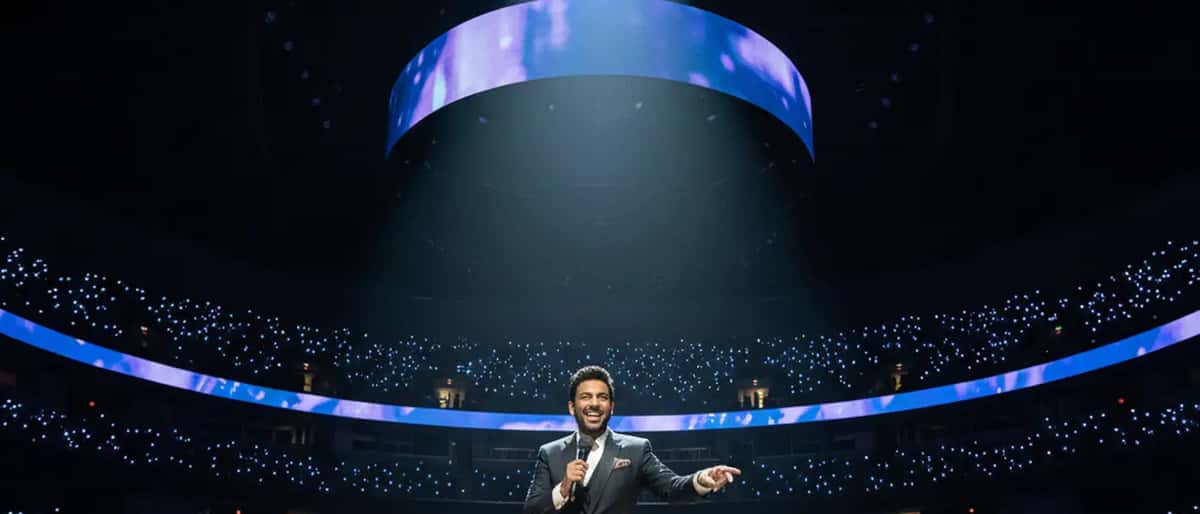
Comedians Jo Koy and Gabriel "Fluffy" Iglesias made history on March 21, 2026, becoming the first stand-up performers to completely sell out SoFi Stadium in Los Angeles for their co-headlined "One Night Only!" show. The 70,000-seat venue, typically reserved for Super Bowls and major concerts, saw over 70% of tickets disappear within days of the announcement — marking an unprecedented milestone for live comedy.
The achievement represents more than a box-office record. For performers at this level, the psychological pressure accompanying such massive success creates challenges that extend far beyond stage fright. Performance psychologists increasingly recognise that career peaks often coincide with intense psychological strain — a reality affecting not just entertainers but anyone in high-stakes professional environments.
Breaking New Ground in Live Comedy
The March 2026 show featured several firsts for the comedy world. Neither Jo Koy nor Gabriel Iglesias had previously co-headlined together, making the partnership itself newsworthy. SoFi Stadium officials confirmed that no comedian had ever sold out the venue before this event, positioning the performance as a watershed moment for the industry.
Production elements reflected the scale of the undertaking. The show included a custom introductory video, surprise special guests whose identities remained closely guarded until show night, and a stage three times larger than either comedian typically uses on tour. These logistical demands alone translate to significant mental load for headliners managing every detail of the experience.
The timing coincided with another major career development for Jo Koy, who recently joined the cast of DreamWorks Animation's upcoming film "Forgotten Island." Balancing multiple high-profile projects while preparing for a stadium show amplifies the pressure performers face during peak career moments, according to Variety.
The Hidden Weight of Success
Sports psychology research offers relevant insights into what performers experience at this level. Studies on elite performers consistently find that career peaks coincide with elevated rates of imposter syndrome — the persistent belief that one's success is undeserved despite objective evidence to the contrary. Among entertainers specifically, the disconnect between external validation and internal confidence can be particularly acute.
Jo Koy has spoken publicly about personal struggles throughout his career, including difficult periods that tested his resilience. Comedy provides an outlet for processing life experiences, but performing that material for 70,000 people creates a unique psychological dynamic. The performer must balance authenticity with entertainment, vulnerability with confidence — all while managing the awareness that an enormous audience has paid significant money based on specific expectations.
Performance anxiety at this scale differs qualitatively from typical pre-show nerves. Clinical psychologists who work with performing artists describe what some call "success anxiety" — where fear of disappointing an audience or failing to meet one's own elevated standards can be more debilitating than fear of the performance itself.
Burnout Risk in High-Achievement Environments
The comedy industry's demands have intensified considerably in recent years. Successful comedians now manage touring schedules, streaming specials, podcasts, social media presence, and increasingly, crossover projects in film and television. This diversification creates opportunities but also fragments focus and energy in ways that can accumulate over time.
Gabriel Iglesias, known professionally as "Fluffy," has built a career on relatability and consistent output spanning decades. Maintaining that consistency while scaling up to stadium performances requires sustained energy that can quietly deplete psychological reserves. Burnout among high-performing entertainers often manifests not during the climb to success but after major achievements — when the pressure to maintain or exceed that level becomes the new baseline.
Research from the American Psychological Association indicates that professionals in performance-based careers face unique chronic stressors. The lack of predictable schedules, constant travel, and public scrutiny combine to create conditions associated with elevated cortisol levels and disrupted sleep. These physiological effects compound over time, affecting mental health and physical wellbeing in ways that external success can mask.
Lessons for Anyone Who Performs Under Pressure
The psychological dynamics affecting stadium comedians apply broadly to anyone facing high-stakes professional situations. Public speaking, major presentations, critical job interviews, or performances in any field trigger similar stress responses. The scale differs, but the underlying mechanisms are consistent — and the tools for managing them are the same.
Performance psychology offers several evidence-based strategies. Preparation routines that include mental rehearsal reduce anxiety by creating familiarity with the performance environment before it happens. Breathing techniques and progressive muscle relaxation manage acute physiological stress responses in the moment. Reframing success metrics from external validation to personal standards can reduce the pressure that comes from trying to meet others' expectations.
These techniques have limits, however. When performance anxiety begins affecting daily functioning, relationships, or physical health, professional intervention becomes necessary. Licensed psychologists specialising in performance issues provide cognitive-behavioural therapy, exposure therapy, and other evidence-based treatments tailored to individual needs.
Normalising Mental Health Support in Entertainment
The SoFi Stadium sellout provides an opportunity to acknowledge the psychological complexity beneath extraordinary achievements. As performers like Jo Koy discuss personal challenges more openly in interviews and on stage, public understanding of success-related stress improves.
This normalisation matters beyond entertainment. A 2025 survey of executives, athletes, and performers found that 47% had experienced symptoms of anxiety or depression during career peaks, yet only 28% sought professional help — citing stigma and time constraints as primary barriers. The comedy world's growing willingness to discuss mental health openly mirrors broader cultural shifts that are gradually reducing that stigma.
Gabriel Iglesias's comedy often addresses relatable everyday struggles, creating deep connection with audiences. That same relatability extends to the less visible aspects of a comedian's life: the pressure to perform consistently, the isolation of constant travel, and the challenge of maintaining personal relationships amid professional demands. These experiences are not unique to entertainers.
Taking Action
The historic SoFi Stadium performance demonstrates comedy's cultural prominence and commercial reach. It also invites a broader conversation about the psychological complexity that high achievement carries — regardless of industry or audience size.
Success at any level requires not just talent and preparation but psychological resilience. For many people, professional mental health support provides the foundation that makes sustained performance possible.
Medical Disclaimer: This article discusses mental health topics for informational purposes only and does not constitute medical advice. Performance anxiety, burnout, and related conditions require evaluation by licensed mental health professionals. If you experience persistent anxiety, depression, or stress affecting your daily functioning, consult a qualified psychologist or psychiatrist.
Expert Zoom's Health directory connects you with licensed psychologists and mental health specialists who work with performance anxiety, career-related burnout, and stress management. Finding the right support is the first step toward sustainable high performance.
Sources: SoFi Stadium official, Variety


