 Imogen Bennett
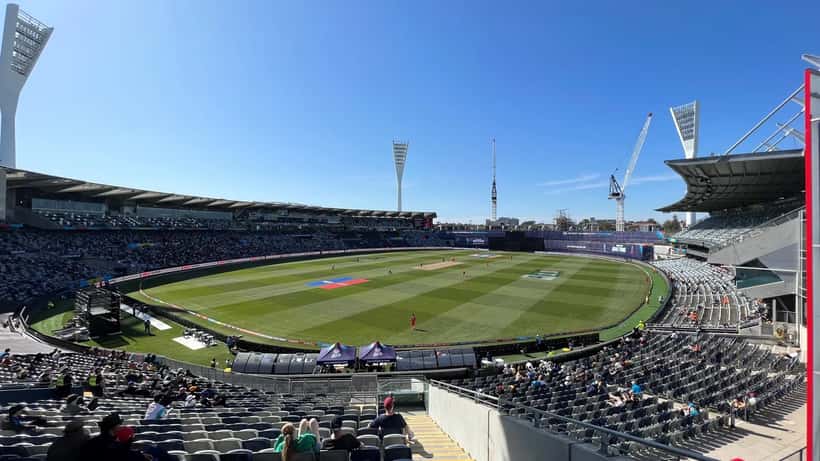
On 25 July 2026, Shreyas Iyer's India beat Zimbabwe by 90 runs at Harare Sports Club, putting the tourists 2-0 up with one match to play. The headline story was 15-year-old Vaibhav Sooryavanshi, whose 50 off 18 balls has made him the most talked-about teenager in world cricket. But there is a second number buried in this series that is more striking than any batting strike rate: the wage gap between the two squads sharing that pitch is, in practical terms, running at roughly ten to one.
India vs Zimbabwe: The Pay Structure Behind the Scoreline
India's T20 captain Shreyas Iyer earned a reported ₹26.75 crore — approximately £2.5 million — from his Punjab Kings Indian Premier League contract in 2026 alone. That is for roughly eight weeks of franchise cricket. Under his BCCI central contract, a Grade A India player earns INR 5 crore annually, or around £470,000, before international match fees. Each T20 international earns an India player approximately ₹3 lakh (roughly £2,800) on top.
Zimbabwe's contracted players operate under a structure that looks entirely different. The board's most senior grade, Grade X, pays US$5,000 per month — US$60,000 per year, or approximately £47,000. A T20 international match fee adds US$800, around £630, per game. For Sikandar Raza, Zimbabwe's 38-year-old captain and one of the sport's most respected figures, this is the financial reality of leading a team with genuine international ambitions but limited commercial infrastructure behind them.
The arithmetic is blunt: India's Grade A annual retainer alone is approximately ten times Zimbabwe's top contract. Before IPL income, endorsements, or the franchise league's cascading commercial effects are factored in, the gap is already structural and systemic.
How Cricket's Two-Speed Economy Was Built
The source of the disparity is well-documented. The Board of Control for Cricket in India (BCCI) is the world's wealthiest cricket board, generating billions from media rights, domestic competition fees, and the IPL franchise model — a competition that in 2026 produced contracts ranging from ₹30 lakh for uncapped rookies to ₹27 crore for Rishabh Pant, making it by some distance the richest cricket league on earth.
Zimbabwe Cricket's revenue base cannot meaningfully compete with this. The board relies on ICC funding distributions, bilateral series fees, and domestic competition income. ICC funding allocations to Full Members reflect commercial contribution as well as participation levels — which means Zimbabwe receives a fraction of what India's BCCI generates and retains. There is no equivalent of the IPL injecting franchise capital into player wages.
The consequences are direct. A Zimbabwe cricketer who suffers an injury, loses form, or is simply not renewed at contract review has none of the financial buffers that high-earning players from wealthier boards can rely on. The playing career is shorter in earning years and narrower in earning power — making financial planning not optional but essential.
The Grade X Cricketer: What the Numbers Actually Mean
Here is a concrete scenario that makes this tangible for anyone with a performance-linked or contract-dependent income.
Take a Zimbabwe player on a Grade X contract — the highest available — earning US$60,000 a year (£47,000). They begin their professional career at 22 and retire from international cricket at 36, a reasonably optimistic 14-year window. Add match fees: if they play 15 T20 internationals per year at US$800 each, that adds roughly US$12,000 (£9,400) annually. Their total annual income sits around £56,000 in a strong year.
Their gross career earnings over 14 years, excluding bonuses, come to roughly £784,000.
Now consider three financial paths:
If the player saves nothing beyond a basic salary account during their career, they retire at 36 with minimal capital — an all-too-common outcome for professional athletes across every sport.
If they set aside £1,000 per month into a Stocks and Shares ISA at a 7% average annual return from age 22, they accumulate approximately £290,000 by age 36 — a meaningful foundation, but one that may need to sustain them for 30 or more years.
If they work with a qualified wealth manager to maximise their UK ISA allowance — £20,000 per year in the 2026/27 tax year — from the start of their career, contribute £280,000 in total over 14 years, and benefit from compound growth at the same rate, the projected tax-free portfolio value at retirement from sport rises to over £450,000. That is the difference a structured plan makes: a gap of more than £160,000 in retirement capital from the same underlying income.
The ISA allowance figure matters here. UK residents, including international athletes with UK tax obligations, can shelter up to £20,000 of investment per year from income tax, capital gains tax, and dividend tax. For a professional with a finite earning window, this is one of the most efficient tools available — and one that is frequently underused.
What UK Wealth Managers Recommend for Athletes with Contract-Dependent Incomes
The financial challenges illustrated by Zimbabwe's cricketers are not confined to sport. Anyone whose income depends on contract renewal, performance, or selection faces an identical structural problem: high earning years followed by a hard stop, with no occupational pension and no guaranteed income continuity.
UK-based wealth advisers who work with professional athletes and contractors typically recommend four priorities in sequence:
Emergency reserve first. Before any investment begins, athletes should hold six to twelve months of living expenses in an accessible, interest-bearing account. A dropped contract or an injury — especially one not covered by income protection — can mean zero income within weeks.
Maximise tax-efficient wrappers. The Stocks and Shares ISA (£20,000 per year in 2026/27) provides entirely tax-free growth and withdrawals, with no lifetime cap. A Self-Invested Personal Pension (SIPP) additionally allows contributions up to 100% of annual earnings with 25% withdrawable tax-free from age 57 — a powerful complement to the ISA for athletes planning a post-sport second career.
Income protection insurance. A career-ending injury at 28 without a policy in place means potentially twenty years without professional earnings. Specialist sports income protection policies cover between 50 and 70 percent of annual income and are available for professional athletes from most UK financial advisers. This is consistently the most overlooked product in athlete financial planning.
Invest from the first contract, not the last. The most common error is deferring investment until a player feels financially stable. For a cricketer on a 14-year earning window, every year of delay reduces the compounding period meaningfully. Beginning at 22 rather than 28 can increase retirement capital by 30 to 40 percent at equivalent savings rates.
These principles are not complicated. They are consistently effective — and they are the category of advice that Zimbabwe players, like many athletes in smaller cricket economies, have limited access to during their active careers.
The Third T20I — and the Wider Lesson
The third and final match of the series takes place today, 26 July 2026, also at Harare Sports Club. India are almost certainly going to complete a series clean sweep. Sooryavanshi will likely play again; more records may follow. Sikandar Raza, in what may be one of his last international series in England, will lead Zimbabwe with the same professionalism he has brought for more than a decade.
The scoreline will be reported. The financial context almost certainly will not. But for any professional — athlete or otherwise — who earns an income that could end without notice, the pay gap running through this series is a pointed reminder that financial planning is not a luxury for those on higher salaries. It is proportionally most important for those with the shortest earning windows and the least institutional support.
For UK readers who earn contract-linked income or manage career-disruption risk in any form, ExpertZoom connects you with qualified, FCA-regulated wealth management advisers who specialise in exactly this kind of planning. Getting professional advice at the start of your high-earning period — not at the end of it — is the most consistently impactful financial decision available.
You can explore UK-based financial advice through ExpertZoom's wealth management specialists who have worked with athletes and professionals on structuring finances for volatile income careers.
This article provides general financial information for educational purposes. It does not constitute regulated financial advice. For advice specific to your personal circumstances, consult a financial adviser authorised and regulated by the Financial Conduct Authority.
