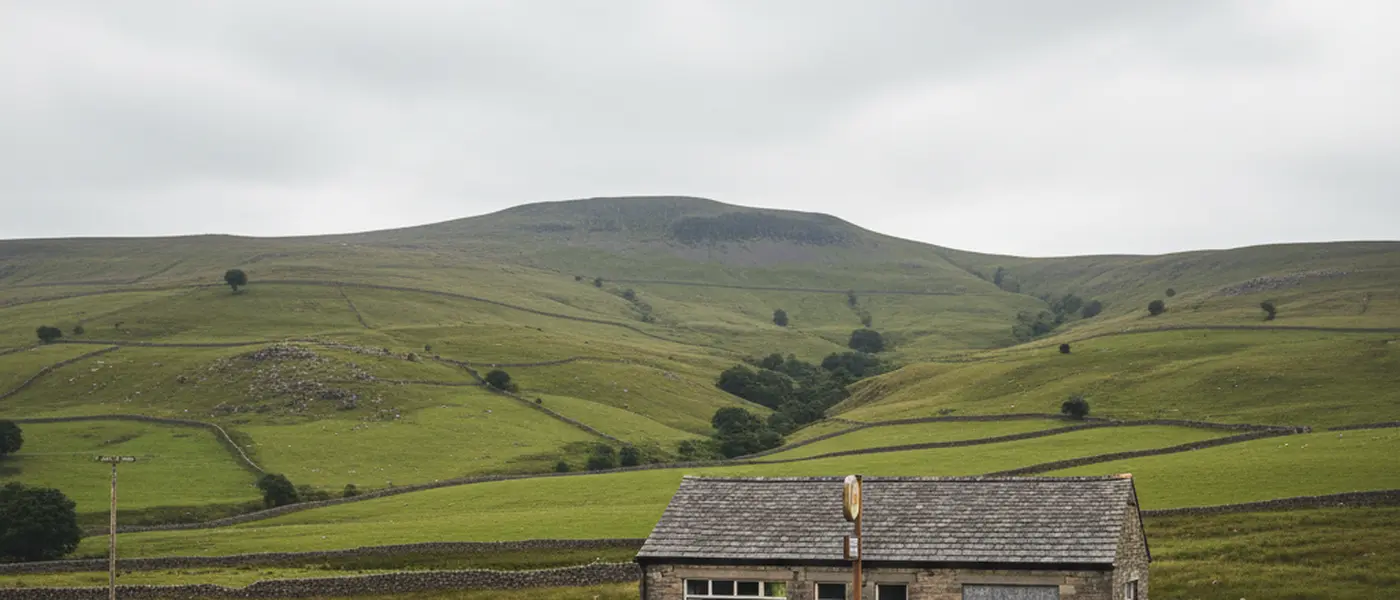
Youlgrave Garage in Derbyshire has suspended all fuel sales after wholesale prices rose so sharply that the three-person business can no longer sell petrol and diesel at a viable price. The closure, announced on 20 March 2026, leaves residents of the Peak District village facing a round trip of over eight miles to the nearest fuel station.
The Story Behind the Shutdown
Owner Mollie Ellis confirmed that the price of super unleaded has surged by 20 pence per litre in recent weeks, driven by global crude oil market volatility linked to Middle East tensions. To cover costs, the garage would need to sell super unleaded at £1.82/litre — a price that would be higher than nearby forecourts in Bakewell and Newhaven, driving away the very customers the garage depends on.
For a small operation with one owner, one mechanic, and one apprentice, selling fuel at a loss is not a survivable option. The garage has suspended sales entirely rather than operate in the red.
The decision has left Youlgrave — a village in the Derbyshire Dales with no regular bus service and a large elderly population — without a local fuel source. Residents must now travel more than four miles each way to refuel, a significant burden especially for those on limited incomes or with mobility difficulties.
Why Small Garages Are Struggling
Youlgrave is not an isolated case. Independent fuel retailers across the UK have faced a structural squeeze for years, and the 2026 oil price spike has accelerated the trend. Large supermarket chains such as Asda, Tesco and Morrisons can absorb temporary fuel losses because they make margins elsewhere. Independent garages cannot.
According to the Petrol Retailers Association (PRA), the UK had over 37,000 fuel stations in 1970. By 2025, that number had fallen to fewer than 8,500 — a decline of more than 77 per cent. The majority of closures have been in rural areas where throughput is too low to justify investment.
When the local garage closes, the impact goes beyond inconvenience. Rural mobility becomes a consumer rights issue: who is responsible for ensuring that residents in remote communities have access to essential services?
Your Rights as a Consumer When a Local Business Closes
Under UK consumer law, there is no general legal obligation on a private business to remain open or continue providing a service. A garage owner cannot be compelled to sell fuel at a loss. This is a fundamental principle of contract law — a business can decide to stop trading.
However, if you have an active prepaid fuel account or vouchers with a business that closes, you are entitled to a refund under the Consumer Rights Act 2015. The same applies if you have paid in advance for any service that is no longer being provided. You can pursue this through:
- Direct request to the business: The first step is always to ask for a refund in writing.
- Your bank's chargeback scheme: If you paid by debit or credit card, your bank can initiate a chargeback for services not delivered.
- Section 75 of the Consumer Credit Act: If you paid by credit card for purchases over £100, your card provider is jointly liable.
- Citizens Advice: Free impartial guidance on consumer disputes, available at citizensadvice.org.uk or by calling 0800 144 8848.
If you believe a business has acted unfairly — for instance, continuing to take payments after deciding to close — you can report it to Trading Standards via Citizens Advice.
Rural Access and the Bigger Picture
The Youlgrave case highlights a gap in public policy that no consumer law currently fills. Essential services — fuel, banking, pharmacies — are disappearing from rural Britain at a rate that outpaces any regulatory response. Small businesses cannot be required to trade at a loss. But communities cannot function without basic infrastructure.
Local councils have limited tools. They can lobby energy companies, support community cooperatives, and in rare cases use planning powers to protect essential local amenities. Some villages have successfully converted closed pubs or post offices into community-owned operations. A community-owned fuel cooperative, while complex to set up, is not without precedent.
For residents facing immediate hardship — particularly elderly or disabled people who cannot easily travel to distant fuel stations — local councils have duties under the Care Act 2014 to assess and address needs that affect wellbeing. This is worth raising with your local authority directly.
What a Solicitor Can Help With
If you are a business owner facing similar pressures, or a resident who believes you have been treated unfairly by a closing business, a consumer law solicitor can clarify your options quickly. Common areas where legal advice adds value include:
- Recovering prepaid funds from businesses that have closed or are closing
- Understanding your rights if a supplier changes terms or stops delivering
- Advising rural businesses on the legal steps needed before suspending services
- Helping community groups navigate the legal structures for cooperative ownership
A 30-minute consultation with a consumer law specialist can save significant time and cost compared to pursuing the wrong avenue. Expert Zoom connects you with qualified solicitors and legal advisors across the UK who can give you clear, practical guidance.
Rural communities deserve better than being left to navigate complex consumer law alone. The Youlgrave story will not be the last of its kind — but knowing your rights is the first step.
This article provides general legal information and does not constitute legal advice. Consult a qualified solicitor for advice specific to your situation.
