 Abigail Clarke
Searches for "what is IMAX" have surged across the UK this week as cinema-goers weigh up whether the giant-screen format is worth the premium ticket in 2026. The renewed curiosity is easy to explain: Christopher Nolan's The Odyssey, due in cinemas this year, has been billed as the first feature shot entirely with IMAX cameras, and trade reporting from Variety and others notes that IMAX has just come off a record billion-dollar year with an even bigger slate ahead. But behind the marketing lies a practical question few people ask before they buy the ticket: what does an hour or more of that intensely bright, wraparound image actually do to your eyes?
What IMAX actually is
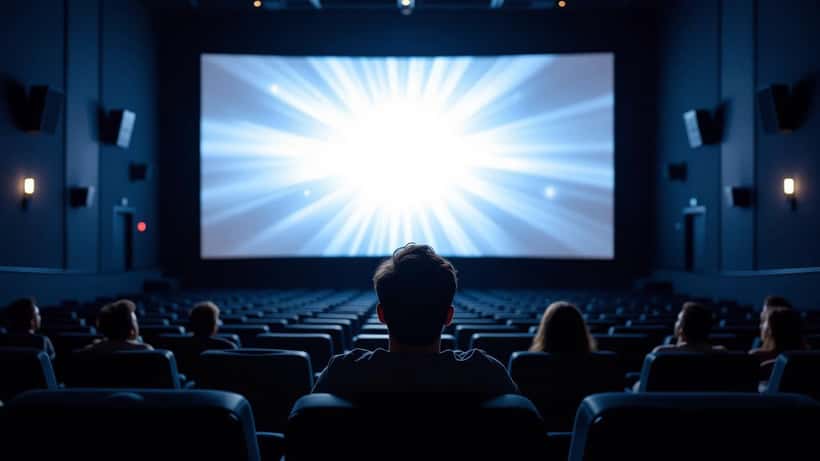
IMAX is a large-format projection system built around images far bigger and sharper than a standard cinema screen. The company draws a distinction that trips up most viewers. Films badged "filmed for IMAX" are shot on approved digital cameras that follow IMAX's certification guidelines. Films badged "shot with IMAX film cameras" use bulky 15/70 film stock and specialised cameras that capture much higher resolution, especially when paired with analogue projection.
Those film cameras are notoriously heavy, expensive and loud, which is why directors have historically reserved them for a handful of set-piece scenes. For The Odyssey, a quieter new camera system reportedly nicknamed the Keighley was developed so an entire narrative feature could be shot on IMAX film without the roar of the mechanism drowning out the actors. The result, on screen, is an image that fills far more of your field of vision than ordinary cinema — brighter, taller and more enveloping.
Why the immersion can tire your eyes
That immersion is the selling point, and for most people it is a treat rather than a hazard. But the same qualities that make IMAX spectacular — high brightness, a screen that spills into your peripheral vision, and fast, high-contrast motion — are exactly the conditions that can trigger visual fatigue in some viewers.
The NHS-run Moorfields Eye Hospital describes digital and screen-related eye strain as a cluster of symptoms including tired, dry eyes, blurred vision, headaches and even neck or shoulder ache. According to Moorfields, one culprit is that we blink far less than half as often when we are fixed on a bright, engaging image, which dries the surface of the eye. Two hours locked onto a screen several storeys tall, in a darkened room, is a demanding session for your eye muscles and tear film.
Motion is the other factor. When your peripheral vision registers sweeping, large-scale movement while your body sits still, the mismatch between what your eyes report and what your inner ear feels can produce the queasy, dizzy sensation familiar to anyone prone to motion sickness. Large-format and 3D presentations amplify that effect precisely because they recruit so much of your peripheral vision.
Flashing scenes and a real medical risk
For a small number of people the concern is more serious than tired eyes. Action films leaning on strobing, flashing or rapidly flickering light can, in rare cases, provoke seizures in those with photosensitive epilepsy. The NHS notes that flashing lights are a recognised trigger for a minority of people living with the condition. On a screen the size of an IMAX auditorium, a strobe effect is unusually intense. Anyone diagnosed with photosensitive epilepsy, or the parent of a child who has ever reacted badly to flashing visuals, should treat a big-format action film with the same caution they would any high-intensity light environment.
This is Your Money or Your Life territory, so a plain disclaimer applies: nothing here is a substitute for personal medical advice, and anyone with existing eye or neurological conditions should speak to a qualified professional before assuming a format is safe for them.
Simple habits that protect your eyes
None of this means avoiding the format. It means watching sensibly. Moorfields and NHS optometry guidance point to a few low-effort habits that translate directly to the cinema. The best known is the 20/20/20 rule: every 20 minutes, look at something roughly 20 feet away for 20 seconds. In a cinema you cannot pause the film, but you can consciously shift your gaze off the brightest part of the frame, relax your focus and blink deliberately during quieter scenes to re-wet your eyes.
Choosing a seat further back, so the screen occupies a comfortable rather than overwhelming portion of your vision, reduces both strain and the motion-sickness mismatch. Staying hydrated helps the tear film. And if you already wear glasses or contact lenses, wearing the correct up-to-date prescription matters more in a high-detail format, because your eyes will strain to resolve an image that is genuinely sharper than a normal screen.
When to see a professional
Occasional tired eyes after a long film are normal and fade within an hour or two. The signals worth acting on are the persistent ones. According to NHS guidance, adults should have a routine eye examination at least every two years, and sooner if symptoms appear. Recurring headaches after screen use, blurred vision that lingers, eye pain, or the sense that your eyes tire far faster than they used to can all point to an underlying issue — an uncorrected prescription, dry eye disease, or something that warrants investigation.
An optometrist can measure whether you need vision correction and check the health of the eye itself; a GP or ophthalmologist is the right port of call for headaches, dizziness or any neurological symptom that a bright, fast-moving format seems to bring on. If flashing scenes have ever made you feel unwell, that conversation should happen before your next trip to the cinema, not after.
The giant screen is one of the genuine pleasures of modern film-going, and The Odyssey looks set to show off what the format can do. Enjoying it does not require perfect eyes — only a little awareness of how your own eyes respond, and a willingness to get them checked when something feels off. If in doubt, a qualified eye-care or medical professional can tell you in minutes what a ticket never will: whether the format that thrills your imagination is also kind to your vision.
