 Imogen Bennett
Uzbekistan's National Investment Fund (UzNIF) began trading on the London Stock Exchange on 13 May 2026, raising $604 million in what has been described as London's first major IPO of the year — and the country's first ever public market debut. The offer was four times oversubscribed, with institutional giants including BlackRock and Franklin Templeton among the anchor investors. But with the GDRs now available to a wider range of buyers, UK retail investors are asking a straightforward question: is this worth buying into?
The answer, say financial advisers, depends on far more than opening-day price movements.
What Is UzNIF and What Does It Own?
The Uzbekistan National Investment Fund is a sovereign wealth vehicle managed by Franklin Templeton. It holds stakes of between 25% and 40% in 13 Uzbek state-owned companies, spanning energy, banking, chemicals, and manufacturing. The Ministry of Economy and Finance sold 31% of the fund to public investors at $25 per GDR, valuing the entire fund at approximately $1.95 billion.
GDRs — Global Depositary Receipts — are certificates that represent shares in a foreign company but are listed on an international exchange. Buying UzNIF GDRs through a UK brokerage is technically straightforward. Understanding what you are actually buying is more complex.
The Emerging Market Premium — and Its Risks
The IPO's four-times oversubscription and a first-day rise above the $25 issue price will attract attention. Emerging market sovereign funds with institutional backing can offer genuine diversification benefits. But several risk factors are specific to this type of asset:
Country risk. Uzbekistan is a Central Asian economy undergoing rapid reform. It has improved its investment climate substantially under President Mirziyoyev, but it ranks lower on transparency indices than Western economies, and its legal system operates very differently from the UK's. If disputes arise over asset values or fund governance, resolution through UK courts may be limited.
Currency and capital controls. The underlying assets are denominated in Uzbek som or USD. Exchange rate volatility and the potential for capital controls — though Uzbekistan has relaxed many restrictions since 2017 — remain relevant risk factors.
Liquidity. GDRs in emerging market funds can have lower trading volumes than mainstream equities, making it harder to sell quickly at the market price. The UzNIF GDRs trade on the London Main Market, which provides regulatory oversight, but daily liquidity will depend on sustained institutional and retail interest.
Concentrated holdings. The fund's exposure to 13 companies — all Uzbek state enterprises — means it is not diversified in the conventional sense. A deterioration in one sector (say, energy or banking) could have an outsized effect.
How London Stock Exchange Regulation Protects UK Investors
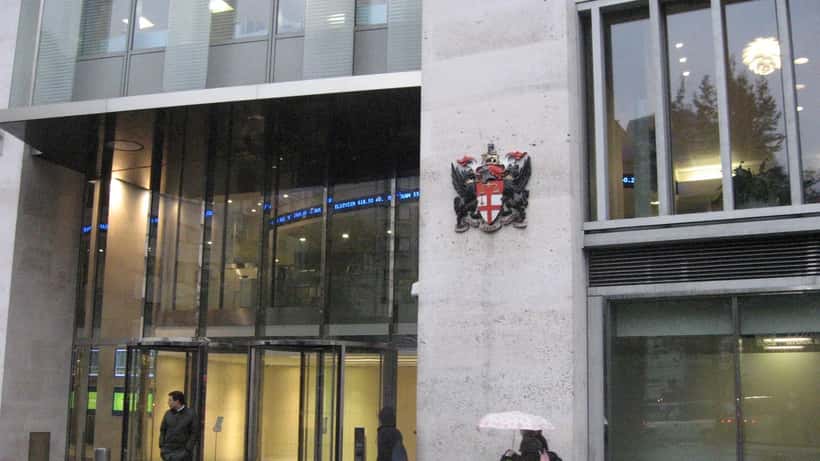
Listing on the London Main Market provides several protections that matter to UK-based buyers. The fund must comply with the UK Listing Rules administered by the Financial Conduct Authority, and disclosure obligations require regular financial reporting, prospectus documentation, and material event notifications.
According to the Financial Conduct Authority's guidance on overseas issuers and GDR listings, companies listed in London must meet specific admission criteria, including audited accounts and ongoing disclosure requirements, regardless of where they are domiciled.
This means UzNIF is subject to a higher standard of transparency than if the same asset were purchased through an offshore vehicle or directly in Tashkent. That said, FCA oversight covers the listing itself — not the underlying assets, which remain subject to Uzbek law.
What a Financial Adviser Would Ask You First
Before any individual investor considers adding UzNIF GDRs to a portfolio, an independent financial adviser would typically ask:
- What percentage of your portfolio would this represent? Exposure to a single emerging market state fund should rarely exceed 2-5% of a diversified portfolio for most retail investors.
- What is your investment horizon? Emerging market assets often require a minimum five to seven year view to absorb volatility meaningfully.
- Do you understand the tax treatment? GDR dividends and capital gains may be treated differently depending on your tax wrapper (ISA, SIPP, or taxable account).
- What is your risk tolerance? Institutional investors like BlackRock have risk management frameworks and hedging tools unavailable to retail buyers. The fact that they invested does not mean the risk profile suits an individual.
The IPO's strong institutional backing is a meaningful signal of credibility, but it is not a substitute for personal financial advice tailored to your circumstances.
The Bigger Picture: Uzbekistan's London Ambitions
UzNIF's debut is part of a deliberate strategy by the Uzbek government to attract Western capital and deepen integration with international financial markets. The dual listing — Tashkent and London simultaneously — signals genuine intent. BP's recent production-sharing agreement with Uzbekistan's energy ministry for the "Northern Ustyurt" blocks adds further weight to the UK-Uzbekistan investment relationship.
For UK investors willing to accept the risks of a frontier-to-emerging-market asset, this is an accessible entry point into Uzbek economic exposure. But frontier markets can move quickly in both directions, and the same reforms that made the IPO possible can be reversed or modified by sovereign decision.
If you are considering investing in UzNIF GDRs — or any international sovereign fund — consulting a regulated financial adviser before committing capital is not a formality. It is the most cost-effective way to ensure the asset fits your overall plan.
At Expert Zoom, our network of vetted independent financial advisers includes specialists in international investments, emerging market portfolios, and tax-efficient wrappers. A consultation can help you assess whether this opportunity belongs in your portfolio.
Disclaimer: This article provides general financial information only. It does not constitute financial advice or a recommendation to buy or sell any security. Always seek independent financial advice before making investment decisions.
