 Isobel Fraser
UK consumer price inflation rose to 3.6% in the 12 months to October 2026, up from 3.5% in September, the Office for National Statistics (ONS) reported on 18 November 2026. It is the highest annual rate since September 2023, and fuel is the main reason: motor fuel prices were 33.2% higher than a year earlier.
The figure lands in the middle of a month when many households are reviewing mortgages, savings and winter budgets. Here is what the ONS data shows, what sits behind it, and how a financial professional would read it for your own money.
What the ONS numbers show
The ONS published the October 2026 bulletin at 7:00am on 18 November. The headline CPI rate of 3.6% compares with 3.5% in September. CPIH, which adds owner occupiers' housing costs, rose from 3.6% to 3.7%.
Underneath the headline, the picture is mixed:
- Core CPI (which strips out energy, food, alcohol and tobacco) stayed at 2.8%.
- Core CPIH held at 3.1%.
- CPI goods inflation climbed from 3.2% to 3.5%.
- CPI services inflation stayed at 3.7%.
The gap between 3.6% overall and 2.8% for core prices tells you where the pressure comes from. It is concentrated in a few items that most households cannot avoid buying, rather than spread across the whole shopping basket.
Why fuel is pushing the rate up
Transport was the largest upward contributor to both CPI and CPIH, adding 1.06 percentage points to the CPI rate. The annual rate for transport rose from 6.6% to 7.5%.
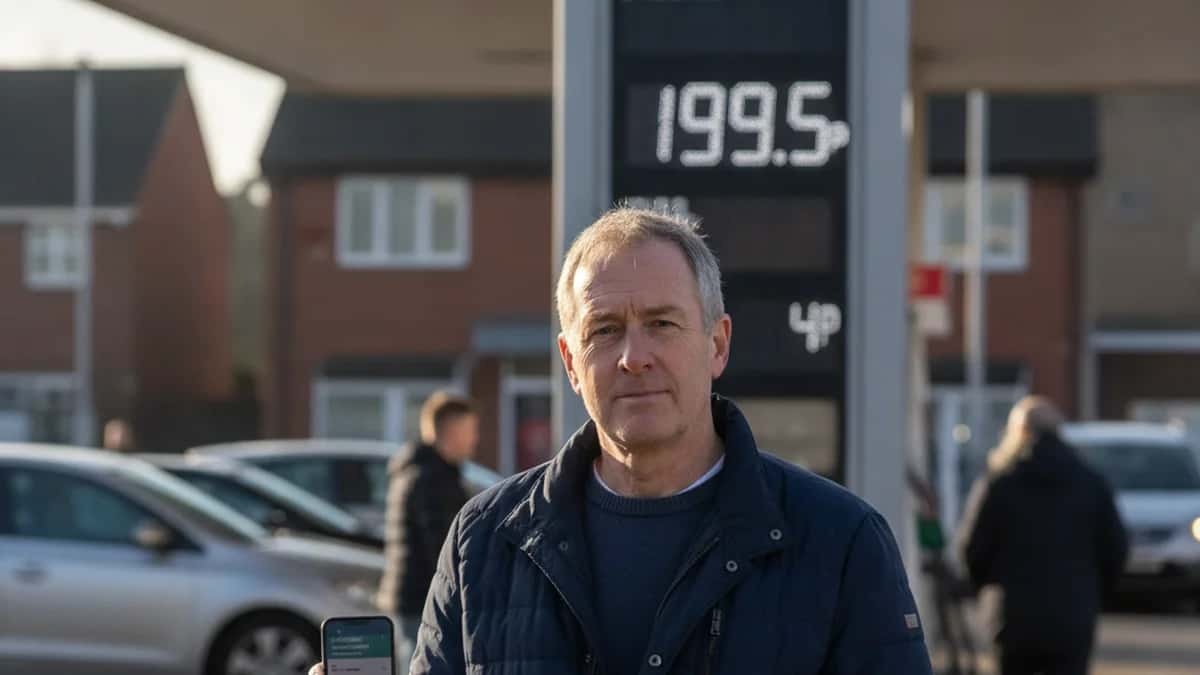
Within that, motor fuels did the damage. Prices rose 33.2% over the 12 months to October, compared with 29.8% in September. The ONS puts the average petrol price at 174.7 pence per litre and diesel at 199.5 pence per litre.
Other parts of the basket pulled the other way. Food and non-alcoholic beverages slowed to 0.9% from 1.3%, and the contribution of food to CPIH, at 0.08 percentage points, was the smallest since September 2021. Restaurants and hotels eased to 3.4% from 3.8% and made the largest downward contribution.
Housing and household services stayed at 4.5% on the CPIH measure and 5.3% on CPI. Gas prices rose 6.3%, while electricity prices fell 0.8%, partly because of the VAT cut on electricity, according to the ONS.
The split between goods and services matters too. Goods inflation rose by 0.3 percentage points in a month, from 3.2% to 3.5%, while services did not move from 3.7%. Fuel feeds into goods prices directly at the pump and indirectly through delivery costs, so households that shop online or rely on a car may notice the change sooner than the headline suggests. Services inflation, which tends to track wages, gave no sign of easing or accelerating in the October reading.
Why this matters for your savings
Inflation is a rate of price change, and what it does to you depends on where your money sits. Cash earning less than 3.6% loses purchasing power over a year. Cash earning more than 3.6% before tax keeps pace, and the tax position then decides what you really keep.
A simple way to frame it is the real return: the interest rate you earn minus the inflation rate. A savings account paying 3.0% against inflation of 3.6% has a real return of minus 0.6 percentage points. The same account paying 4.2% has a real return of plus 0.6.
Your own inflation rate also differs from the national figure. A household that drives 15,000 miles a year feels fuel far more than a household that rarely uses a car. A household that rents or has a variable mortgage feels housing costs more than one on a long fixed rate.
A worked example: £20,000 in an easy access account
Take a saver who holds £20,000 in an easy access account paying 3.0% a year, kept there since the start of the year for emergencies and a planned boiler replacement.
Here is the if/then logic with the October figure:
- If prices rise by 3.6% over the next 12 months, the same basket of goods that costs £20,000 today costs £20,720.
- The account earns 3.0%, or £600 in interest before any tax, so the balance reaches £20,600.
- The saver ends the year £120 short in buying power, even though the balance grew.
- If the saver moves the money to an account paying 4.2%, interest is £840, the balance reaches £20,840, and buying power rises by £120 instead of falling.
The gap between the two accounts is £240 a year on this balance. Whether switching is right depends on access terms, whether the rate is a short introductory bonus, and the saver's tax position, including the personal savings allowance. A financial adviser can check those details against your income and other holdings, which a headline rate alone cannot do.
Now add fuel. A commuter who buys 50 litres of petrol a month at the ONS average of 174.7 pence pays £87.35 a month, or £1,048.20 a year. If the same driver fills a diesel car at 199.5 pence, the monthly bill for 50 litres is £99.75, or £1,197 a year. Fuel alone can therefore take more than £1,000 from a household budget, and a rise of a few pence per litre shows up quickly across twelve fill-ups.
What a wealth management professional looks at
When inflation moves, advisers tend to review four areas rather than one:
- Emergency cash. Is it earning a competitive rate, and is it held in an account you can reach without penalty?
- Debt. Fixed or variable? A borrower coming off a fixed deal within six months should look at how today's rates compare with the current deal. The Intermediary reports that commentators advise those remortgaging or moving home to test their budgets at higher rates.
- Pensions and investments. Long-term assets are usually judged over many years, so one month's figure rarely justifies a change on its own. Charges and asset mix matter more.
- Income. Wages, benefits and pensions that rise with a past inflation figure may not match your own cost of living.
None of this requires a prediction about the next ONS release. The next one is scheduled for 16 December 2026, and a single data point can move in either direction. What a professional adds is a plan that still works if the next figure is higher or lower.
What to do now
This week, there are five concrete steps that cost nothing:
- Write down the interest rate on every savings account you hold and compare it with 3.6%.
- Check the end date of any fixed-rate mortgage or introductory savings bonus.
- Add up your annual fuel spend using your own mileage and the pump price, as in the example above.
- Look at which of your bills are fixed and which vary, so you know where a further rise would land.
- Book a review with a wealth management specialist if your savings, mortgage or pension decisions are due within six months.
This article is general information based on published statistics, not personal financial advice. Rates, tax rules and product terms change, so check the current position before you act.
You can match with a wealth management expert on Expert Zoom to go through your accounts and your mortgage dates, and to work out what 3.6% inflation means for your own household. The full release is available in the ONS consumer price inflation bulletin for October 2026.
