 Sophia Hamilton
Paramount confirmed this week at CinemaCon in Las Vegas that Top Gun 3 is officially in development, with a script already underway and Tom Cruise set to return alongside producer Jerry Bruckheimer. The announcement was made on 22 April 2026 by Paramount co-head Josh Greenstein, and comes alongside news that the original Top Gun will receive a UK cinema re-release on 13 May 2026. For UK film fans, this is welcome news. For UK creative professionals — writers, directors, composers, designers, and anyone whose work involves intellectual property — it is also a timely prompt to examine how the industry's biggest deals are structured, and what lessons they hold for protecting your own creative output.
What Made the Top Gun Deal Possible
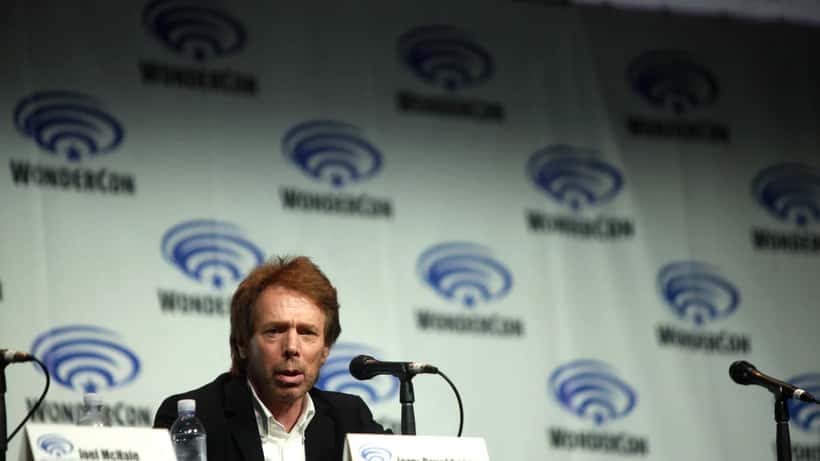
Jerry Bruckheimer has been producing major studio films for over five decades. His credits include Top Gun, Pirates of the Caribbean, The Rock, CSI, and dozens of other titles. In April 2026, he was recognised as a Disney Legend, honouring more than 2,000 hours of television production alongside his film work.
The Top Gun franchise illustrates one of the fundamental realities of commercial creative work: intellectual property ownership determines who gets paid, and for how long. The original 1986 film was based on a magazine article by Ehud Yonay, published in California magazine in 1983. The rights to adapt that article — and to create sequels, merchandise, and now a third film — have been the subject of legal proceedings that went as far as the United States Supreme Court.
In 2022, Yonay's heirs filed a copyright claim seeking to reclaim the underlying rights under provisions of the US Copyright Act. The case was eventually settled, but not before it created genuine uncertainty over whether Top Gun: Maverick (2022) could be released on schedule. That film went on to gross over $1.4 billion at the global box office — making the intellectual property rights question worth very significant sums of money.
Why IP Contracts Matter for UK Creatives
Most UK creative professionals will never work at the scale of a Hollywood franchise. But the same fundamental question — who owns what you create, and on what terms — applies to every creative engagement, from a freelance graphic design brief to a software development contract.
Under UK copyright law (Copyright, Designs and Patents Act 1988), copyright in a work created by an employee during the course of their employment belongs automatically to the employer. For freelancers and contractors, however, copyright typically remains with the creator — unless it is expressly assigned in writing.
This distinction matters enormously in practice. A freelance illustrator who creates a logo for a client may retain copyright unless the contract specifically assigns it. A developer who builds software for a client on a fixed-fee basis may have the same protection. Without a clear contract, disputes about who owns the work, who can license it, and who is entitled to revenue from it can become expensive and time-consuming to resolve.
Three IP Questions Every Creative Should Settle Before Starting Work
1. Is this assignment or licence? When a client asks for your creative work, there are two fundamentally different arrangements: an assignment (you permanently transfer the copyright to them) or a licence (you retain the copyright but grant them the right to use the work, potentially subject to territory, duration, and medium restrictions). A licence is generally more favourable to the creator, as it preserves future options. Many clients' standard contracts default to full assignment. This is worth negotiating.
2. What about moral rights? UK law gives creators moral rights — including the right to be identified as the author of a work and the right to object to derogatory treatment. These rights are distinct from copyright and cannot be assigned, but they can be waived. Many standard commercial contracts include a moral rights waiver. Understanding what you are giving up before you sign matters.
3. Are there provisions for future exploitation? The Top Gun story demonstrates that even a work created in 1983 can generate significant revenue in 2022 and beyond. If the work you are creating has potential for future use — adaptation, licensing to third parties, use in new media formats — it is worth considering whether your contract reflects this. Residuals, royalties, or step payments for future exploitation are not unusual in professional creative contracts, but they are rarely offered without negotiation.
The Cost of Not Getting This Right
In the absence of clear contractual terms, creative disputes tend to be resolved in one of two ways: negotiation (often at a disadvantage for the party without legal representation) or litigation (expensive, slow, and uncertain). For UK freelancers and small creative businesses, a single unresolved IP dispute can be financially damaging.
A solicitor specialising in intellectual property or media law can review a contract before you sign it, advise on whether the terms reflect standard industry practice, and help you negotiate clauses that better protect your work. This is not a service reserved for producers of billion-dollar franchises. It is standard professional practice in the creative industries — and accessible to any UK creative through the right legal advice.
Jerry Bruckheimer's latest project may be a sequel to one of cinema's most enduring franchises. But the contract disciplines that protect the creative work behind it are the same ones that should protect yours.
Expert Zoom connects UK creatives and businesses with qualified solicitors and IP specialists who can review contracts, advise on intellectual property rights, and ensure that when you create something valuable, you keep the rights you are entitled to.
Legal disclaimer: This article provides general information only and does not constitute legal advice. For advice specific to your situation, consult a qualified solicitor or IP specialist.
