 Eleanor Vaughan
Ticketmaster is trending in the UK this week as Coachella 2026 — one of the platform's biggest annual sales events — opens on 10 April 2026, bringing renewed scrutiny to ticket pricing, resale practices, and the ongoing threat of fraud. UK consumers lost over £1.6 million to ticket scams in 2024 alone, according to Action Fraud, with more than 3,700 reports filed — and watchdogs warn that major festival weekends spike fraud attempts significantly.
The ongoing Ticketmaster fraud problem in the UK
The Ticketmaster data breach of 2024 — which exposed personal data including names, addresses, email addresses and partial credit card details — continues to cast a long shadow. The breach, attributed to the ShinyHunters hacker group, affected the accounts of millions of UK customers and triggered a multi-million pound collective legal action currently working through UK courts.
But beyond the 2024 breach, ticket fraud takes many forms:
Secondary market scams: Fraudsters sell counterfeit tickets through unofficial channels — often at inflated prices — targeting fans of sold-out events. Lloyd's Bank reported that over 600 customers lost a combined £1 million in fraudulent Taylor Swift Eras Tour ticket sales alone.
Phishing and account takeover: Scammers send fake Ticketmaster emails directing users to clone websites designed to harvest login credentials and payment details.
Last-minute cancellation cons: Buyers are contacted by sellers claiming to urgently need to sell tickets at a discount. Payment is taken but tickets never materialise.
Dynamic pricing confusion: Ticketmaster's controversial "dynamic pricing" model — where ticket prices surge as demand rises — is sometimes exploited by fraudsters who mimic legitimate price increases to justify inflated prices on resale platforms.
What are your legal rights as a UK ticket buyer?
Under UK consumer law, you have stronger protections than many buyers realise. The key legal frameworks are:
Consumer Rights Act 2015: Goods and services must be as described, fit for purpose, and of satisfactory quality. If a ticket sold to you does not grant entry to the event, you are entitled to a full refund.
Fraud Act 2006: Buying or selling a ticket using false representation is a criminal offence. If you have been defrauded, you should report it to Action Fraud (the UK's national fraud reporting centre) and your bank immediately.
The Competition and Markets Authority (CMA): The CMA has investigated Ticketmaster's pricing and resale practices and reached a formal settlement. Under this settlement, Ticketmaster is required to provide greater transparency on ticket fees upfront.
Section 75 of the Consumer Credit Act 1974: If you purchased tickets worth between £100 and £30,000 using a credit card, your card issuer is jointly liable with the seller. This means you can claim a chargeback from your bank even if the seller has disappeared.
When should you consult a solicitor?
For most small ticket fraud cases — under £500 — your first steps should be to report to Action Fraud, contact your bank for a chargeback, and use the platform's official dispute process.
However, there are circumstances where legal advice is genuinely worth seeking:
- Large losses: If you have lost more than £1,000, a solicitor can advise on small claims court proceedings or joining existing collective actions.
- Business disputes: If your company purchased tickets for corporate events or client entertainment and was defrauded, the business implications may warrant legal review.
- Data breach compensation: If your personal data was compromised in the 2024 Ticketmaster breach and you suffered demonstrable harm (identity fraud, financial loss), you may be eligible for compensation through the ongoing class action.
- Unfair contract terms: If Ticketmaster or a secondary platform applied terms that you believe are unfair or undisclosed, a consumer rights solicitor can assess your position.
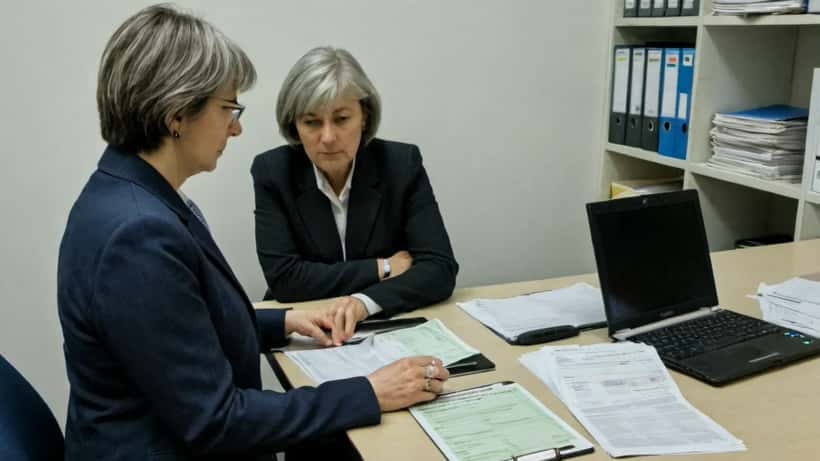
A legal specialist with experience in consumer law or data protection can give you a clear, honest assessment of whether pursuing a claim is worthwhile in your specific situation — and what evidence you will need.
How to protect yourself during Coachella and other high-demand events
With Coachella 2026's first weekend running 10–12 April, demand for tickets and merchandise is at its peak. Practical steps to protect yourself:
- Buy only from official sources: Use Ticketmaster's official website or the event's official box office. If resale is necessary, use platforms with buyer guarantees such as Viagogo's guarantee scheme or Ticketmaster Fan-to-Fan.
- Check URLs carefully: Fraudulent sites mimic official ones closely. Check for HTTPS and compare the domain carefully before entering payment details.
- Use a credit card: Section 75 protection applies to credit card purchases above £100. Debit card purchases have weaker protection.
- Enable two-factor authentication: On your Ticketmaster account, this prevents unauthorised access even if your credentials are stolen.
- Never transfer money directly: Legitimate sellers will use platform payment systems. Anyone asking for bank transfer or payment via apps like Revolut is almost certainly a fraudster.
A growing consumer rights issue
Ticket fraud is not going away — and the UK's major festivals, sporting events and concerts will continue to attract fraudsters targeting eager fans. The legal landscape is evolving: the CMA settlement with Ticketmaster represents a step forward, but enforcement depends on consumers knowing and exercising their rights.
If you have been a victim of ticket fraud, you are not alone — and you have more legal options than you might think. A consumer rights solicitor can clarify your position in a brief consultation, often at no upfront cost.
Disclaimer: This article provides general legal information and does not constitute legal advice. For advice specific to your situation, consult a qualified solicitor.
