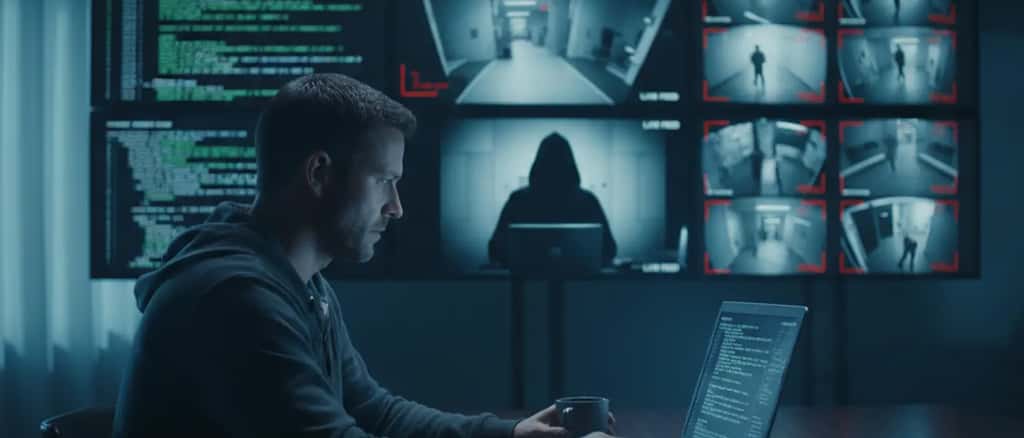
BBC One's thriller The Capture returned for its third series on March 8, 2026, plunging viewers back into a world where video evidence can no longer be trusted. The show follows Counter Terrorism Command's Commander Rachel Carey, played by Holliday Grainger, as she confronts "Operation Veritas"—a supposedly tamper-proof surveillance system introduced after widespread deepfake scandals have eroded public trust in digital media. While the premise makes for gripping television, the technology it portrays is far from fictional, and IT specialists are increasingly called upon to help organisations and individuals navigate the very real threat of AI-generated video manipulation.
What The Capture Gets Right About Deepfakes
The series accurately captures the fundamental vulnerability at the heart of modern digital infrastructure: our instinctive trust in what we see. Deepfake technology, which uses artificial intelligence to create convincing but entirely fabricated video and audio content, has evolved from a niche technical curiosity into a mainstream threat. UK cybersecurity reports indicate that deepfake fraud attempts surged by approximately 300 percent in 2025, affecting businesses, public figures, and ordinary citizens alike.
The Capture explores how this technology can be weaponised for disinformation, fraud, and political manipulation. The show's depiction of institutional panic following deepfake exposure mirrors real-world concerns among law enforcement, financial institutions, and government agencies. When video evidence—long considered the gold standard in legal proceedings—can be convincingly fabricated, the implications extend far beyond entertainment into courtrooms, boardrooms, and newsrooms.
The series also highlights the surveillance paradox: efforts to combat deepfakes often involve expanding surveillance infrastructure, raising urgent questions about privacy and state power. Operation Veritas, the fictional tamper-proof camera system in the show, represents a technological solution that carries its own risks—a tension that IT security professionals grapple with daily when advising clients on digital authentication systems.
The Real-World Regulatory Response
Unlike the dramatic events unfolding on screen, real-world governments have responded to deepfake threats through legislation rather than surveillance expansion alone. The European Union's AI Act, which came into force in 2024, now mandates that AI-generated content must be clearly labelled, creating legal obligations for platforms and content creators. This represents a significant shift in how synthetic media is regulated across the continent.
In the United Kingdom, the Online Safety Act 2023 introduced specific provisions targeting deepfake intimate images, recognising the particular harm caused when this technology is used for sexual exploitation or harassment. These legal frameworks provide important protections, but enforcement remains challenging, and IT specialists play a crucial role in implementing technical measures that complement regulatory requirements.
Financial institutions have become particularly vulnerable targets. Deepfake audio has been used to impersonate senior executives authorising fraudulent transfers, while fabricated video conference calls have tricked employees into divulging sensitive information. The National Cyber Security Centre (NCSC) has issued guidance on authenticating digital communications, but technical implementation requires specialist knowledge that many organisations lack in-house.
How IT Consultants Protect Against Deepfake Threats
IT specialists addressing deepfake risks typically work across three key areas: detection, prevention, and response. Detection involves implementing AI-powered tools that analyse video and audio for telltale signs of manipulation—inconsistent lighting, unnatural facial movements, or audio-visual synchronisation problems. However, as generative AI technology improves, detection becomes an arms race between creators and authenticators.
Prevention strategies focus on multi-factor authentication systems that don't rely solely on biometric verification. While facial recognition and voice authentication were once considered cutting-edge security measures, deepfakes have undermined their reliability. IT consultants now recommend layered authentication approaches combining something you know (passwords), something you have (physical tokens or devices), and behavioural analysis that tracks typing patterns or mouse movements.
For businesses concerned about executive impersonation, IT specialists can implement video authentication protocols requiring real-time interaction, such as asking participants to perform specific actions during calls that would be difficult for pre-recorded deepfakes to replicate. Some organisations have adopted codeword systems or establish secondary verification channels for high-risk communications like financial transfers.
Digital forensics capabilities have become essential for organisations that may need to verify the authenticity of evidence or identify the source of fabricated content. IT consultants with expertise in this area can analyse metadata, compression artefacts, and file histories to establish whether media has been manipulated. This capability is particularly valuable for IT specialists working with legal teams, media organisations, or corporate investigation units.
Individual Protection Strategies
While businesses face institutional risks, individuals also require protection against deepfake threats. Personal reputation attacks, financial fraud, and identity theft all feature among the ways this technology is misused. IT consultants advising individual clients typically recommend several practical measures.
Limiting the public availability of high-quality photos and videos reduces the training material available to those who might create malicious deepfakes. Privacy settings on social media platforms should be reviewed regularly, though determined attackers can still compile sufficient material from multiple sources.
For public figures or those in sensitive positions, some IT specialists recommend creating authenticated baseline recordings—verified samples of their actual voice and appearance—that can be compared against suspicious content. This approach provides a reference point for forensic analysis if disputes arise.
Individuals should also establish trusted communication protocols with family members and colleagues, particularly for requests involving money or sensitive information. Simple verification questions or agreed-upon code phrases can prevent fraud attempts that rely on voice cloning technology.
The Path Forward
As The Capture demonstrates through dramatic narrative, the technology enabling deepfakes is not going away. IT security professionals must stay current with both generative AI capabilities and detection methodologies, creating an ongoing professional development challenge. The NCSC provides updated guidance on emerging threats, but translating these recommendations into practical security architectures requires specialist expertise.
Organisations across all sectors should consider conducting deepfake vulnerability assessments with qualified IT consultants who can identify specific risks based on their operational profile, public exposure, and existing security infrastructure. The investment in prevention typically proves far more cost-effective than managing the fallout from a successful deepfake attack.
Whether you're concerned about protecting your business from fraud, securing your personal digital identity, or implementing authentication systems that account for AI-generated content, consulting an IT specialist through platforms like ExpertZoom can provide tailored guidance. The fictional world of The Capture may be dramatic, but the threats it portrays are entirely real—and professional IT expertise has become essential in navigating them.
