 Harriet Price
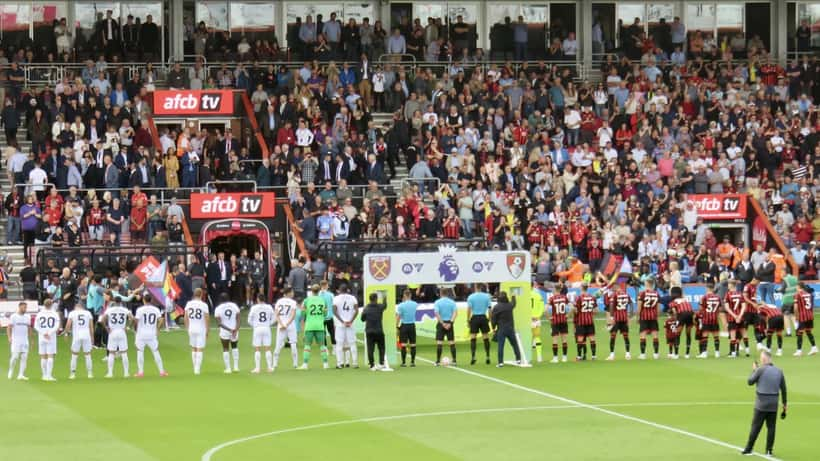
Sturm Graz supporters walked through Bournemouth under police escort on Thursday 15 October 2026 before the club's first-ever European home game, a 3-0 Europa League win at the Vitality Stadium. Dorset Police put more than 150 officers on duty and thanked the Austrian fans for their cooperation.
The night passed without reported trouble. For anyone planning to follow a team abroad, or to host visiting fans at home, it raises a practical question: what are your rights when a big football trip goes wrong?
What happened in Bournemouth, and why it matters
According to Yahoo Sports, the visiting supporters walked as a large group to the ground, with officers staying afterwards to make sure fans left safely. Police said they appreciated the away fans' cooperation "as we worked hard to keep any disruption to the local community to a minimum".
Football Ground Guide reports that Sturm Graz supporters filled the newly opened north-west corner before kick-off. The two new corners added around 800 seats, and the south-east section was used for travelling fans.
Evanilson headed in from an Adam Smith cross, and late goals from Rayan and Alvaro Rodriguez sealed a 3-0 win. It was a record crowd since the stadium became all-seater.
Matches like this are logistical puzzles. Thousands of people book flights, hotels and tickets weeks ahead, often through different sellers. When one link breaks, the money is hard to recover without knowing which rules apply.
The question fans actually ask: who refunds me if the trip collapses?
The answer depends on how you bought each part. Ticket, flight and hotel are usually three separate contracts, and each has different protection.
Flights are covered by the airline's duty to refund or reroute when it cancels. Hotels depend on the booking terms, though paying by credit card can add a second layer of protection. Match tickets are the weakest link: many terms allow no refund if you simply cannot travel.
The official guidance on consumer protection rights at GOV.UK sets out the baseline for goods and services bought from traders. It is the right starting point before you contact any seller. You can read it on the GOV.UK consumer rights page.
Section 75 of the Consumer Credit Act 1974 makes a card provider jointly liable with the seller for purchases between £100 and £30,000. That matters because a single failed booking for a European away day can easily pass the £100 threshold per item.
A concrete case: a Bournemouth fan booking an away European trip
Take a supporter who books a two-night trip to follow their side abroad in this Europa League phase. The flight costs £180 and the hotel £240 for two nights. The match ticket costs £45, and all three are bought on a credit card in September.
Suppose the airline cancels the outbound flight 36 hours before departure. If the airline offers a refund, the £180 comes back within 14 days under the carrier's obligations. If the fan still wants to go, the airline must offer rerouting at the earliest opportunity.
Now the hotel. If the fan cannot reach the city, the hotel might keep the £240 under a non-refundable rate. Here the card matters. Because the hotel booking exceeds £100 and sits under the £30,000 ceiling, the fan can ask the card provider to treat the failed stay as a claim against the seller.
The £45 ticket is different. It falls below the £100 threshold, so Section 75 does not apply to it. The fan would depend on the ticket seller's terms or the club's policy on cancelled travel.
So if the flight is cancelled and the hotel will not refund, the fan recovers £180 from the airline and may recover £240 through the card. If the ticket seller refuses, the £45 is probably lost. The fan's recoverable amount is £420 out of a £465 trip, and the gap comes from where the ticket was bought.
The expert angle: where a solicitor or consumer lawyer helps
Most disputes end with a polite letter. A consumer solicitor becomes useful when the seller refuses, the amounts are higher, or several parties each blame one another.
A solicitor can read the booking terms and say which clause applies. They can also help you draft a letter before action and decide whether a small claims route makes sense. In England and Wales, small claims cover most disputes up to £10,000, and legal costs are limited.
Group travel adds complexity. If a supporters' club books coaches and accommodation on behalf of dozens of members, the contract may sit with the organiser rather than with each fan. That affects who can sue and who gets refunded.
Fan conduct is another area where legal advice matters. A football banning order can follow certain offences at or near matches, both in the UK and abroad, and it can restrict travel to games. Anyone arrested abroad on match day should ask for a lawyer and contact the consular team of their own country.
Local residents and businesses also have rights. When thousands of supporters descend on a town, shops and pubs may face disruption, and councils and police have powers to manage crowds. Dorset Police thanked residents for their patience and called the match a "historic occasion for AFC Bournemouth and Dorset Police".
Time limits and evidence: the part most fans miss
Deadlines decide many consumer claims. Chargeback requests through a card scheme usually need to be raised within 120 days of the problem, while a Section 75 claim can run up to six years in England and Wales. Airline refunds are normally paid within 14 days, so a missing payment after that point is a clear signal to escalate.
Evidence matters just as much as the deadline. Keep the confirmation emails, the cancellation notice, the card statement and any chat transcripts. A claim that arrives with a dated paper trail is far easier for a card provider, an ombudsman or a court to assess than one built from memory.
If a seller goes bust, the picture changes. Package holidays sold with flights and hotels together carry extra statutory protection, while separate bookings do not. That distinction alone can be worth hundreds of pounds on a European away trip.
What UK fans should do before the next European away day
Similar fixtures are on the calendar for English and Scottish clubs. Our earlier guides on Celtic's Champions League play-off and Larne's Europa League tie cover travel issues in more detail.
Here is a short checklist:
- Pay for flights and hotels by credit card where possible, so each item over £100 carries Section 75 protection.
- Keep screenshots of booking terms, cancellation windows and the seller's name on the day you buy.
- Buy tickets only from the club or an authorised seller, because resale platforms often refuse refunds.
- Take out travel insurance that explicitly covers cancellation and missed events, and read the exclusions on strikes and postponements.
- Write to the seller in the first week after a problem, quoting the booking reference and the amount, and keep a dated copy.
If you have a dispute that does not resolve after your first letter, speak to a legal expert. A short consultation can tell you whether to chase the seller, the card provider or both, and how long you have to act. Browse the legal specialists on ExpertZoom to get a clear answer before time limits run out.
This article is general information, not legal advice. Your rights depend on the contract, the seller and where you booked, so check your own circumstances with a qualified solicitor.
