 Amelia Davies
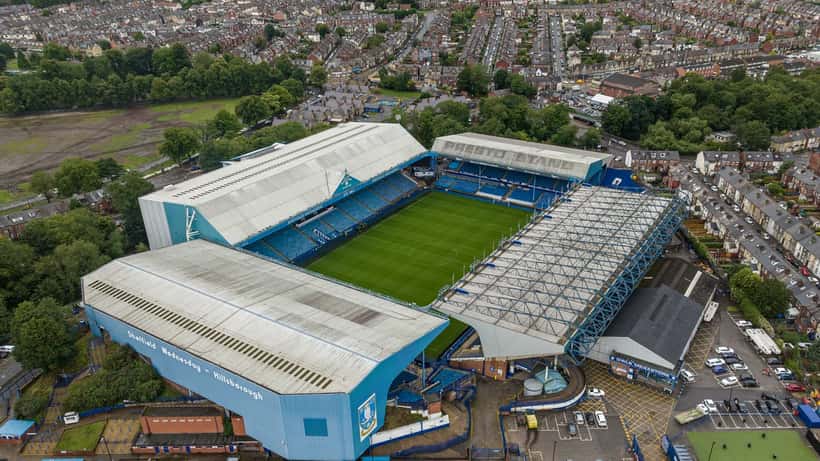
Sheffield Wednesday's disastrous 2025-26 season ended in May 2026 with a historically low points total — but the club's off-pitch story carries just as many lessons. The Owls entered administration in October 2025, were deducted a combined 18 points across two EFL penalties, and finished the Championship with two wins: the lowest seasonal win count and the lowest points tally in the history of English football.
On 2 May 2026, however, the administration formally ended. Arise Capital Partners LLC, operating through its subsidiary Steel City Sports Fund, completed a takeover of the club. New owners Tim Bacich, John Ross, and David Storch face a monumental rebuild — but for fans, employees, and creditors who lived through the administration, the legal questions about their rights during and after the process deserve clear answers.
What Administration Actually Means in UK Law
Administration is a formal insolvency procedure governed by the Insolvency Act 1986. When a company enters administration, a licensed insolvency practitioner — the administrator — takes control with the objective of rescuing the business as a going concern. If that is not possible, the administrator aims to achieve a better outcome for creditors than immediate liquidation would.
For Sheffield Wednesday, administration was resolved through rescue: a buyer was found, the business continues operating, and the club will begin the 2026-27 season under new ownership. This is the best possible outcome under the insolvency process. But it does not mean that all claims and obligations were automatically resolved on 2 May 2026.
1. Employee Rights: Wages, Contracts, and TUPE
Employees are among the most legally protected stakeholders in an administration. Under the Insolvency Act and the Employment Rights Act, unpaid employee wages are classified as a "preferential debt" — meaning they rank above most unsecured commercial creditors in the payment hierarchy. Claims for unpaid wages of up to £800 per employee are protected, and claims above that threshold can be pursued through the National Insurance Fund.
For Sheffield Wednesday's playing staff and backroom employees whose contracts were not terminated during administration, the Transfer of Undertakings (Protection of Employment) Regulations 2006 — known as TUPE — likely apply. Under TUPE, employment contracts automatically transfer to the new employer on their existing terms, and employees retain continuous service rights. Employees who believe their contracts were altered or terminated unfairly in connection with the administration have access to the Employment Tribunal, with time limits of three months from the date of the act complained of.
2. Season Ticket Holders: Rights That Survive Administration
Season ticket holders are typically classed as unsecured creditors in an insolvency — meaning they are paid after secured and preferential creditors. Had Sheffield Wednesday been liquidated, season ticket refund claims might have received pennies in the pound. The completed takeover avoids this outcome.
Because the club continues as a going concern under new ownership, season tickets should transfer to the new regime. However, the transition creates specific legal questions. Where season tickets were purchased before the administration — and particularly where direct debit plans were paused during the process — any unilateral changes to pricing, seating categories, or ticketing terms by the new owner could constitute a breach of the original contract.
Season ticket holders should request written confirmation from the new ownership about the status of their existing contracts before any payment is made for 2026-27. See also: Football Relegation 2026: Your Legal Rights as a Season Ticket Holder.
3. The Points Deduction Process — and the Right to Challenge
Sheffield Wednesday received a 12-point deduction for entering administration in October 2025, followed by a further 6-point deduction in December for late payments to creditors — a combined 18-point penalty imposed under EFL rules.
Points deductions in administration are standard, but the precise quantum is not beyond challenge. The EFL's disciplinary process includes an appeals mechanism, and legal precedent from cases including West Brom in 2026 demonstrates that the proportionality of deductions can be reviewed. See: West Brom Handed Immediate 2-Point Deduction: What It Means for Fan Rights.
For Sheffield Wednesday, the deductions are now historic. But for any future season — or for other clubs facing similar financial pressures — understanding that these decisions carry a right of appeal is important legal knowledge for supporter trusts, boards, and legal representatives.
4. Trade Creditors and Unsecured Claimants
Local businesses that supplied services to Sheffield Wednesday during the period of administration — catering contractors, media companies, kit suppliers, maintenance firms — are likely classified as unsecured creditors. As unsecured creditors, they rank behind secured lenders and preferential creditors (including employees) in the distribution of any assets recovered.
Under the completed takeover, the new owners assumed the club's liabilities on agreed terms. The extent to which legacy commercial debts will be honoured depends on the specific terms of the administration exit and the creditor compromise agreed by the administrator. Trade creditors who have received no communication about their outstanding invoices should contact the administrator directly — not the new club ownership — to obtain a Statement of Affairs and understand their position.
For formal guidance on the administration and creditor rights process, see: Going Into Administration — GOV.UK.
The Road Ahead for Wednesday
The club's new owners have moved quickly to signal intent. Key young prospects — including 20-year-old Pierce Charles — are being prioritised for retention, loan deals are being converted to permanent arrangements, and free transfer signings will form the backbone of the first-team rebuild. The sporting direction appears positive.
But completing a takeover does not extinguish all legal claims arising from the administration. Former employees with unresolved TUPE disputes, creditors who have not received a final settlement offer, and season ticket holders with unresolved payment agreements all retain enforceable rights.
Understanding your specific position — whether as a supporter with a contractual claim, a former employee, or a trade creditor — requires professional legal advice. ExpertZoom connects you with qualified UK solicitors specialising in insolvency law, employment law, and contract disputes who can advise on your situation.
This article provides general legal information and does not constitute legal advice. For advice specific to your circumstances, consult a qualified UK solicitor.
