 Imogen Bennett
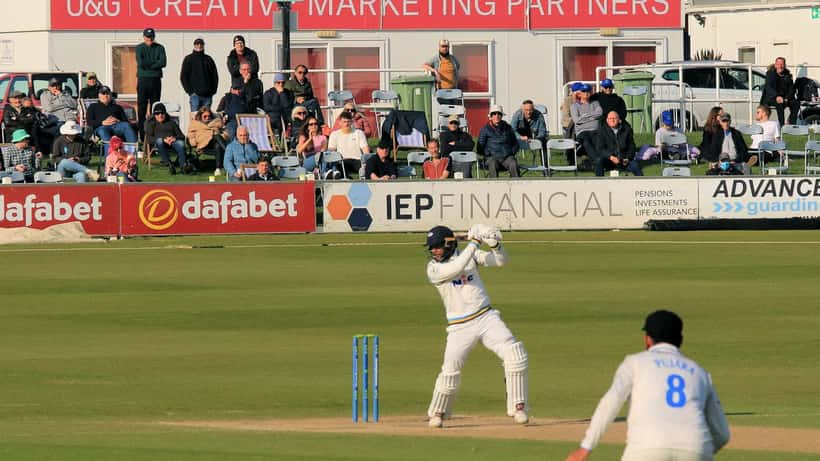
Shai Hope hit an unbeaten 102 off 45 balls in Ranchi on 9 October 2026, steering West Indies to 252/4 in 18.3 overs and a six-wicket win over India. The chase of 250 is the second-highest successful run chase in men's T20I history, according to Outlook India's match report, and it levelled the five-match series at 1-1, as reported by Reuters via RNZ. Behind the headline figures sits a story that applies far beyond cricket: a career built on a few explosive years of earnings.
The numbers behind the chase
India had set a target of 250 after posting 249/5, with Sanju Samson making 82 off 41 balls and Ishan Kishan 43 off 22. Tilak Varma finished unbeaten on 44. On paper, the total looked safe.
West Indies did not treat it that way. Hope's 102 came off 45 balls and was his second T20I century. Sherfane Rutherford added 84 off 37 balls, and the pair turned a daunting equation into a finish with nine balls to spare. In total, 501 runs were scored across the two innings in 38.3 overs, a rate of more than 13 an over. It was the kind of match in which a single batter's decision to attack changed the entire shape of the contest, and the market notices that sort of influence.
Those figures matter for a reason that has nothing to do with the scoreboard. Players who produce this kind of performance become far more valuable in the franchise market. A captain with two T20I hundreds in a bilateral series is exactly the profile that overseas leagues bid for. For a professional athlete, form is a financial asset that can lose value quickly.
Why an income spike is a planning problem
Cricketers have short earning windows. A typical professional career runs perhaps 12 to 15 years, and the best-paid stretch can be much shorter. Income also arrives unevenly: a county salary, a central contract, then a one-off franchise fee in a good year.
The same pattern applies to many readers. Freelancers, commission earners, contractors and anyone who sells a business or receives a large bonus face an uneven income year. In the UK, the tax system treats a spike harshly because of how the thresholds work.
For the 2026/27 tax year, the personal allowance is £12,570. Basic-rate tax of 20% applies up to £50,270, and 40% applies above that. Anyone whose income passes £100,000 starts losing the personal allowance. Details are set out on GOV.UK's income tax rates page.
That means a single large payment can push part of a year's income into the higher-rate band, and the tax cost of the extra money is far greater than the headline rate suggests.
A worked case: the £25,000 one-off fee
Consider a hypothetical county professional based in England who earns a salary of £42,000. In October 2026 they sign for an overseas T20 league and receive a one-off fee of £25,000, paid in the same tax year.
Their total income rises to £67,000. The higher-rate threshold is £50,270, so £16,730 of that income is taxed at 40% rather than 20%.
The extra cost is easy to calculate:
- £16,730 taxed at 40% is £6,692.
- The same £16,730 taxed at 20% would have been £3,346.
- The difference is £3,346, so the higher band alone costs this player an additional £3,346.
Now apply an if/then test. If the player makes a gross pension contribution of £16,730 (paying £13,384 net, with basic-rate relief added at source) and claims the higher-rate relief through self-assessment, then their taxable income falls back to the £50,270 line. The 40% band is effectively neutralised, and the £3,346 extra cost is recovered as additional relief. The money is not lost; it sits in a pension, though it cannot normally be accessed until the minimum pension age.
If, instead, the player makes no contribution, then roughly £3,346 more goes to HMRC for that year than a smoother income would have cost. The right answer depends on the player's age, other savings and need for cash. That is exactly why a short consultation can be worth more than the fee it costs. The numbers here are illustrative and do not constitute tax advice.
An overseas fee may also carry foreign withholding tax. Treaty relief and foreign tax credits can then affect the final bill, which makes the order of events more important.
What financial experts look at first
A wealth manager or independent tax adviser would normally start with five questions:
- Which tax year does the payment fall into? Timing a payment before or after 5 April can change which band it lands in.
- Is there unused pension allowance? The standard annual allowance is £60,000, and unused allowance from the previous three years may be carried forward.
- Are ISA allowances being used? The annual limit is £20,000, and growth inside an ISA is not taxed.
- Is income volatile year to year? If so, building a cash reserve of six to twelve months of spending is usually sensible before any long-term investing.
- Is the person a UK tax resident? Residence status changes how foreign income is taxed and can affect which reliefs apply.
None of these is specific to sport. They are the same checks that apply to a founder after an exit or a salesperson after a record quarter. An adviser will also ask what the money is for, whether that is a house deposit, a business or a retirement fund, because the goal decides whether a pension, an ISA or plain cash is the right home for it.
Why athletes are a useful warning for everyone
Sport shows the risk in its sharpest form because the peak is both visible and short. A batter at 33 can still be at the top of the game, but the market for explosive T20 hitters is competitive and rewards recent form heavily. An injury or a slump can cut offers sharply.
Retirement from a sporting career usually happens when a person is still decades from a conventional retirement age. That makes long-term planning, rather than short-term spending, the central task.
The same logic applies to anyone with a time-limited advantage: a contractor in a skills shortage, a trader in a strong market, or a business owner with a good year. The lesson is the same. Treat an exceptional year as an exception, not as a new baseline.
What to do if your income jumps this year
If you expect a large one-off payment before 5 April 2027, there are practical steps worth taking now rather than after the year closes:
- Estimate your total taxable income for the year, including the new payment.
- Check how close you are to £50,270 and, above all, to £100,000.
- Ask whether a pension contribution, charitable giving or a change in the payment date makes sense for you.
- Keep records of any foreign tax already withheld.
- Speak to a qualified adviser before the payment arrives, because many reliefs cannot be claimed once the tax year has ended.
You can find a wealth management specialist on Expert Zoom to review your own figures before the next tax year deadline. If you are comparing an investment or pension choice for the first time, our guide on sporting injuries and recovery planning also shows how performance and long-term planning interact in a cricketing career.
This article is for general information and is not personal financial or tax advice. Tax rules and thresholds can change, and individual circumstances vary. Consult a qualified adviser before making decisions.
