 John Green
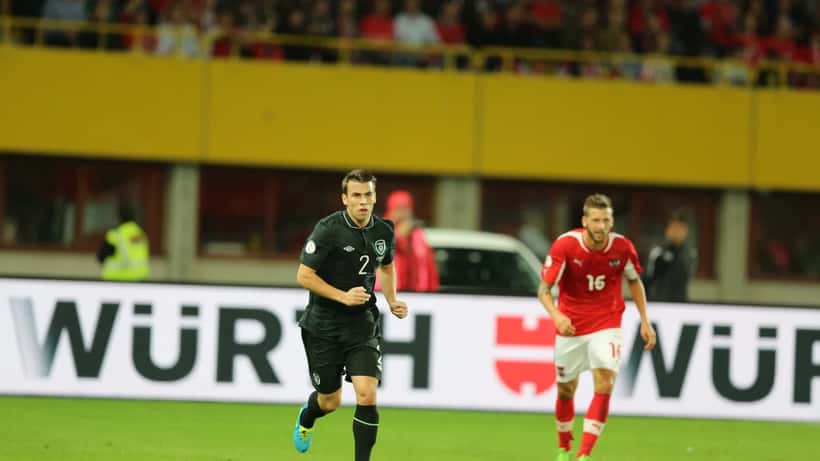
Seamus Coleman has announced the end of his playing career at Everton after more than 17 years at the club, having made 433 appearances and captained the side 140 times. The Republic of Ireland defender, 37, signed a final one-year contract in June 2025 and will now leave Goodison Park when the 2025-26 season concludes.
The announcement marks the end of a remarkable career — but it also opens a new chapter that will define Coleman's financial future for decades. Professional footballers earn significantly above the national average, yet retirement at 37 or 38 means potentially 50 years of post-career life to fund, often without the structured pension provisions that protect other workers. Wealth management specialists consistently identify how an athlete handles the first 18 months after retirement as the single most important factor in their long-term financial security.
Why Football Retirements Are a Financial Flashpoint
Coleman's career spanned an era of significant Premier League wage growth. But elevated income during playing years does not guarantee financial security after them. Research published by the Professional Footballers' Association indicates that a substantial proportion of professional footballers face serious financial difficulty within five years of retirement. The cause is rarely insufficient income during the career — it is insufficient planning during it.
Tax liabilities crystallising at retirement, investment decisions made under poor or unregulated advice, lifestyle costs that outlast the income stream, and pension gaps can collectively transform a multi-million-pound career into a precarious post-career reality. Here are five steps that wealth management experts recommend every retiring professional athlete prioritise.
1. Review the Tax Position Immediately
A footballer's earnings are typically structured across salary, image rights vehicles, signing bonuses, and loyalty payments — each attracting different tax treatment. The transition from employment to post-career income (coaching fees, punditry, ambassador roles, appearance income) changes the picture again.
As of the 2025-26 tax year, UK high earners face a 45% additional rate above £125,140. For Coleman, who has been linked to a possible role with the Republic of Ireland national team, understanding the tax implications of every future income stream — including any residual image rights income — before the first 5 April after retirement is critical. A qualified tax adviser should review all existing structures as the first priority.
2. Address the Pension Provision Gap
Premier League contracts include access to the PFA pension scheme, but many players accumulate far less in pension savings than their income would suggest. Contribution rates during playing careers, the structure of benefits, and the long time horizon from retirement (potentially at 37) to state pension age (67) create a 30-year gap that requires active planning.
UK government guidance on pension planning is available via MoneyHelper, the government-backed money guidance service. However, professional athletes benefit most from bespoke independent financial advice that accounts for the full picture — overseas income, image rights vehicles, existing property holdings, and the unusual income trajectory of a sporting career.
3. Build a Long-Term Investment Strategy
Retiring from professional sport at 37 means potentially five decades of post-career financial life. Simply preserving wealth in cash or low-yield assets is unlikely to keep pace with inflation over that horizon. A diversified investment portfolio — equities, bonds, property, and where appropriate alternative assets — is not a luxury for retiring athletes. It is a necessity.
Coleman has been linked to a coaching role with the Republic of Ireland, which would provide income continuity. But wealth managers note that even with continued employment, building passive income through disciplined investment is the difference between working by choice and working by financial necessity in later years.
See also: Harry Wilson's Free Transfer Window: What Footballers Can Teach Us About Financial Planning and Bernardo Silva's Free Agency: 3 Wealth Management Lessons His Exit Teaches.
4. Build a Trusted Advisory Team
One of the most financially damaging patterns in professional sport is reliance on informal networks — agents, acquaintances, or fellow players — for financial guidance. Coleman's career is a reminder that the same disciplined professionalism he brought to his defensive role needs to be applied to post-career wealth management.
A qualified Independent Financial Adviser (IFA) regulated by the Financial Conduct Authority, a tax specialist, and a solicitor familiar with sports contracts and image rights law provide the three core pillars of sound athlete wealth management. When offers arrive — coaching contracts, sponsorships, business investment opportunities — these advisers protect against the most common and costly traps.
5. Plan for the Identity Transition, Not Just the Income Replacement
Retiring from football is as much a psychological shift as a financial one. Athletes who plan only for income replacement — and not for the loss of structure, identity, and daily purpose that comes with a playing career — are statistically more likely to make impulsive financial decisions in the first two years after retirement.
Holistic wealth planning for athletes increasingly incorporates this dimension. Building a structured post-career life that provides direction and meaning in turn protects financial decision-making. For Coleman, who has spoken positively about remaining involved in football, this transition appears managed thoughtfully. For others, the identity dimension remains the most overlooked financial risk.
Getting Expert Wealth Management Advice
Whether you are a current or recently retired professional athlete, a partner managing shared wealth, or a family member concerned about post-career financial planning, ExpertZoom connects you with qualified independent financial advisers and wealth management specialists across the UK. Our network of verified experts can provide guidance on pension planning, tax structuring, investment strategy, and long-term wealth preservation tailored to the specific circumstances of professional sport careers.
This article provides general financial information and does not constitute financial advice. Consult a qualified independent financial adviser for guidance specific to your circumstances.
