 Amelia Ward
Scream 7 Is Already Out — And the Ghostface Effect on Your Body Is More Real Than You Think
Scream 7 hit UK cinemas on 25 February 2026 and is still drawing sold-out audiences across the country. With a franchise-record $63.6 million opening weekend in the US and Neve Campbell returning as Sidney Prescott, the seventh instalment has horror fans flocking back to the multiplex. But every jump scare is doing something measurable to your body — and doctors say it is worth understanding when that fear response crosses a line.
What Is Happening Right Now with Scream 7?
Scream 7, directed by Kevin Williamson and featuring returning cast including Neve Campbell, Courteney Cox, and David Arquette alongside newcomers Mckenna Grace and Joel McHale, opened to the largest box office in the franchise's 30-year history. The film follows a new Ghostface killer targeting Sidney Prescott's daughter — raising the stakes to the most personal yet.
Reviews are mixed (31% on Rotten Tomatoes), but audiences are clearly showing up: the film is still packing screens in March 2026, nearly four weeks after its UK premiere. For millions of viewers, that means repeated exposure to one of cinema's most effective fear machines.
And "fear machine" is not just a metaphor.
What Scream Actually Does to Your Body
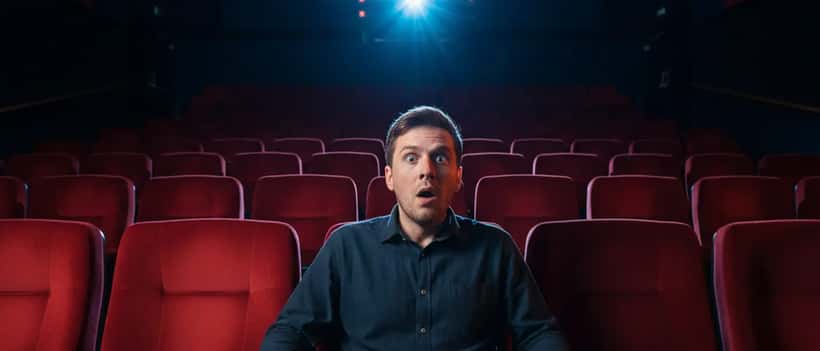
Every time Ghostface appears on screen, your nervous system responds as if the threat were real. The amygdala — the brain's fear-processing centre — cannot reliably distinguish between a fictional threat and a genuine one. The physiological cascade that follows is measurable:
Heart rate and blood pressure: Your heart rate can surge by 10 to 20 beats per minute during intense scenes. Blood pressure rises in parallel, driven by the sympathetic nervous system switching into fight-or-flight mode.
Hormone release: Your adrenal glands release adrenaline (epinephrine) and norepinephrine within seconds of a scare. Cortisol levels spike briefly, returning to baseline 20 to 30 minutes after the film ends — but if you watch two hours of sustained tension, that cortisol exposure adds up.
Caloric expenditure: A 2012 study published in the journal Stress calculated that viewers watching The Shining burned approximately 200 calories purely from the physiological stress response — without moving from their seats.
Breathing and digestion: Rapid, shallow breathing is common during high-tension scenes. Digestion slows as blood is redirected to muscles. Some viewers experience a churning stomach or nausea — a textbook response to elevated stress hormones.
Is Watching Horror Bad for Your Health?
For most people, no. The body's recovery mechanisms are effective: heart rate normalises, cortisol clears, and sleep architecture returns to baseline. Research from Ohio State University suggests horror films may even build emotional resilience — repeated safe exposure to fear scenarios appears to help some individuals regulate anxiety responses in real life.
There is also evidence of short-term immune system activation following intense emotional stimulation, including fear — similar to the brief boost from moderate exercise.
However, there are populations for whom horror films warrant caution:
- People with pre-existing cardiac conditions should be aware that sustained elevated heart rate and blood pressure during a two-hour film represents genuine physiological load. If you have been told to avoid significant exertion, that advice may extend to highly stimulating films.
- Individuals with anxiety disorders or PTSD may experience lingering psychological effects well beyond the closing credits. The fear response triggered by fictional horror can re-activate genuine anxiety patterns. If you find yourself unable to sleep, persistently hypervigilant, or experiencing intrusive imagery after watching horror, these are signals worth discussing with a mental health professional.
- Children and adolescents have less developed emotional regulation mechanisms. Age-appropriate content guidance exists for a reason.
When to Talk to a Specialist
Most Scream 7 viewers will feel a rush of adrenaline and then sleep perfectly well. But if you notice any of the following, a brief conversation with a specialist is worthwhile:
- Chest discomfort, palpitations, or shortness of breath during or after films — a cardiologist or GP can assess whether your cardiovascular response is within normal limits
- Persistent anxiety, sleep disturbance, or nightmares following horror viewing — a mental health specialist can help distinguish between temporary post-film jitters and a deeper anxiety pattern that deserves attention
- Recurrent physical symptoms (nausea, headaches, dissociation) after emotionally intense viewing — these may point to a stress sensitivity worth investigating
The body's fear response evolved to keep us alive. Scream 7 borrows that system for 123 minutes of entertainment. For most, the only lasting effect is the urge to double-check the front door is locked. For a small number, the response is stronger — and that is when a specialist matters.
On Expert Zoom, you can find GPs, cardiologists, and mental health specialists available for quick consultations — without waiting weeks for an NHS appointment.
Medical disclaimer: This article is for general information only. If you experience chest pain, severe anxiety, or physical symptoms during or after films, please consult a qualified healthcare professional.
