 Amelia Ward
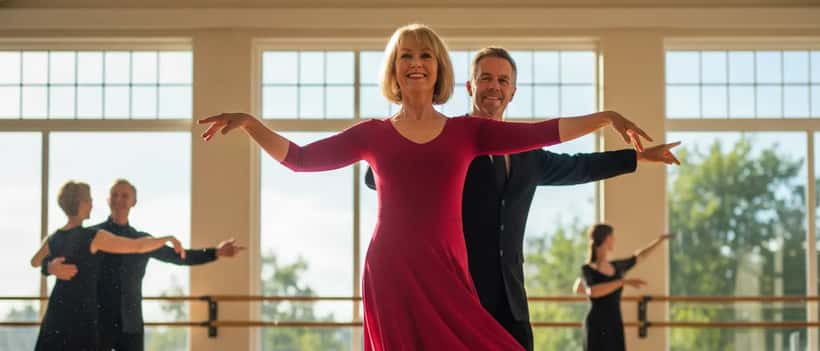
Gavin and Stacey actress Ruth Jones, 59, has confirmed this week that she has been approached to appear on Strictly Come Dancing, sparking a wider conversation about the health benefits of dance for adults over 50. Doctors say the timing could not be better.
Why Ruth Jones and Strictly Are Making Headlines
Ruth Jones, co-creator and star of the beloved BBC series Gavin and Stacey, addressed the "big rumours" about a potential Strictly appearance during an interview on The Jonathan Ross Show in March 2026. While she said she preferred watching the show from her sofa, her comments reignited public interest in whether adults in their late 50s should consider taking up dancing.
Jones, who won a BAFTA for Best Female Performance in a Comedy for the 2025 Gavin and Stacey finale, has spoken openly about maintaining an active lifestyle. Her comments come as Strictly Come Dancing continues to attract millions of viewers each Saturday — and as GP surgeries across the UK see rising referrals for age-related mobility, mental health, and cardiovascular issues.
The Science Behind Dancing and Healthy Ageing
Dancing is not just entertainment. A growing body of research confirms it is one of the most effective forms of exercise for older adults — addressing physical, cognitive, and emotional health simultaneously.
Cardiovascular benefits. A 2024 study published in the British Journal of Sports Medicine found that regular dancing reduces the risk of cardiovascular disease by up to 46% in adults aged 50–80, outperforming walking and cycling in terms of sustained heart rate elevation. Just two 30-minute sessions per week can produce measurable improvements in VO2 max (the body's oxygen-processing capacity) within 12 weeks.
Bone density. Weight-bearing dance movements — particularly ballroom styles like waltz and foxtrot — stimulate bone formation and help combat osteoporosis. According to the National Osteoporosis Society, one in two women and one in five men over 50 in the UK will suffer a bone fracture due to osteoporosis. Dancing addresses this risk without the impact stress of running.
Brain health and dementia prevention. A landmark 21-year study by the New England Journal of Medicine (updated in 2023) found that of all leisure activities studied, dancing was the only physical activity associated with a reduced risk of dementia — a 76% reduction compared to non-dancers. The cognitive demands of remembering steps, following music, and coordinating with a partner activate multiple brain areas simultaneously.
Mental health and loneliness. The UK has declared a "loneliness epidemic," with Age UK reporting that 1.4 million older adults feel chronically lonely. Group dance classes provide structured social contact, purpose, and a sense of achievement. Studies show a 30% reduction in depression symptoms after eight weeks of regular group dancing.
What Should You Do Before You Start Dancing?
If you are over 50 and considering taking up dancing — whether inspired by Strictly or your own motivation — a brief conversation with your GP is wise before starting, particularly if you have any of the following:
- Osteoarthritis in the knees or hips — certain dance styles can exacerbate joint pain
- Cardiac history — getting your cardiovascular fitness assessed protects you from overexertion
- Balance issues or inner ear problems — important to disclose before taking on spins and turns
- Diabetes — physical activity affects blood sugar levels and may require monitoring adjustment
Your GP can provide a fitness-for-exercise assessment and, if needed, refer you to a physiotherapist or sports medicine specialist. This step takes one appointment and can prevent injury.
When to See a Specialist Instead of Your GP
Some health concerns linked to dancing in older adults require specialist input beyond what a general practitioner provides:
Orthopaedic surgeon or physiotherapist — if you have chronic joint pain, a history of fractures, or a recent hip or knee replacement. Many people with hip replacements can return to dancing; a specialist can guide the timeline and technique adaptations.
Cardiologist — if you experience breathlessness, chest tightness, or irregular heartbeat during moderate exercise. Atrial fibrillation is common in adults over 60 and can be managed effectively once diagnosed.
Neurologist — dancing is increasingly used as therapy for Parkinson's disease. Structured programmes like Dance for PD have shown remarkable results in improving gait, balance, and quality of life. A neurologist can advise whether dance therapy is appropriate for your specific condition.
How to Start — Practically and Safely
You do not need to be on television to benefit from dance. Here are practical entry points:
- Local authority leisure centres — most offer subsidised dance classes for over-55s, including ballroom, line dancing, and gentle movement classes
- NHS Social Prescribing schemes — GPs in England can refer patients directly to community dance groups via their social prescribing link workers
- Online platforms — post-Covid, many certified instructors offer live-streamed beginner classes at low cost
- Dance for Health programmes — NHS-commissioned programmes in several trusts specifically target fall prevention through dance
Whether Ruth Jones ends up on the Strictly dancefloor or not, the medical case for dancing is clear. For adults over 50, lacing up a pair of dance shoes might be the most enjoyable prescription available.
This article is for informational purposes only and does not constitute medical advice. Always consult a qualified healthcare professional before starting a new exercise regime.
Connect with a GP or sports medicine specialist on Expert Zoom.
