 Phoebe Wilson
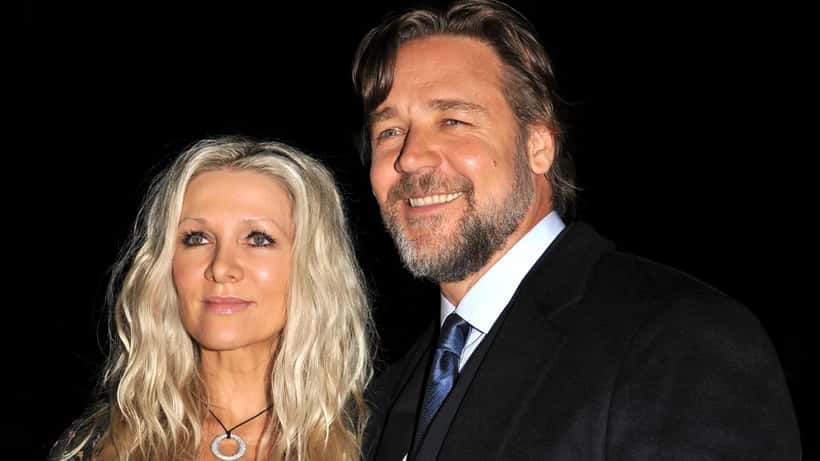
Russell Crowe, 62, leads an all-star cast in The Get Out — a high-octane action crime comedy arriving in UK cinemas on 26 June 2026, in which he plays Manco Kapak, a nightclub owner dragged back into a lethal criminal world against his will. The film's trailer, released on 30 May, shows Crowe facing down cartel gunmen and fighting for survival in a role that required serious physical preparation. His well-documented insistence on performing his own stunts — despite a lengthy catalogue of career-related injuries — is once again generating attention.
A Career Built on Physical Punishment
Crowe has spoken candidly about what decades of stunt work have done to his body. He has publicly listed conditions including the complete absence of cartilage in both big toes, plantar fasciitis, shin splints, and bone marrow edema under both knees — chronic inflammation of the bone's internal tissue that causes significant pain during any impact activity.
Yet the actor continues to take on physically demanding roles. In the year before The Get Out, at age 61, he undertook a structured fitness programme — losing 29 pounds through training and dietary changes — that he credited in part to the influence of his partner. That transformation enabled him to accept another full-contact role. He is also due to begin filming The Last Druid in Barcelona from 8 June 2026.
The contrast between Crowe's accumulated chronic injury history and his continued willingness to train intensely raises a question UK sports doctors and physiotherapists deal with regularly: where is the line between impressive resilience and a serious health risk?
What Changes Physiologically After 60
Exercise remains one of the most powerful tools for healthy ageing. The scientific evidence for its benefits — cardiovascular health, muscle mass retention, cognitive function, mental health — is overwhelming. But the physiology of training changes significantly in the sixth decade, and the risks of high-intensity activity without professional guidance increase sharply.
NHS guidance on physical activity for adults and older adults recommends adults aged 65 and over aim for at least 150 minutes of moderate-intensity activity weekly, with strength work on two or more days. It specifically notes that anyone returning to exercise after a long absence should build gradually — not start at the deep end. For over-60s with existing musculoskeletal conditions like Crowe's, the starting point should always include a clinical assessment.
The main physiological concerns for older adults taking on high-intensity activity include:
- Cardiovascular risk: Sudden, intense exertion without an adequate aerobic fitness base elevates cardiac stress. This is particularly relevant for anyone who has been relatively inactive, has high blood pressure, or has a family history of heart disease.
- Tendon and connective tissue fragility: Tendons lose elasticity with age and repair more slowly after micro-damage. Crowe's existing conditions — bone marrow edema and shin splints — are exactly the kind of chronic issues that can progress to stress fractures under increased loading.
- Extended recovery times: Muscle protein synthesis after intense effort slows significantly with age. Inadequate rest between high-intensity sessions compounds cumulative damage rather than allowing adaptation, which is how professional athletes in their sixties who train without adequate recovery often sustain serious injuries.
What Paul Mescal's intense Gladiator fitness preparation revealed about the risks of rapid training
Signs You Should See a Doctor Before Increasing Exercise Intensity
Crowe's situation is professionally managed — he has access to on-set medical teams, physiotherapists, and the resources to support recovery properly. For the general over-60 population in the UK, that infrastructure does not typically exist, and the same level of physical ambition carries correspondingly higher risk.
UK sports doctors and physiotherapists recommend seeking a clinical assessment before significantly increasing exercise intensity if you:
- Have any existing joint, tendon, bone, or soft tissue injuries that have not fully resolved
- Have been inactive for six months or more
- Have cardiovascular disease, high blood pressure, or a family history of cardiac events
- Are managing type 2 diabetes, obesity, or any metabolic condition
- Are over 65 and have not had a recent general health check
A baseline assessment typically includes blood pressure measurement, cardiovascular screening, and a joint mobility review. It helps identify which activities are appropriate, at what intensity, and over what timeframe. A sports medicine doctor can also advise on periodisation — the structured scheduling of training intensity and recovery that makes the difference between productive fitness gains and repeated injury.
The Difference Between Crowe's Approach and Safe Practice
Crowe's method — train hard, push through discomfort, insist on doing it yourself — is understandable from a professional whose authenticity on screen depends on genuine physical engagement. It also produces visible results. But it is not a framework that safely translates to the general over-60 population.
The lesson is not that intense exercise after 60 is inadvisable — the evidence is overwhelming that staying active is one of the best decisions an older adult can make. The lesson is that proper preparation, clinical assessment, and professional supervision change the risk profile dramatically. Warning signs — persistent joint pain, unusual fatigue, swelling, numbness — should prompt a consultation, not a decision to push harder.
ExpertZoom connects UK residents with verified sports doctors, physiotherapists, and GPs with a sports medicine background. Whether you are returning to regular exercise after time away, managing a pre-existing injury, or simply want to train more ambitiously in your sixties, a professional assessment is the safest starting point.
This article is for informational purposes only and does not constitute medical advice. Consult a qualified healthcare professional before making significant changes to your exercise routine.
