 Eleanor Vance
On 10 April 2026, the RSPB released the results of its Big Garden Birdwatch — the UK's largest citizen science survey — confirming that 650,000 participants counted more than 9 million birds across Britain over the last weekend of January. The results are striking: house sparrows topped the count for the second consecutive year, while starling numbers have fallen by 80% since 1979.
But the Birdwatch results also carry an urgent practical message: what you feed garden birds — and when — has never mattered more.
What the 2026 Birdwatch Results Tell Us
The RSPB's survey found that common urban species like house sparrows (1.6 million counted) and blue tits remain strong, while several farmland visitors are becoming rarer in gardens. Goldfinch sightings increased, partly attributed to sunflower heart feeders becoming more widespread.
Yet the real headline in the 2026 results is the RSPB's new feeding guidance, effective from 1 May 2026: the charity recommends pausing seed and peanut feeding from 1 May through 31 October due to the risk of trichomonosis — a parasitic disease that spreads more easily when birds congregate at feeders during warmer months.
This is a significant change. For decades, year-round feeding was encouraged. Now the advice is more nuanced — and a veterinary expert explains why.
Why Feeding Birds Is a Health Issue — for Them and for You
"The issue isn't feeding itself — it's hygiene and timing," explains a vet specialising in wildlife and exotic animals. "Trichomonosis spreads through saliva on shared feeding surfaces. When dozens of birds use the same feeder without regular cleaning, the pathogen accumulates rapidly."
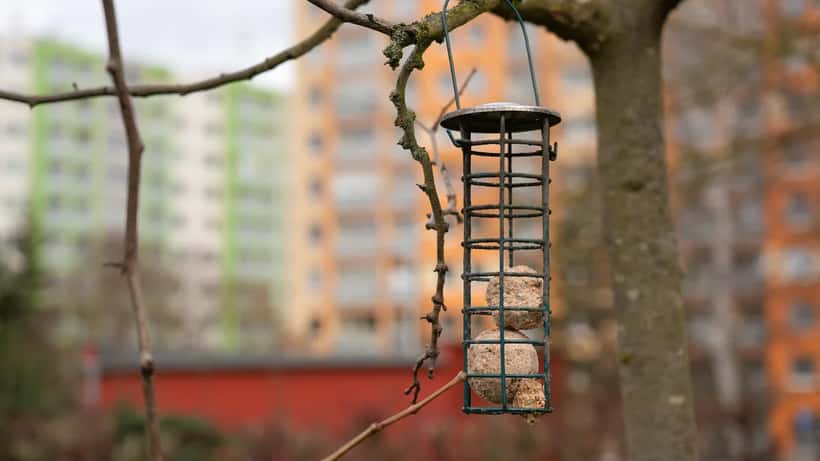
The RSPB recommends cleaning feeders weekly using a 5% disinfectant solution, changing water daily, and moving feeders to a new location each week to avoid ground contamination from bird droppings.
From a veterinary perspective, there are additional concerns that garden feeders rarely make the headlines:
Aflatoxin in mouldy peanuts: Peanuts that have been stored improperly or left in feeders too long can develop aflatoxin, a highly toxic fungal compound. Wild birds that consume it suffer liver damage and neurological symptoms. Always use RSPB-approved peanut suppliers and replace nuts regularly.
Salmonella risk for humans: Bird feeders and bird baths are a documented source of Salmonella enteritidis for humans — particularly children who touch feeders and then their mouths. Wear gloves when cleaning feeders and wash hands thoroughly with soap afterwards.
Avian influenza (H5N1): In early 2026, the UK saw localised outbreaks of highly pathogenic avian influenza along coastal regions. While garden bird feeders are not considered a major transmission route, the Animal and Plant Health Agency (APHA) advises removing standing water sources and maintaining hygiene around feeders during outbreak periods.
What to Feed and What to Avoid
A vet or wildlife specialist would recommend the following safe practices:
Continue year-round (safe):
- Live or dried mealworms (excellent for robins and bluetits)
- Suet balls and fat cakes (avoid those containing artificial colourings)
- Clean, fresh water in a bird bath (changed daily)
Pause from 1 May to 31 October 2026 (per RSPB guidance):
- Sunflower seeds and seed mixes
- Peanuts
- Niger (nyjer) seeds
Avoid entirely:
- Bread and processed foods (low nutrition, causes crop impaction)
- Cooked rice or pasta (ferments quickly in warm weather)
- Dessicated coconut (swells when eaten, dangerous)
- Loose peanuts not from approved suppliers (aflatoxin risk)
When to Call a Vet About a Garden Bird
Most garden bird injuries or illnesses are beyond what a member of the public can treat at home. However, knowing when to act — and who to contact — can save a bird's life.
Signs that warrant a call to a wildlife vet or rescue centre:
- A bird sitting motionless on the ground, unresponsive to approach
- Visible injury (broken wing, eye discharge)
- A bird repeatedly flying into a window (may have a head injury)
- A young bird out of the nest before it can fly (usually best left alone — parents are nearby)
The British Wildlife Rehabilitation Council (BWRC) maintains a directory of registered wildlife rehabilitators. A vet with wildlife expertise can assess whether a bird needs treatment or can be safely released.
The Bigger Picture: Connecting Garden Wildlife to Expert Advice
The 2026 Big Garden Birdwatch reminds us that our gardens are ecosystems — and that the choices we make as householders have real consequences for wildlife health. Proper feeder hygiene, appropriate food choices, and seasonal timing all matter.
If you're concerned about the health of wildlife in your garden, or want advice on setting up a safe, sustainable feeding station, an ExpertZoom vet with wildlife experience can provide guidance tailored to your garden and local bird species. The same expertise applies if a pet has had contact with a wild bird — a scenario that requires professional assessment.
This article is for information purposes only. If you find an injured wild bird, contact a registered wildlife rescue centre or a vet with wildlife expertise.
