 Eleanor Vaughan
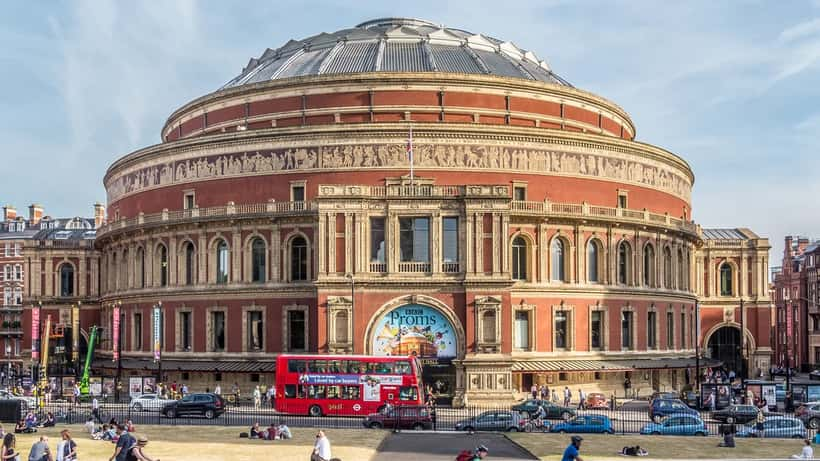
On 15 June 2026, the House of Commons voted 37 to 24 against reviving the Royal Albert Hall's private member's bill — a three-year attempt to curb the practice of seat-holders selling tickets for profit. The defeat leaves one of the UK's most iconic venues operating under rules critics say favour insider shareholders over fans, and it arrives precisely when the government is separately drafting a Ticket Tout Ban Bill that has yet to reach the statute book.
For the 900-plus permanent seat-holders who own boxes and stalls seats under arrangements dating to the Hall's founding in 1871, the status quo continues. For ordinary concert-goers, the consequence is more immediate: the majority of sold-out Royal Albert Hall shows will be bought through secondary platforms, and the legal protections for those purchases are more limited — and more conditional — than most buyers realise.
Why the Failed Bill Changed the Stakes
The Royal Albert Hall operates as a charity, but approximately 900 of its 5,272 seats are held privately. These seat-holders sit on the Hall's governing council, which critics say creates a conflict: the very people voting on which concerts to schedule stand to benefit financially from selling their seats at a premium.
The private member's bill sought to amend the Hall's Royal Charter to give management more control over resale transactions. Without it, the charity warned it could lose up to £1.8 million in revenue and might be forced to reduce the number of full-capacity performances available each season. Labour MP Emily Thornberry, who led the opposition to the revival, argued the bill failed to address the conflict-of-interest issue at all. Conservative MP John Whittingdale backed it; the government took a neutral stance.
The defeat matters to consumers because it confirms the Hall's resale ecosystem will remain in private hands for the foreseeable future. If you want a seat for a sold-out event, your most likely route is a third-party resale platform — and that is where consumer law gets complicated.
What the Consumer Rights Act 2015 Actually Requires
Secondary ticketing platforms operating in the UK are bound by Section 90 of the Consumer Rights Act 2015, which requires them to disclose four pieces of information before you are bound by the contract:
- The face value of the original ticket as set by the primary seller
- The seat number, row, and block (where an assigned seat is involved)
- Any restrictions on the ticket — including transfer limitations or identity checks at the door
- The commercial or private status of the seller — whether you are buying from a professional tout or a private individual
These are not optional disclosures. A platform that presents a resale ticket without this information has failed a statutory duty, which can give the buyer grounds to unwind the contract entirely — even after the event has passed, if the non-disclosure was material to the decision to buy.
The practical significance is considerable. When a seat-holder lists a £45 face-value Royal Albert Hall ticket at £180 on a resale platform, you should see "Face value: £45" before you confirm payment. If you do not, the platform has breached its CRA 2015 obligation. That breach is your legal lever if things go wrong.
A Consumer Solicitor's Assessment
For consumer lawyers, the June 2026 parliamentary vote shifts the policy background without altering the individual buyer's immediate options. The safest purchase route remains the Box Office directly. The second-safest is a platform registered with the Society of Ticket Agents and Retailers (STAR), whose voluntary code requires full face-value refunds when events are cancelled or materially changed.
Several of the largest secondary platforms — including some that list Royal Albert Hall seats regularly — have not signed up to STAR. Their terms may limit cancellation refunds to the disclosed face value only, not the resale premium. A buyer who paid £360 for two seats may discover their "refund" amounts to £90 when the event falls through.
The government's May 2026 King's Speech announced a Ticket Tout Ban Bill in draft for public consultation, with additional Sporting Events Bill legislation to follow. Until any of that is enacted, the CRA 2015 and the Consumer Credit Act 1974 remain the two main statutory instruments available to aggrieved buyers.
See also our earlier analysis of what happened when Ticketmaster faced the CMA investigation in 2026 for a broader picture of the regulatory landscape.
Concrete Scenario: When a Resale Seat Goes Wrong
Consider Sarah, a 41-year-old nurse from Hackney who decides to treat herself and a colleague to a charity gala at the Royal Albert Hall in December 2026. The event is sold out at the primary Box Office, so she buys two stalls seats through a resale platform for £190 each — a total of £380, paid by credit card.
Three weeks before the event, the headline act withdraws due to illness and the charity announces cancellation. The platform emails Sarah to say her order qualifies for a refund of "face value per ticket." She checks the original listing confirmation: the face value was listed as £47.50 per seat.
If the platform disclosed face value clearly at checkout: Sarah's refund is £95 (2 × £47.50). She voluntarily agreed to pay a £285 premium for the resale right, and the Consumer Rights Act does not entitle her to recover that premium from the platform. Her recourse against the seat-holder directly would require a separate claim — expensive and uncertain.
If the platform did not disclose face value at checkout (or buried it after payment): Sarah can argue that the contract was formed without the information required by Section 90 of the CRA 2015. She can demand full rescission — meaning the entire £380 is refundable. If the platform refuses, she has two further routes: first, a Section 75 claim under the Consumer Credit Act 1974 against her credit card provider, which is jointly and severally liable for breaches of contract on purchases between £100 and £30,000; second, a chargeback request through Visa or Mastercard if Section 75 does not apply.
The difference between these two outcomes is £285 — a sum that justifies a one-hour consultation with a consumer solicitor before accepting any partial offer.
Card Protections That Run in Parallel
Section 75 of the Consumer Credit Act 1974 is often misunderstood as applying only to faulty goods. It applies equally to any breach of contract or misrepresentation by a seller, which includes failure to deliver a service (a cancelled event) and failure to disclose required information before purchase.
The protection applies to credit card purchases where the cash price of the goods or services falls between £100 and £30,000. For a £380 ticket purchase, it applies in full. The credit card provider is jointly liable — you can claim from them even if the platform is unresponsive or has gone into administration.
For debit card purchases, the voluntary Visa/Mastercard chargeback scheme provides similar but non-statutory relief. You have up to 120 days from the transaction date to raise a chargeback, and the grounds can include non-delivery of service. Keep every purchase receipt and cancellation email.
For further reading on how these protections played out at another major venue, see our coverage of Wembley 2026 concert ticket rights and consumer law refunds.
Steps to Take Before Buying — and After a Cancellation
Before you buy:
- Screenshot the listing page showing the face value, seat number, and any restrictions before you click confirm
- Check whether the platform is a STAR member (listed at the STAR website)
- Use a credit card, not a debit card, to preserve Section 75 rights
If your event is cancelled and you receive a partial refund offer:
- Do not accept immediately — you have 30 days under the CRA 2015 to reject an inadequate remedy and request a full refund or rescission
- Gather evidence of what the platform disclosed (or failed to disclose) at the time of purchase
- Contact your credit card provider to note a potential Section 75 claim before the 30-day window closes
When the refund gap exceeds £150, or when a platform is disputing liability, a consumer solicitor on Expert Zoom can assess your position in a single session and help you structure a formal letter of claim — which often prompts settlement without the need for court proceedings.
This article provides general legal information and does not constitute legal advice. Consumer rights can vary depending on the specific facts of your situation. For advice tailored to your circumstances, consult a qualified consumer solicitor.
