 Rebecca Taylor
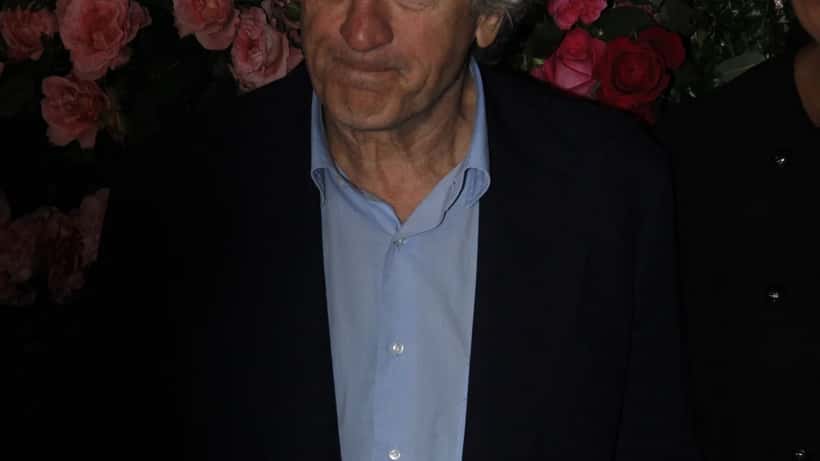
Robert De Niro, 82, is back on screen in 2026 with Focker In-Law, reprising his iconic role alongside Ben Stiller while the cameras roll and the world watches. The legendary actor shows no sign of slowing down — but recent public appearances have drawn attention to his physical frailty, prompting questions that millions of UK families face every day: how do you stay mentally sharp and physically active in your eighties, and when should you seek specialist advice?
De Niro at 82: Remarkable or Exceptional?
Born on 17 August 1943, Robert De Niro has been working continuously in film and television for over five decades. As of March 2026, he remains one of the most recognisable actors in the world. Yet photographs taken during a New York outing in late 2025 showed him appearing noticeably frailer than in previous years — a reality that sparked a wider conversation about cognitive and physical health in the very elderly.
His situation is not unusual. In the United Kingdom, around 11.9 million people are aged 65 or over (ONS, 2024), and this figure is projected to rise to 14 million by 2030. Of those over 80, approximately one in five lives with some form of cognitive decline, according to Alzheimer's Research UK. Yet many in their eighties — like De Niro — continue to work, engage with the world, and live fulfilling lives.
The Science of Staying Sharp in Later Life
Research consistently shows that cognitive decline is not inevitable, and that certain lifestyle factors significantly affect how the brain ages.
A landmark study published in The Lancet (2024), drawing on data from more than 45,000 adults across 14 countries, identified 14 modifiable risk factors for dementia. Among the most significant: social isolation, hearing loss, and physical inactivity. De Niro's continued professional engagement — the mental stimulation of learning scripts, the social interaction of a film set — aligns with exactly what geriatric specialists recommend.
"Use it or lose it" is not merely a cliché. Neuroplasticity — the brain's ability to form new connections — persists well into old age when sufficiently stimulated. Activities that challenge the brain (learning new skills, maintaining social relationships, creative work) have been shown to reduce dementia risk by up to 30%.
What Families Should Watch For
While De Niro's situation is a public spectacle, the reality of managing the health of an elderly parent or grandparent is deeply private for millions of UK families. There are key signs that prompt a visit to a specialist:
Memory changes to take seriously:
- Frequently repeating the same question within a short period
- Getting lost in familiar places
- Difficulty managing finances or medications independently
- Noticeable personality changes, particularly increased anxiety or withdrawal
These may be early signs of dementia, vascular cognitive impairment, or other treatable conditions. Early diagnosis is crucial — some forms of cognitive decline, particularly those related to thyroid dysfunction, vitamin B12 deficiency, or sleep apnoea, are reversible with treatment.
Physical frailty signals:
- Unsteady gait or unexplained falls
- Unintended weight loss over several months
- Increasing fatigue that disrupts daily activity
The Role of a Geriatrician
In the UK, a geriatrician is the hospital specialist who focuses on the health of older adults, typically those over 65 with complex, multiple conditions. A referral from a GP is usually required, but GP consultations themselves can be the first step.
A geriatrician can carry out a comprehensive geriatric assessment (CGA) — a structured evaluation of physical, cognitive, and social functioning. The CGA has strong evidence behind it: a 2023 Cochrane Review found that patients who received a full assessment were 25% less likely to require residential care within 12 months compared to those receiving standard care.
For cognitive concerns specifically, a neurologist may be more appropriate — particularly where there are concerns about Parkinson's disease, epilepsy, or early-onset dementia.
Expert Zoom provides quick online access to geriatric specialists and neurologists based in the UK. If you have concerns about an elderly relative's memory, cognition, or physical health, an initial online consultation can help you understand the next steps without a long NHS wait.
An Active Mind, a Longer Life
Robert De Niro's career longevity may be a Hollywood story, but the medical principles behind it are universally applicable. The evidence is clear: staying engaged, maintaining social connections, and seeking medical advice promptly when concerns arise are among the most powerful tools available to anyone navigating later life — whether on a film set or in a living room in Birmingham.
The UK's ageing population faces real challenges in accessing timely specialist care. NHS waiting lists for geriatric assessments can stretch beyond three months in some regions. Online specialist consultations offer a practical bridge — allowing patients and families to get expert guidance quickly, understand what to expect from formal investigations, and prepare informed questions before any GP or hospital appointment.
Disclaimer: This article is for informational purposes only and does not constitute medical advice. Please consult a qualified healthcare professional for any concerns about your health or that of a family member.
