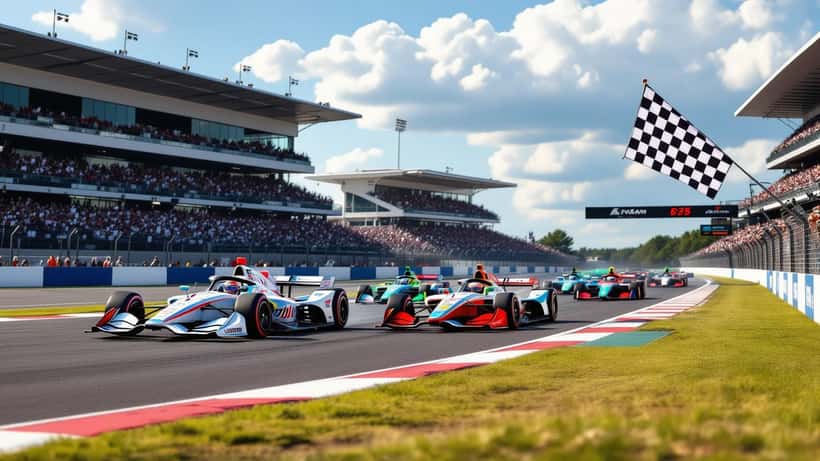
The 2026 motorsport season is unfolding at full throttle, and keeping up with racing results has become more than a Sunday pastime. From Formula 1 grids to grassroots track days, every race weekend produces a flood of data, driver ratings, and technical incidents that casual viewers struggle to decode. That is exactly where expert analysis enters the picture. Interpreting racing results today means understanding tyre strategy, weather windows, power-unit limits, and regulatory tweaks that can flip a podium in the final laps. For fans and enthusiasts who want to move beyond the headline finishers, consulting a specialist can turn raw results into actionable insight.
Motorsport journalism has long reported who won and who retired, but the story behind the timing sheets is where the real value lies. A qualifying session, for example, is rarely just about the fastest lap. Track evolution, tow effects, tyre-pressure windows, and even fuel loads can explain why a driver suddenly jumps three places. Expert analysts spend years learning how to read these signals, and their interpretations help fans understand whether a result reflects genuine pace, strategic gambling, or plain luck. As the calendar rolls through 2026, demand for that deeper reading is only increasing.
The rise of data-rich broadcasts and real-time telemetry apps has changed expectations. Viewers now expect every overtake to come with context, every safety car to be explained, and every retirement to be traced back to a cause. Yet the sheer volume of information can feel overwhelming. This is why many fans now seek out specialist opinions through expert consultation platforms. Instead of scrolling through conflicting forum threads, they can ask a motorsport analyst directly about the implications of a particular result. Whether the question concerns a driver's championship chances or the legality of a controversial wing, an expert answer cuts through the noise.
One of the clearest examples in 2026 has been the early rounds of the Formula 1 season. Grids have tightened, engine rules have shifted, and new aerodynamic packages have produced unexpected competitive orders. A headline that simply states "Red Bull leads qualifying" misses the strategic nuance that analysts spot immediately: softer compounds sacrificed race-start longevity, a tow from a teammate altered slipstream advantage, or a marginal track-limits call changed the front-row order. For anyone studying the sport, those details matter far more than the raw positions. You can find a similar deep dive into grid dynamics in our earlier look at F1 Qualifying Results 2026: What the Grid Tells Us, which breaks down how Saturday sessions set the stage for Sunday drama.
Racing results also carry implications beyond the podium. Championship points, constructor budgets, sponsor confidence, and driver market value all swing on outcomes that may look minor to the untrained eye. A seventh-place finish in a midfield car can be a career-saving result for a driver fighting for a contract renewal. A retirement caused by a recurring gearbox issue can signal a design flaw that haunts a team for months. Industry professionals use these signals to make decisions, and they often rely on specialised consultants to validate their reading of the data.
The same logic applies to other racing disciplines. Touring-car championships, endurance races such as Le Mans, and single-seater feeder series all generate complex result sets that reward expert interpretation. In endurance racing, for instance, the final classification is shaped by balance-of-performance adjustments, driver-change timing, and multi-class traffic. A fan who only checks the winner misses the operational chess match that decided the race. Analysts who have worked inside teams can explain why a particular stint length or pit strategy paid off, and that insight is increasingly valuable to collectors, journalists, and amateur competitors alike.
The marketplace for expert knowledge has grown alongside this appetite for depth. Platforms that connect users with verified specialists make it possible to book a short consultation with someone who has lived inside the paddock. Instead of relying on generic summaries, fans can request a personalised briefing on a race that interests them. The result is a more educated audience and a stronger connection between the sport and its supporters. It also creates new income streams for retired engineers, drivers, and journalists whose experience might otherwise go untapped.
Looking ahead through the 2026 season, several trends are likely to keep racing results in the spotlight. Regulatory changes in Formula 1 continue to shuffle the competitive order, while new powertrain formulas in endurance racing are attracting fresh manufacturer interest. Simultaneously, grassroots and club racing are enjoying a post-pandemic boom, producing local heroes whose results deserve wider attention. Each of these layers adds complexity to the motorsport narrative, and each creates opportunities for expert commentary.
For website owners, publishers, and content creators, covering racing results responsibly means resisting the temptation to chase viral headlines. The most durable content explains the "why" behind the result. That requires either deep in-house expertise or access to external specialists who can supply it. A short consultation before publishing can prevent factual errors, add original angles, and satisfy readers who are tired of recycled press releases. In an environment where search engines reward expertise and authority, that extra effort pays dividends.
From a practical standpoint, anyone writing about racing results should consider a few principles. First, distinguish between official timing data and interpretation. Data is objective; analysis is where expertise lives. Second, cite the specific regulations or technical factors that influenced the outcome. Vague claims about "luck" or "momentum" rarely satisfy knowledgeable readers. Third, update content as the season evolves. A race review written in March may need refreshed context after the summer break. Finally, link to reputable sources and, where possible, to specialist commentary that adds credibility.
Fans also benefit from learning how to read results themselves. Understanding sector times, tyre degradation curves, and pit-stop deltas transforms viewing from passive entertainment into active analysis. Many enthusiasts start by following a single team or driver, then gradually expand their frame of reference until they can interpret a full race weekend. Expert guidance can accelerate that learning curve dramatically. A one-hour session with a former race engineer can explain concepts that take months to absorb from forums and broadcasts alone.
The commercial side of motorsport is equally affected by results. Sponsors want to know whether their investment is reaching the right audience, and strong race results are only part of the answer. They also care about narrative, driver marketability, and media coverage. Consultants who understand both the sporting and business dimensions can help brands make smarter partnership decisions. In that sense, racing results are not merely sporting outcomes; they are data points in a broader commercial ecosystem.
As 2026 progresses, expect to see more hybrid content models that combine automated result feeds with human expert analysis. The feed gives speed; the analyst gives meaning. Platforms that successfully blend these two elements will attract loyal audiences. For individual fans, the message is simple: the next time you check the race results, ask what story they really tell. If the answer is unclear, an expert is usually only a consultation away.
